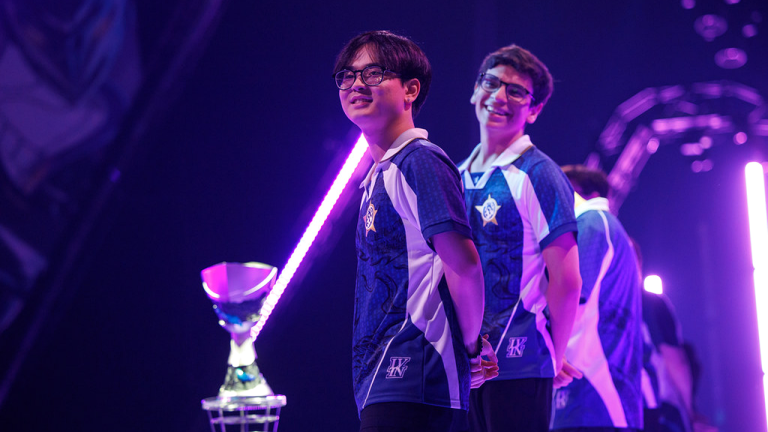
EDward Gaming’s strongest weapon in London may be patience. The team do not need every round to explode immediately; their danger comes from forcing opponents to sit in discomfort until one small gap becomes the whole round.
Patience as a win condition
The upper-final pressure changes the value of slow rounds. A patient default is no longer only about gathering information. It is about making an aggressive opponent reveal which part of the map it cannot hold without help.
EDward Gaming can turn that into a serious advantage if they keep utility disciplined. Every delayed flash, saved smoke and late recon tool gives them another chance to punish a rotation or isolate a player who has been waiting too long.
The danger is that patience can slide into hesitation. London will not reward a team that simply waits for mistakes. EDward Gaming need slow rounds that still contain a clear final decision: where the hit goes, who holds the late flank and how the post-plant is protected.
| Area | Detail |
|---|---|
| Main pressure | late-round control and forcing one extra defensive decision |
| Best route | hold utility long enough to punish rotations instead of trading it early |
| Danger area | letting slow defaults become passive and giving up map control for free |
| Next check | whether EDward Gaming can finish late rounds without rushed final seconds |
Where the upper-final edge appears
The upper side of the bracket gives EDward Gaming a particular kind of leverage. A patient team can make the opponent think about future rounds as much as the current one. If one late split works, the defender starts guarding against it before it has even returned.
That is how a tactical weapon grows through a series. The first slow round creates a memory. The second slow round uses that memory to sell a fake, delay a rotate or make the same defender doubt a normal angle.
EDward Gaming need that pattern to remain clean. If their early map control is too light, opponents can take space and remove the waiting game. If the defaults are too obvious, a prepared side can stack the right lane and turn patience against them.
The match detail to watch
The most useful signal will be how many rounds EDward Gaming reach with utility still available after the first contact. If they are entering late sites with tools in hand, their patience is working. If they are arriving with only dry fights left, the round has already been damaged.
That difference can decide the series. London is now about teams that can protect their identity under pressure, and EDward Gaming’s identity is strongest when the final twenty seconds belong to them rather than to panic.
The economy side of patience
Patience also changes the economy battle. A slow round that ends with two surviving players can be more valuable than a chaotic win with everyone dead, because the next buy decides how much freedom the team has with utility.

EDward Gaming should be judged by those small endings. If they win rounds while keeping rifles, they can keep pressure across the next two rounds. If every win empties the bank, the opponent gets more chances to break the rhythm with a force buy.
The upper-final setting makes that even more important. A team that controls money can choose when to pressure and when to wait. A team that is constantly rebuilding has to accept weaker utility and more uncomfortable duels.
How opponents can attack it
The clearest counter is early disruption. Opponents will try to take space before EDward Gaming finish the read, especially in areas where a single aggressive push can remove a late split from the playbook.
That is where EDward Gaming need strong anti-push rules. A slow default is only safe if the back line is protected. If an opponent can walk through a smoke or flank for free, patience turns into vulnerability.
The second counter is timeout timing. If opponents identify the slow rhythm early, they can use a pause to change the opening duel pattern and make EDward Gaming spend more utility just to reach the same map state.
EDward Gaming’s answer has to be layered. They need one round where they wait, one round where they punish the anti-wait, and one round where they attack quickly because the opponent has overcorrected. That triangle is what makes patience dangerous rather than predictable.
If they show all three, the upper final becomes a test of nerve. The opponent will know a late hit is possible, but it will not know whether the late hit is the real plan or the bait for a faster change.