Paper Rex’s London route is built around the one thing opponents rarely enjoy facing: immediate pressure. When Paper Rex begin a map quickly, the opening rounds do not only add money and score; they force the other side to make defensive choices before it has settled into the series.
Why the first six rounds matter
The title path for Paper Rex depends on how early they can make the match feel uncomfortable. A fast pistol conversion gives them the right to test aggression, change the pace and make the opponent spend utility before the real hit arrives.
That is why the first six rounds carry more weight than the scoreboard suggests. If Paper Rex reach the first gun rounds with money, space and confidence, their mid-round calling becomes harder to read. If they start slowly, the same style can look rushed and easier to punish.
London has reached the point where every remaining team has enough footage to prepare clear counters. Paper Rex cannot rely only on surprise; they need to make their pressure look different from map to map.
| Area | Detail |
|---|---|
| Main pressure | opening duels, pistol conversions and early economy control |
| Best route | force the opponent to defend wider areas before the first timeout |
| Danger area | repeating the same fast lane after the opponent has adjusted |
| Next check | whether Paper Rex can keep the first gun round from becoming predictable |
How Paper Rex can keep control
The clean version of a Paper Rex map starts with layered pressure. One player challenges for early information, another holds the late punish and the rest of the team keeps enough utility to restart the round if the first fight does not land.
That matters because Paper Rex are at their best when speed is not the same thing as impatience. A quick hit can open the map, but the championship-level version is the round where they slow down after taking space and make the opponent guess twice.
The biggest risk is emotional momentum. Fast teams can turn one successful round into three smart rounds, but they can also chase a highlight after the opponent has already changed the setup. London punishes that mistake quickly because the remaining sides are too drilled to keep giving the same gap.
The bracket effect
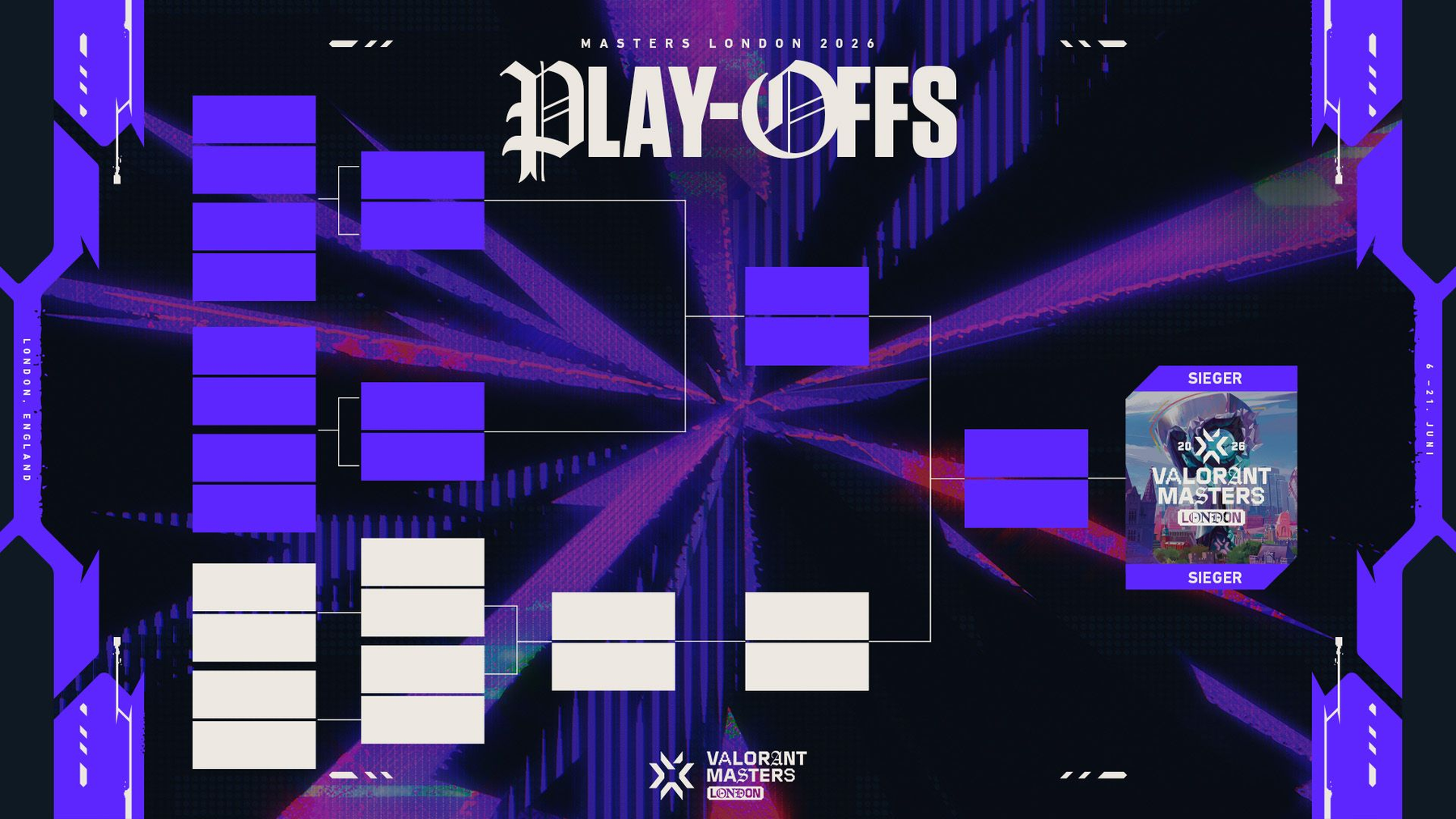
The bracket now makes every early map phase public. A strong start tells the next opponent what has to be respected; a messy start gives the next opponent a target. Paper Rex need to build a title route that looks aggressive without becoming easy to scout.
That is the real tension in this run. Their speed is not a decoration, and it is not only a fan-friendly style. It is a way to control economy, plant pressure and timeout timing. If Paper Rex win those early exchanges, the rest of the series can be played on their terms.
The next match should therefore be judged by the first defensive reactions they create. If opponents are already saving utility, rotating early or giving up space before contact, Paper Rex have probably found the tempo they need for the final stretch.
How the pace has to change by map
The key for Paper Rex is not playing every map at the same speed. On a tight map, a fast hit can break a default before defenders have enough space to trade. On a wider map, the same hit can become too easy to read if it is not protected by a late lurk.
That is where their best version usually appears: the first wave makes defenders turn, while the second wave arrives after the utility has already been used. The round feels fast to the opponent, but it is not a blind rush.
Paper Rex also need clean discipline after a won entry. A team that opens the round and then gives the advantage back through a needless second fight loses the value of its identity. The championship route demands the opposite: win space, lock the retake path and force the opponent to spend time.
The most important player detail is spacing. Fast starts only work if the second and third players are close enough to trade the first contact. If the entry dies alone, the entire style becomes much easier to slow down.
What opponents will try
Opponents will likely answer by refusing the first fight. That means deeper defensive lines, delayed utility and more retake-heavy setups. Paper Rex need to recognize those rounds early, because charging into empty space can become a trap if the site is being prepared for a full retake.
The answer is patience after the first burst. If the defense gives ground, Paper Rex can use that space to deny information and make the retake arrive through narrow lanes. If the defense stands and fights, the early trades must be sharp enough to punish it.
That is why this title route is so interesting. Paper Rex are not only trying to play faster than everyone else; they are trying to decide when speed becomes control. If they find that balance, every opponent has to prepare for two matches at once: the rush that arrives now and the pause that arrives after the rush is feared.