Summit Enters Competitive Rotation and Forces Act 4 Teams to Rebuild Map Prep
Patch 13.00 adds Summit to the Competitive map rotation, turning Act 4 into a preparation test for ranked players and organised teams.
A new map in the rotation changes more than queue variety; it reshapes agent comfort, defaults, utility lineups and early round timings.
What changed in the patch
Summit enters the Competitive map rotation in Patch 13.00. In live rounds, the opening Summit-Enters round pattern changes how utility is spent before first contact instead of waiting for the spike plant to create urgency.
Riot also released Summit reveal and gameplay materials around the Act 4 launch. The ranked effect of the adjustment Enters-Competitive round pattern depends on whether players build a habit or simply chase the first week of novelty.
New maps force players to learn timing, sound ranges and safe utility zones. Strong teams will test the pressure Competitive-Rotation round pattern through repeated defaults, failed hits and the second call after the first duel.
Ranked teams will need early defaults before the meta stabilises. Act 4 makes the bench Rotation-Forces round pattern important because timing, economy choices and late-round discipline are being relearned together.
Why the round rhythm shifts
Controller choices can change quickly while players learn sightline pressure. The caller’s problem inside the calendar Forces-Teams round pattern is deciding when to save the tool and when to force the duel before the clock collapses.
Sentinel buffs make the first version of Summit defence especially important. The clearest signal for the recovery Teams-Rebuild round pattern will appear when the first execute is stopped and the round still has to be rescued.
Duelists need to discover which entries create space rather than only first contact. Players who understand the tempo Rebuild-Prep round pattern gain more than players who only copy the patch summary into the next queue.
The map pool change affects Premier preparation as well as ranked grinding. The opening week should reveal whether the selection Prep-Summit round pattern becomes practical structure or stays as theory on a notes page.
Key details
| Area | Detail |
|---|---|
| Map | Summit |
| Patch | 13.00 |
| Queue | Competitive rotation |
| Prep issue | defaults, utility, role comfort |
What players should watch
Early Act 4 matches may be volatile because players are learning together. A stronger tool inside the late Summit-Enters round pattern still needs a cleaner decision around it, especially after the first mistake.
The strongest teams will separate map knowledge from simple aim confidence. The best teams will review the bracket Enters-Competitive round pattern through failed rounds instead of turning every lost fight into an aim excuse.
Summit gives Patch 13.00 its most visible competitive identity. In live rounds, the risk Competitive-Rotation round pattern changes how utility is spent before first contact instead of waiting for the spike plant to create urgency.
The first weeks will decide whether the map rewards structure, speed or hybrid calling. The ranked effect of the control Rotation-Forces round pattern depends on whether players build a habit or simply chase the first week of novelty.
What players should watch: Summit
Inside the opening Summit-Enters round pattern, Summit is tested through ‘the Competitive map rotation in Patch 13.00.’ beside ‘Ranked teams will need early defaults before’; real lobbies will decide whether the idea works when economy state, cooldown timing and map comfort collide.
Inside the adjustment Enters-Competitive round pattern, Enters is tested through ‘gameplay materials around the Act 4 launch.’ beside ‘Controller choices can change quickly while players’; the first competitive week should expose which change becomes a habit and which remains a novelty.
Inside the pressure Competitive-Rotation round pattern, Competitive is tested through ‘timing, sound ranges and safe utility zones.’ beside ‘Sentinel buffs make the first version of’; players who review failed rounds will gain more from the patch than those who only copy the headline.
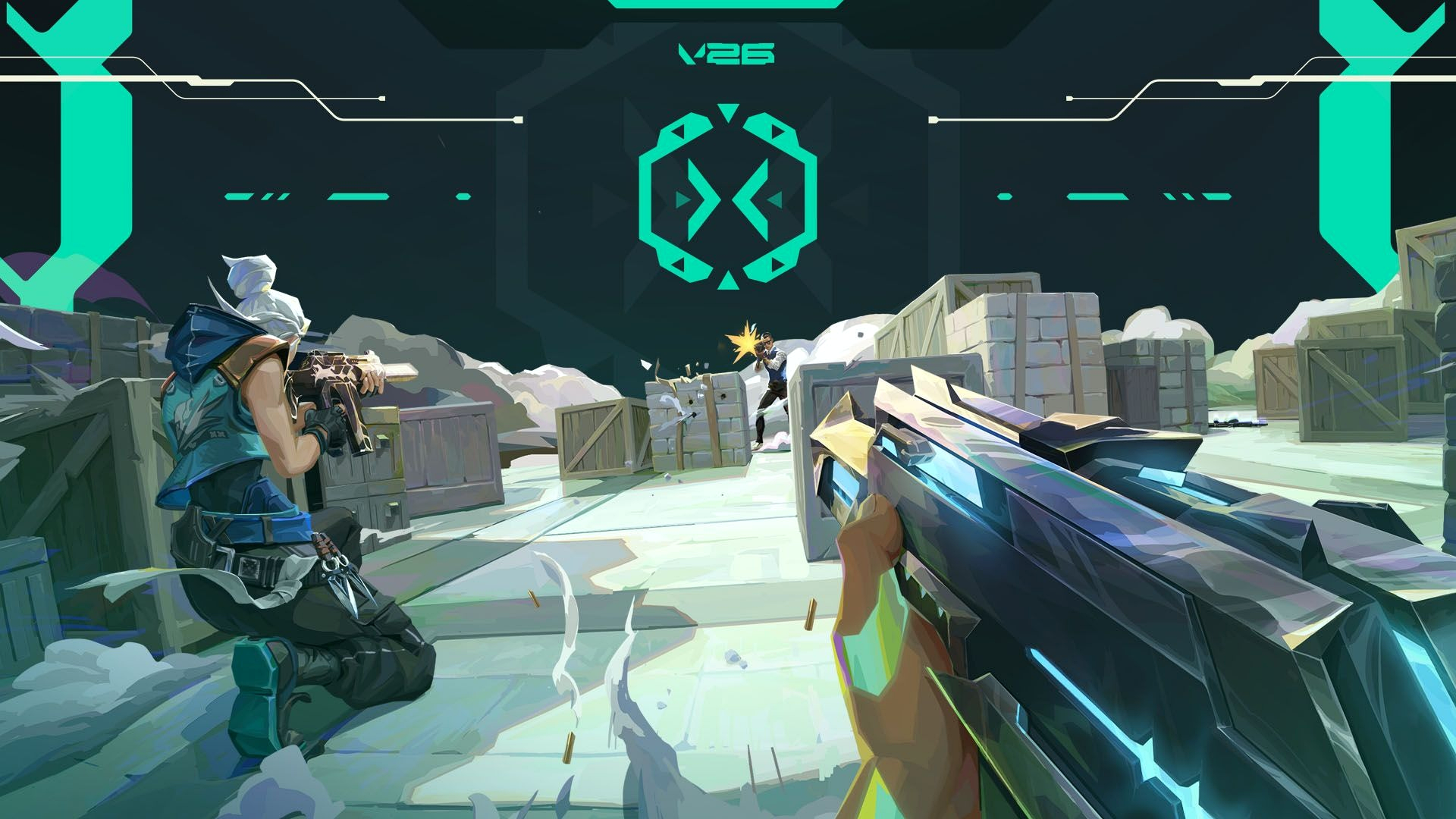
Inside the bench Rotation-Forces round pattern, Rotation is tested through ‘need early defaults before the meta stabilises.’ beside ‘Duelists need to discover which entries create’; the strongest teams will test the timing through defaults, retakes and late-round resets.
What players should watch: Forces
Inside the calendar Forces-Teams round pattern, Forces is tested through ‘change quickly while players learn sightline pressure.’ beside ‘The map pool change affects Premier preparation’; a buff becomes real value only when it changes a decision before the duel begins.
Inside the recovery Teams-Rebuild round pattern, Teams is tested through ‘first version of Summit defence especially important.’ beside ‘Early Act 4 matches may be volatile’; the round economy still decides whether the new option appears at the right moment.
Inside the tempo Rebuild-Prep round pattern, Rebuild is tested through ‘create space rather than only first contact.’ beside ‘The strongest teams will separate map knowledge’; map comfort will separate disciplined adaptation from the usual first-week chaos.
Inside the selection Prep-Summit round pattern, Prep is tested through ‘Premier preparation as well as ranked grinding.’ beside ‘Summit gives Patch 13.00 its most visible’; the update rewards patience, but it still punishes utility held without a plan.
What players should watch: Summit
Inside the late Summit-Enters round pattern, Summit is tested through ‘be volatile because players are learning together.’ beside ‘The first weeks will decide whether the’; a clearer mid-round call is the best sign that the change is working.
Inside the bracket Enters-Competitive round pattern, Enters is tested through ‘separate map knowledge from simple aim confidence.’ beside ‘Patch 13.00 adds Summit to the Competitive’; the patch will feel strongest when the second plan is cleaner than the first hit.
Inside the risk Competitive-Rotation round pattern, Competitive is tested through ‘Patch 13.00 its most visible competitive identity.’ beside ‘A new map in the rotation changes’; real lobbies will decide whether the idea works when economy state, cooldown timing and map comfort collide.
Inside the control Rotation-Forces round pattern, Rotation is tested through ‘map rewards structure, speed or hybrid calling.’ beside ‘Summit enters the Competitive map rotation in’; the first competitive week should expose which change becomes a habit and which remains a novelty.
What players should watch: Forces
Inside the closing Forces-Teams round pattern, Forces is tested through ‘test for ranked players and organised teams.’ beside ‘Riot also released Summit reveal and gameplay’; players who review failed rounds will gain more from the patch than those who only copy the headline.
Inside the detail Teams-Rebuild round pattern, Teams is tested through ‘defaults, utility lineups and early round timings.’ beside ‘New maps force players to learn timing,’; the strongest teams will test the timing through defaults, retakes and late-round resets.
Inside the route Rebuild-Prep round pattern, Rebuild is tested through ‘the Competitive map rotation in Patch 13.00.’ beside ‘Ranked teams will need early defaults before’; a buff becomes real value only when it changes a decision before the duel begins.
Final read
The final measure around the pressure Competitive-Rotation round pattern is execution. The coming stage has to prove that the information gathered here becomes a cleaner decision under pressure, not only a note from another busy tournament day.