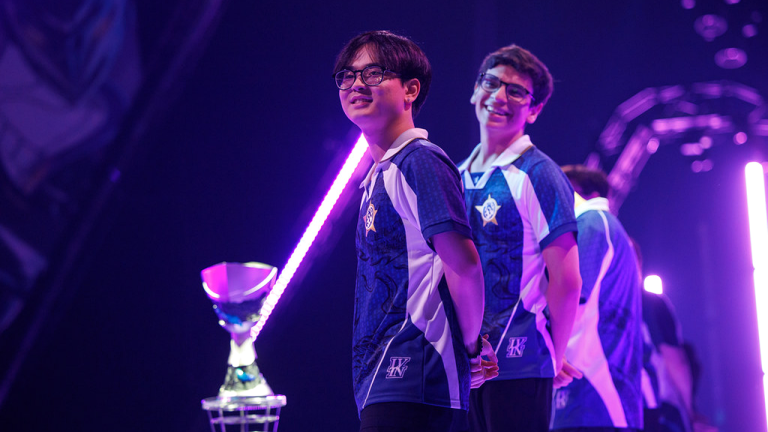
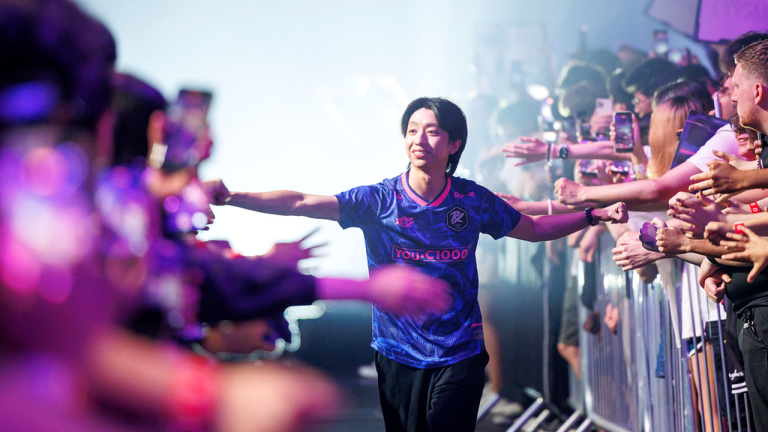
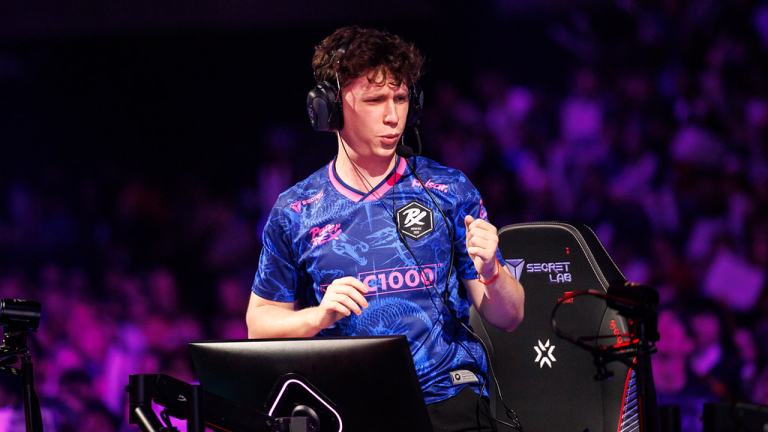
MIBR and Heretics meet in the Group D winner match at EWC. The winner gets a better bracket path and more confidence.
A winner match changes the tone
The first series of a group can be about getting comfortable. A winner match is different. MIBR and Heretics have already done enough to avoid early danger. The next test is seeding, confidence and how clearly each team can show its map pool before stronger opponents start preparing for it.
That makes the July 5 meeting valuable even before the score is known. Both teams can qualify through structure rather than chaos, but the side that wins the cleaner rounds will leave with more than a bracket advantage. It will leave with a readable style that says the opening win was not just a useful draw.
MIBR need round endings to stay calm
MIBR’s best version is more than explosive. It is the version that keeps late-round choices simple after the first duel has opened the map. Against Heretics, messy advantages can be dangerous because the European side is comfortable slowing the round and asking defenders to make the next mistake.
That means MIBR need utility discipline after first contact. A fast entry is useful only if the post-plant or retake spacing remains clean. If the Brazilian side wins the first fight and then gives Heretics isolated duels back into the round, the winner match can turn from a statement into a long correction exercise.
| Key point | Reading |
|---|---|
| Match | MIBR vs Team Heretics, EWC Group D winner match. |
| MIBR need | Turn early fights into clean late-round structure. |
| Heretics need | Change pace before MIBR settle into reads. |
| Bracket value | The winner controls both seeding pressure and public information. |
Heretics’ question is pace
Heretics have enough structure to frustrate a team that wants to decide the map early. The danger for them is playing too respectfully and letting MIBR choose every first fight. A controlled team still needs moments where it changes speed, especially against opponents who gain confidence when the map rhythm stays direct.
The most useful Heretics rounds may be the ones that look patient until they suddenly do not. Late contact, delayed pressure through mid and retakes built around layered utility can all force MIBR to keep solving new pictures. If Heretics repeat the same slow pattern too often, MIBR will start reading the round before the hit begins.
Why the result matters beyond Group D
The winner leaves with the easier emotional path, but the bigger prize is information control. A clean win can let a team hold parts of the playbook for later. A messy three-map win still qualifies, yet it gives the rest of the tournament more footage and more confidence that pressure can create errors.
This is why this match is not simply a mid-group checkpoint. MIBR and Heretics are fighting to decide who looks prepared rather than merely alive. At EWC pace, that distinction can matter by the next veto.
The veto will reveal which style survives pressure
MIBR and Heretics enter the winner match with more at stake than a clean bracket path. A best-of-three at this point often exposes whether a team can keep its preferred style when the opponent removes the most comfortable map. The veto is therefore not admin work. It is the first tactical fight.
MIBR’s path depends on whether they can create rounds where their duelists are not forced into dry first contact. Heretics will look to punish any loose spacing by turning early map control into late-round isolation. That makes utility timing more important than raw aim in the first half of each map.
For Heretics, the danger is overplaying comfort. If they assume the series will settle into their structure, MIBR can break rhythm with pace changes and fast retakes. Group matches are often won by the team that recognizes when the opponent is reading the default too easily.
The winner will carry more than qualification confidence. It will carry proof that its map pool and mid-round voice can survive a playoff-style pressure test. This is why the series reads like an style check before it reads like a standings line.
Economy discipline can decide the cleanest map
The first rifle loss after a pistol conversion may be the hidden swing. If either side lets a broken economy become two or three loose rounds, the style test will turn into a repair job. Saving the right weapons, resisting low-value retakes and protecting ult progress can be as important as the opening duel.