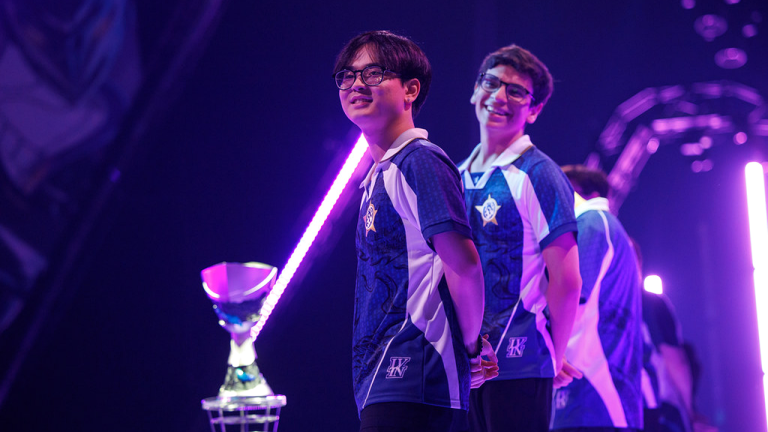
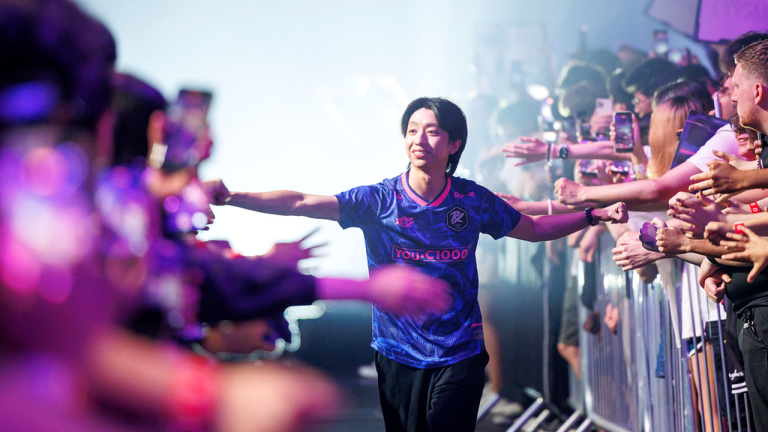
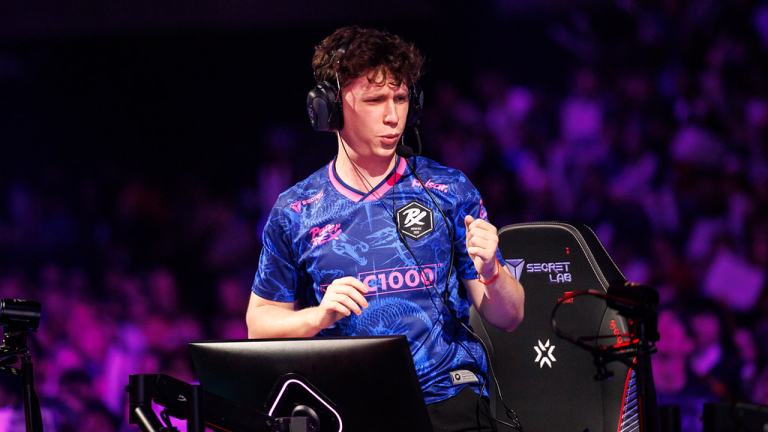
The Esports World Cup’s July 4 slate does not stop with Group A and Group B, because Group C and Group D still carry style clashes that can reshape the bracket before the playoffs are visible.
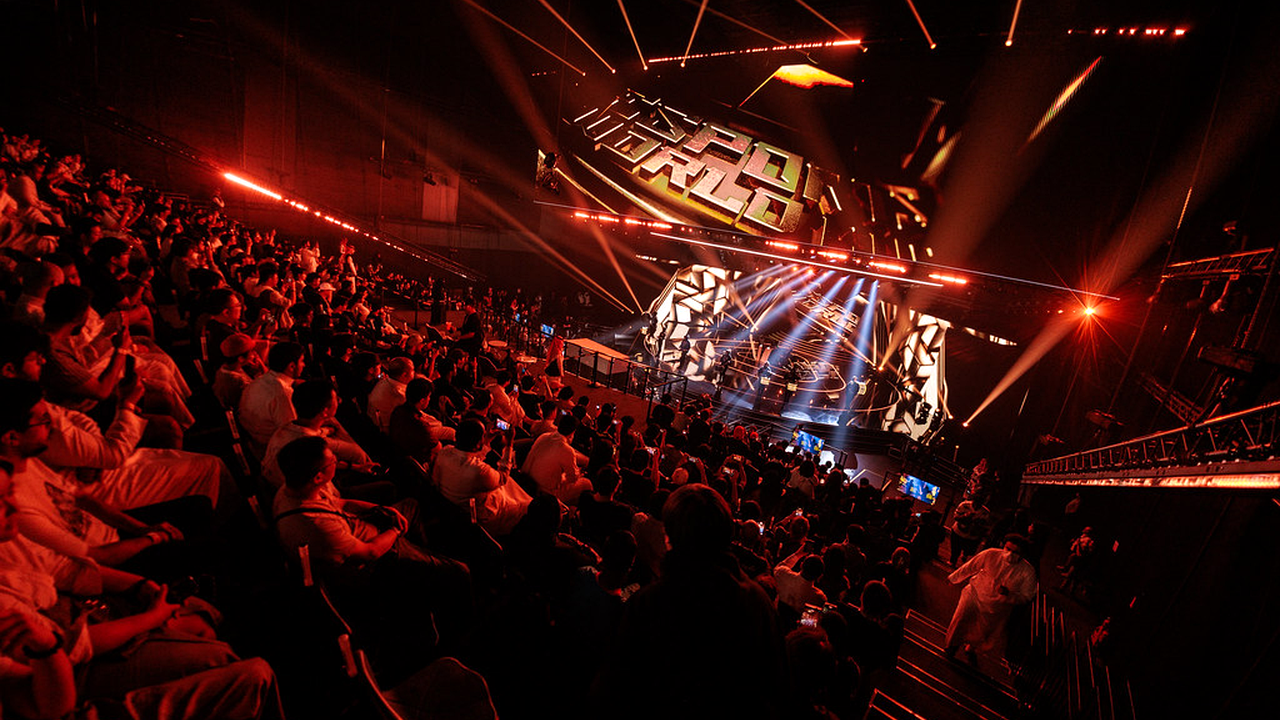
The second wave has real weight
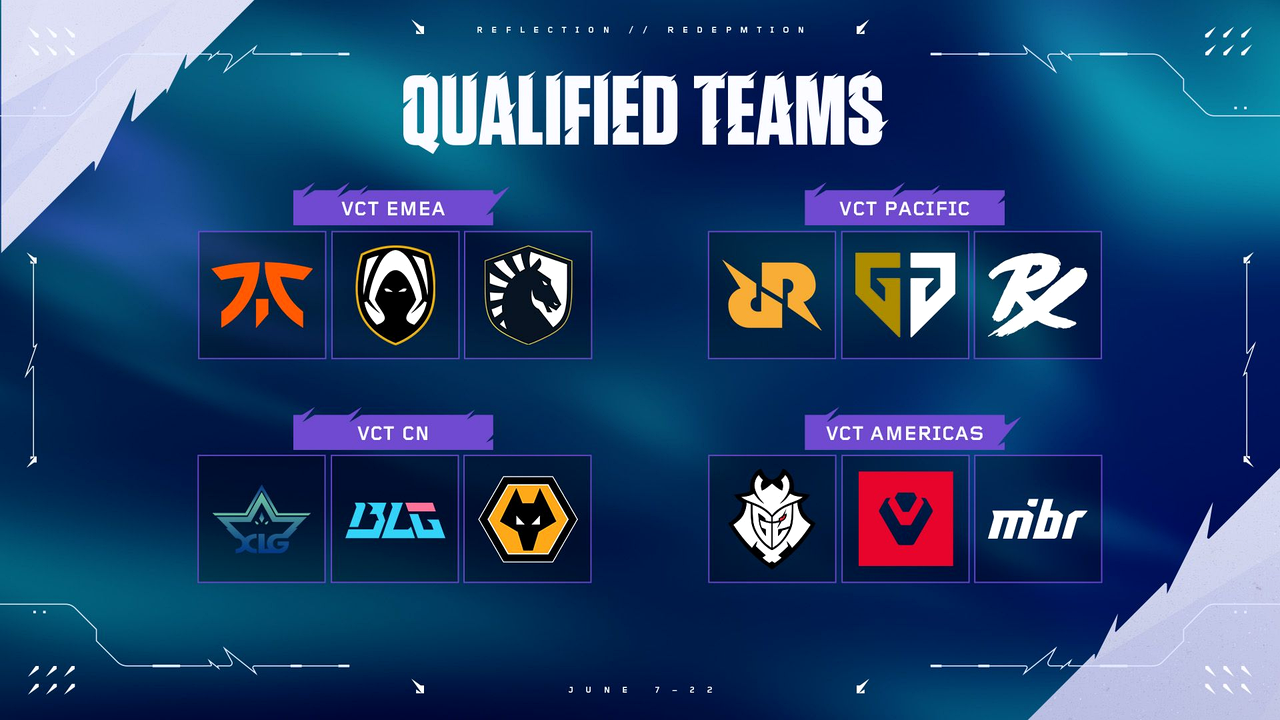
It is easy to let 100 Thieves, BBL, Vitality, NRG, Karmine Corp and Paper Rex dominate the conversation. The event is deeper than that. Group C and Group D bring their own pressure because teams such as Gentle Mates, Nongshim, Xi Lai, G2, MIBR, Heretics, Global Esports and All Gamers are not there to decorate the bracket.
The timing matters. By the time later matches arrive, the first results will have already shaped the event’s mood. Teams walking on stage after a day of upsets or sweeps have to manage that information without letting it change their own plan too much.
Style clashes are the point
Group C’s shape suggests a fight between cleaner structure and sudden mechanical pressure. Gentle Mates and Nongshim can make the map feel narrow if they control the first layer, while Xi Lai and G2 have enough danger to punish teams that over-respect default positions.
Group D has a different edge. MIBR and Heretics bring a matchup that can tilt on defensive discipline, while Global Esports and All Gamers have the kind of elimination pressure where one strong map can rewrite expectations. The event’s best days happen when those secondary matches stop feeling secondary.
| Key point | Reading |
|---|---|
| Groups | EWC Group C and Group D continue on July 4. |
| Teams to watch | Gentle Mates, Nongshim, Xi Lai, G2, MIBR, Heretics and others. |
| Main theme | Style clashes and targeted prep decide the second wave. |
| Bracket value | Clean wins here can matter more than noisy survival elsewhere. |
Preparation has to be targeted
The teams entering the second wave cannot prepare only for a general style. They need specific answers to preferred agent roles, pistol tendencies and the moments opponents like to save utility for late retakes. Broad preparation looks comfortable until the first half starts breaking in the same way round after round.
The strongest teams will show map-specific restraint. They will not overcall after one lost pistol, and they will not burn every timeout because a crowd favorite hits a highlight. Group C and Group D are where composure can create a quiet bracket advantage.
Why the bracket should watch
A team emerging cleanly from these groups may become more dangerous than a famous roster that survives a messy opener. Momentum in short events is not only about winning. It is about leaving fewer problems for the next opponent to copy.
That is the reason July 4 should be read as a full slate. The winner matches and elimination games at the top draw attention, but the bracket’s later texture may come from the teams who use Group C and Group D to look prepared before everyone else has finished repairing.
The secondary slate can produce the cleaner team
The later groups have a useful advantage: they can watch the event’s early mistakes and avoid copying them. If Group A and Group B show teams losing patience in elimination pressure, Group C and Group D can enter with a clearer reminder that fundamentals travel better than panic.
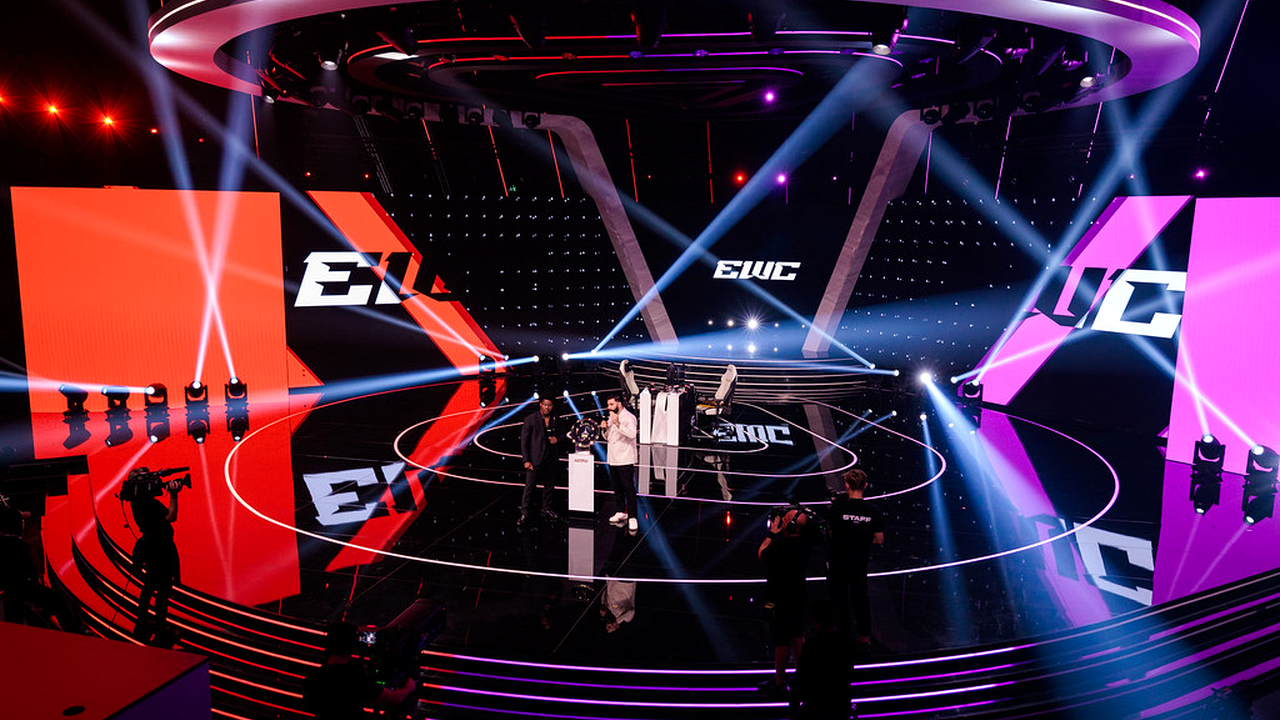
That does not make the second wave easier. In some ways it makes it harder, because opponents arrive with a full day of event rhythm and broadcast expectations already set. Teams who are not the headline act have to build urgency without trying to steal attention through forced plays.
The cleanest bracket riser may come from this part of the slate. A team that wins without exposing obvious map-pool holes can become more dangerous than a famous roster that survives loudly. Short events reward teams who leave fewer clues behind.
Depth is proven by clean second matches
A deep event is not proven only by famous teams winning. It is proven when the second wave of matches has enough quality to change the bracket’s expectations. Group C and Group D can do that if the teams arrive with clear map plans instead of treating the day as a waiting room for bigger names.
The most dangerous team from these groups may be the one that wins without drama. A quiet 2-0 can be more frightening than a famous comeback because it gives future opponents fewer obvious weaknesses to attack.
Quiet preparation can beat famous branding
That is why these groups deserve attention. A team without the biggest logo can still become the bracket’s problem if its anti-strats are cleaner, its map pool is less exposed and its first adaptation arrives before the opponent’s second timeout.