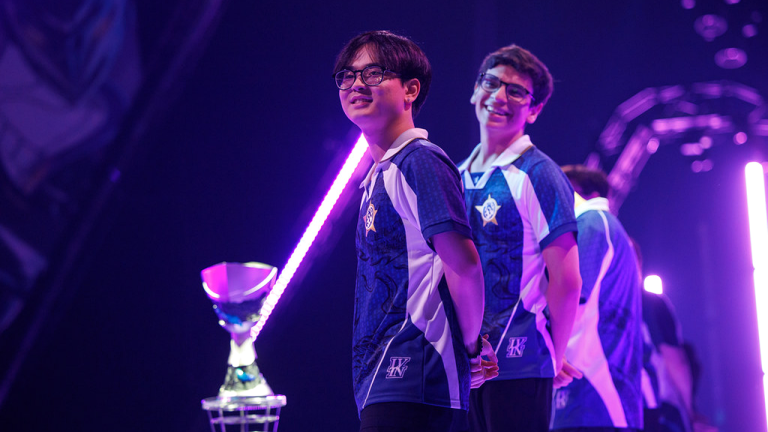
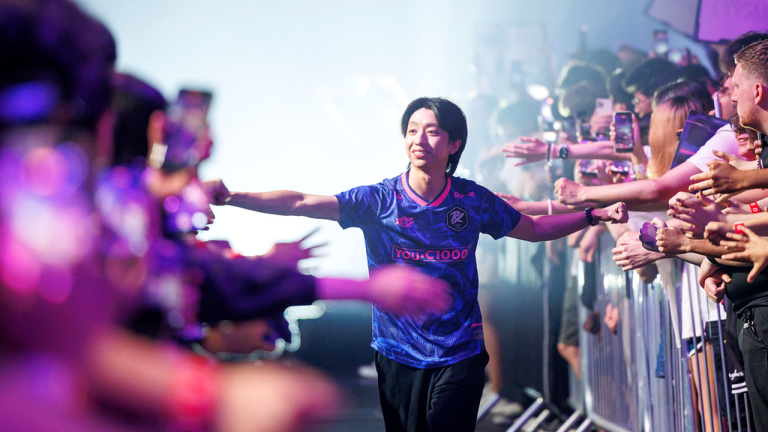
Gentle Mates and Nongshim meet in the Group C winner match. The match should show which team controls pace better.
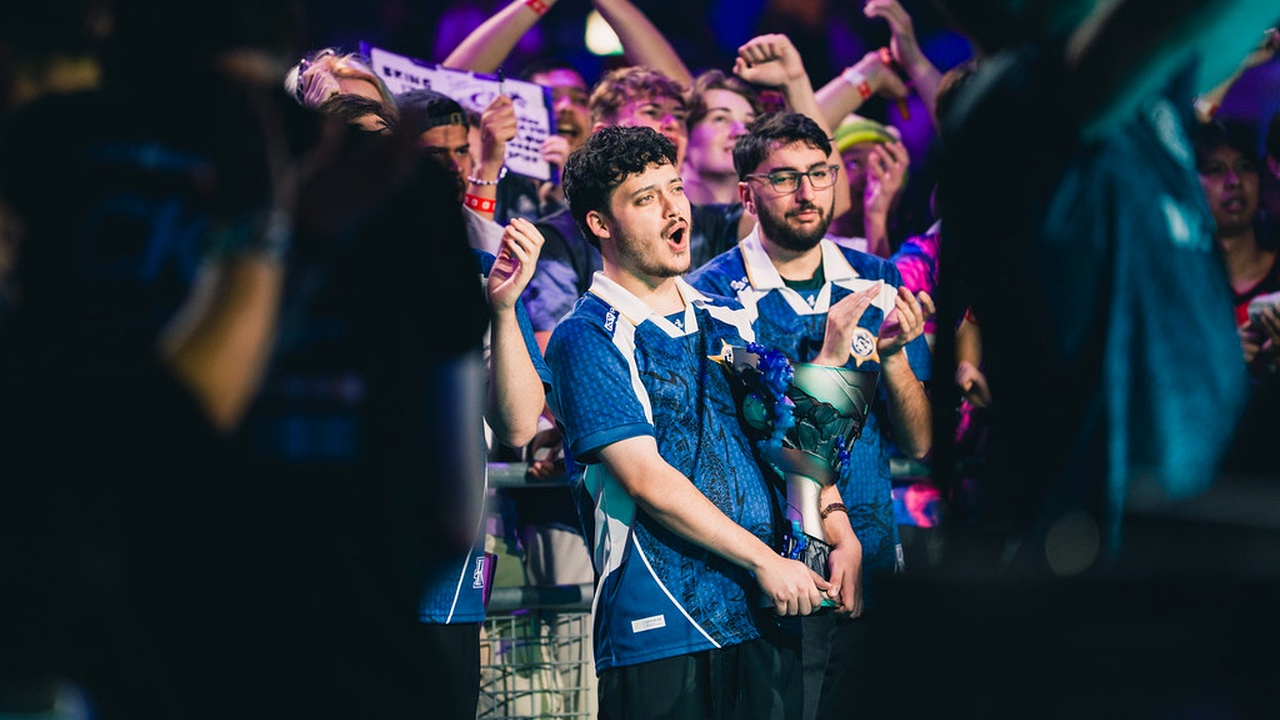
Group C gets its first real hierarchy check
Opening wins create confidence, but winner matches create hierarchy. Gentle Mates and Nongshim are more than playing for a cleaner bracket path. They are playing to decide which style other teams in Group C must prepare for first. That matters in a short event where every additional map on film carries a cost.
The most important part of this matchup is pace ownership. If Gentle Mates control the early map state, Nongshim will be forced to decide whether to challenge earlier than planned. If Nongshim slow the round and deny easy entries, Gentle Mates must prove they can build pressure without forcing the first fight.
Gentle Mates need useful early pressure
Early pressure is valuable only if it wins information or space. A loud start that burns utility and produces no control can become a trap. Gentle Mates need their first moves to put Nongshim in a decision: fight for the lane, save resources for retake or give ground and trust the site hold.
That choice is where rounds can tilt. If Nongshim are always defending with incomplete information, Gentle Mates can move the spike late and punish rotation timing. If the pressure is obvious, Nongshim can sit through it and wait for the hit to run out of ideas.
| Key point | Reading |
|---|---|
| Match | Gentle Mates vs Nongshim RedForce, EWC Group C winner match. |
| Core battle | Pace control before the final hit. |
| Gentle Mates need | Early pressure that wins information or map space. |
| Nongshim need | Patience that still threatens late-round punishment. |
Nongshim’s value is patience with teeth
Nongshim RedForce cannot simply play slow for the sake of looking disciplined. Patience has to carry a threat. Delayed pushes, late contact and retake utility must make Gentle Mates respect the whole round timer. Otherwise the European side can take early space and stop worrying about the back side of the map.
The best Nongshim rounds may look quiet until the final twenty seconds. That is when a saved flash, a late lurk or a disciplined retake can turn Gentle Mates’ pressure back on itself. The danger is waiting too long and letting the spike plant become inevitable.
The winner saves energy
A winner-match victory saves emotional and tactical energy. The team that advances from the upper path can prepare with a cleaner head, while the loser must survive a match that will expose more of its map pool. In EWC’s compressed rhythm, that is a real advantage.

This is why Group C’s pace question matters. This is not just a best-of-three between two names. It is the first strong signal about who can make opponents play at their speed. The winner will not only move forward. It will make the group react.
Pace matters
Gentle Mates and Nongshim both have enough firepower to win loud rounds, but the winner match is more likely to be decided by who controls the pace between those moments. A team that can slow the map after a fast start, or speed it up after conditioning the defence, will own the most important choices.
Gentle Mates need to avoid giving Nongshim the same first contact repeatedly. If the opening duel always happens in the same lane, Nongshim can stack utility around it and make the round feel smaller. Variation is the difference between pressure and predictability.
Nongshim’s answer should be patience after early information. It is tempting to rotate quickly when the opponent shows presence, but Gentle Mates can punish overreaction with delayed hits. Holding shape for a few extra seconds may be the difference between reading the round and handing over the site.
The winner gets playoff comfort, but the bigger value is proof of command. A team that can decide when a round becomes fast is harder to upset later in the event. That is the real prize inside Group C.
The map pool should not trap either team in one speed
A dangerous veto for this matchup is one that forces a team to play at a speed it cannot vary. Gentle Mates need maps where they can pause after early space, while Nongshim need room to turn information into pressure. If one side’s map pick only supports one rhythm, the opponent will solve it by halftime.
The better team must keep the same plan after one bad round
This match can change quickly after one lost clutch or one failed retake. The team that reacts with a clear next call will have the advantage. A bad round should not force a full change of style.
Gentle Mates and Nongshim both need to protect their economy and keep useful utility for the late round. If they spend everything too early, the final fight becomes too random. Simple spacing and patient trading can decide the close maps.