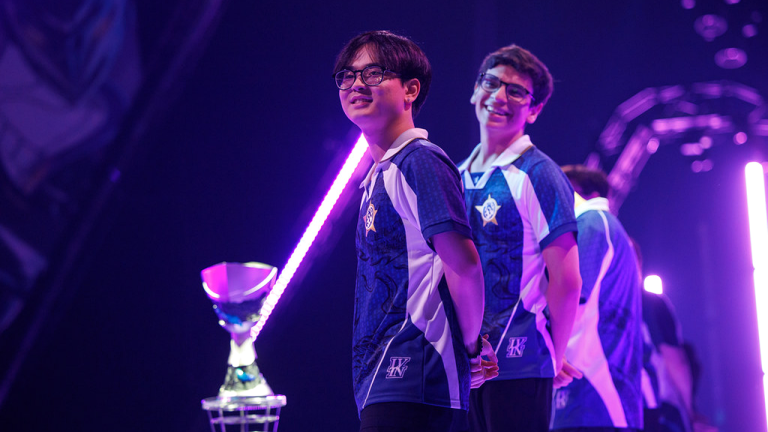
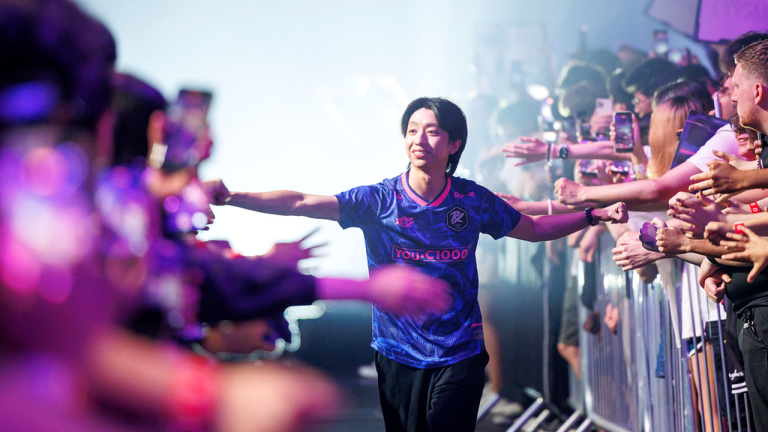
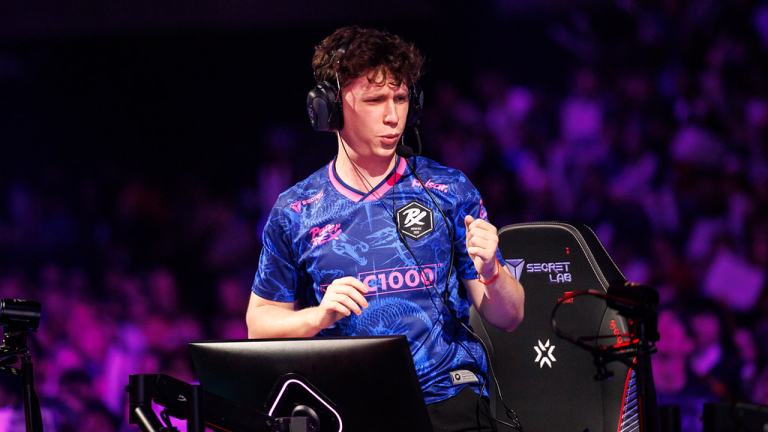
Rex Regum Qeon and EDward Gaming enter their July 4 elimination match with no room for theory, because both teams have already shown enough weakness in Group A to make the first map feel clear.
The lower match removes patience
RRQ’s loss to 100 Thieves was clean enough to force immediate changes. EDward Gaming’s defeat to BBL was more competitive, but a three-map loss still leaves the same practical result: another defeat ends the run. That turns preparation into triage. Each side has to fix the problem that actually cost them, not the one that is easiest to discuss.
For RRQ, that means stronger early-round information and cleaner contact when defaults are challenged. For EDG, the question is whether their mid-round calling can stay calm after a lost bonus or a broken deliver. Elimination matches punish teams that keep replaying yesterday’s frustration.
EDG’s structure has to lead
EDG are dangerous when their spacing lets individual mechanics arrive with timing rather than isolation. If they enter sites one by one, RRQ will have the duels they want. If EDG layer utility correctly and keep late lurks alive, RRQ may spend too much of the round turning around instead of anchoring.
BBL’s Edward Gaming win made one thing clear: EDG cannot rely on name value. The EWC field is too compressed for that. Every map needs a clear defensive identity and a better answer when the opponent slows down after early pressure.
| Key point | Reading |
|---|---|
| Match | RRQ vs EDward Gaming in the Group A elimination match. |
| RRQ issue | Need better early information after a 0-2 opener. |
| EDG issue | Need calmer conversion after losing to BBL in three maps. |
| Pressure | The loser exits the EWC VALORANT bracket. |

RRQ need sharper conversion
RRQ’s best path is to make the match messy without making themselves loose. They need first-contact confidence, but they also need the control to stop after gaining space. Over-peeking after a successful entry is exactly how elimination matches turn from recovery stories into exits.
The map pool could help if RRQ can drag EDG into a battleground where rotations are easier to read. EDG have the firepower to win straight duels, so RRQ’s value comes from making those duels arrive on their terms. A good trap round early can change the whole emotional pace.
One match, two reputations
The losing side will not just leave the event; it will leave with a clear question attached. RRQ would be asked whether their international limit has stalled under pressure. EDG would be asked why a roster with such pedigree could not close the group-stage correction chance.
That is why the first map matters not just usual. The team that starts well can turn the other side’s opener into a mental replay. The team that starts poorly must avoid chasing highlights. Group A’s lower bracket will reward the calmer repair job, not the louder one.
The loser will own a clear flaw
Lower matches create a brutal kind of clarity. RRQ and EDG do not have to solve every weakness from the opener, but the flaw that appears again will define the exit. If RRQ lose early information the same way, the review becomes simple. If EDG fail to close mid-round advantages again, the criticism will be just as direct.
EDG’s experience should help them slow the emotional tempo, but experience only matters if it changes decisions. That took cleaner fights, saving utility for actual retakes and refusing to chase low-value kills are the habits that keep an elimination match from becoming a spiral.
RRQ can win if they turn the series into a confidence problem for EDG. A strong first map, a few denied ultimates and one clean defensive half would force EDG to play under the weight of expectation. That is often where elimination brackets show more than opening matches usually show.
The first timeout will say plenty
The first tactical timeout may reveal which team has accepted its opening-day flaws. A timeout spent only calming nerves is sometimes necessary, but the better sign is a visible map correction: a changed default, a different defensive stack, or a new way to break the opponent’s first contact.
EDG’s name value gives them pressure, while RRQ’s need for a response gives them urgency. The team that uses the first timeout to simplify the match rather than dramatize it will probably look more stable in the final map if the series gets there.