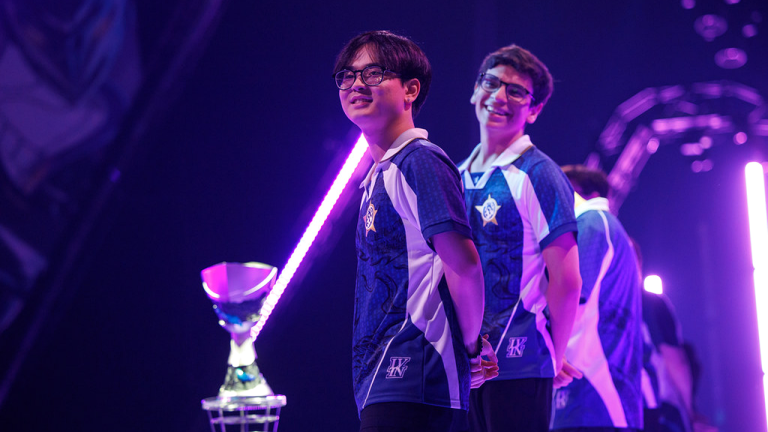
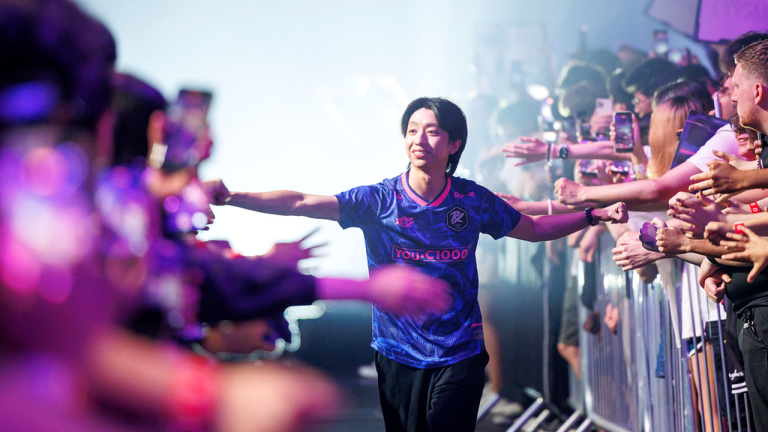
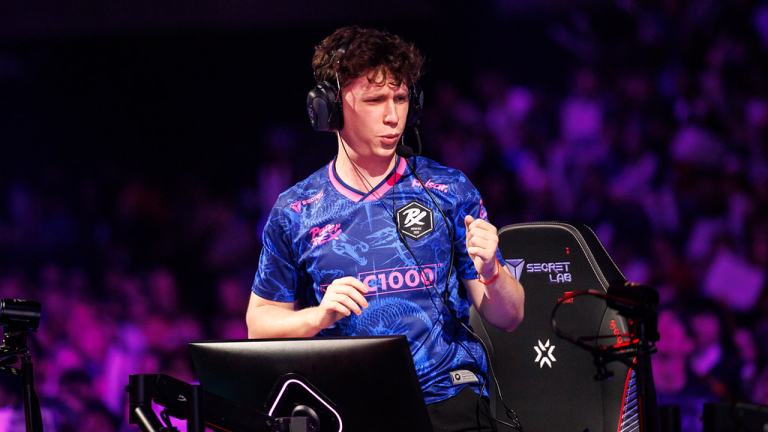
Group D started on July 3 with MIBR beating Global Esports 2-0, while All Gamers and Team Heretics turned the second opener into a live test of how quickly the group can separate structure from survival.
MIBR give Group D the first clean answer
MIBR did not leave their opening signal vague. A 2-0 win over Global Esports gives the Brazilian-led side the best possible start in Group D and changes the pressure around the rest of the day. The result does not decide the group alone, but it removes the most dangerous first-day question: whether MIBR’s pace can survive an international opener without becoming loose.
That matters because the Esports World Cup format punishes slow adjustment. A clean opening win gives MIBR room to prepare for the winners’ match while the rest of the group still has to deal with immediate bracket pressure. For Team Heretics and All Gamers, the same day carries a sharper edge: the second opener now decides who follows MIBR into the stronger side of the group.
MIBR need more than Brazilian pace
MIBR can bring aggression, mechanical confidence and a willingness to take early fights. Against Global Esports, that has to be shaped rather than simply released. A team that attacks without information can give away the very control it wants. The better MIBR version uses pressure to restrict options, not to gamble for highlight entries every round.
The Brazil Challengers Stage 2 context matters because the region’s wider calendar has already been framed around map discipline and playoff pressure. MIBR’s international task is similar at a higher level: show that Brazilian pace can be connected to round management. If they do that, Group D opens in their favour.
| Key point | Reading |
|---|---|
| Completed opener | MIBR defeated Global Esports 2-0 in Group D. |
| Second opener | All Gamers and Team Heretics were still shaping the other half of the bracket on July 3. |
| Group meaning | MIBR moved first toward the winners’ path while the other pairing kept the lower-bracket picture open. |
| Main task | Teams must prove that preparation survives the first tactical disruption, not only the first veto. |
Heretics face a different style question
Team Heretics against All Gamers is likely to hinge on whether Heretics can impose structure without becoming slow. Chinese teams can punish hesitant defaults, especially if the opponent waits too long to challenge map space. Heretics need enough early information to avoid guessing at the end of rounds.
All Gamers, meanwhile, have a chance to make the group uncomfortable immediately. If they win the opener, Heretics fall into the elimination route and the entire group narrative shifts. That possibility should prevent anyone from treating the match as a prelude to later bracket stories.
The winners match starts before the winners are known
Because both Group D openers feed into the same upper route, teams are already preparing for two possible next opponents. That changes how much they reveal. A team wants to win the first match cleanly, but it also wants to avoid giving the next opponent a perfect scouting manual.
This is where early map choices carry extra meaning. A comfort pick can secure the opener but expose habits. A slightly broader veto can win more slowly but hide future preferences. The best teams manage both goals at once, and Group D will quickly show who has that discipline.
Group D’s first day can reshape the event’s balance
The EWC field is broad enough that every group contributes to the event’s regional story. MIBR, Global Esports, All Gamers and Heretics represent very different competitive backgrounds. Their opening matches will tell us whether the tournament remains balanced across regions or starts to tilt toward the teams that adapted fastest to Paris.
The simple rule is that no team can wait for the second match to become itself. Group D begins with identity tests, and the bracket will punish anyone still searching for one after the opening map.
The opening vetoes can reveal who trusts preparation
Group D’s first signal may arrive before pistol rounds. If MIBR or Heretics choose comfort without considering the opponent’s strongest punish, the match can become reactive immediately. A good veto in this group has to do more than remove a bad map. It has to create a first half where the team’s identity appears quickly.
Global Esports and All Gamers will both look for signs that the bigger-name opponent wants a safe route. If they sense caution, they can attack with bolder early calls and force the favourite to solve unfamiliar pressure. That is how an underdog turns an opener into a real bracket problem.
The best prepared team will look calm in the second half of the first map. Not because everything went perfectly, but because the staff and players already know which parts of the plan can bend. That flexibility is the real identity test underneath the team names.