
VALORANT Challengers 2026 Brazil Stage 2 runs toward a July 12 finish with a playoff bracket that forces six teams to convert regional form into series discipline.
Brazil’s bracket is smaller, but the margin is not
Brazil Challengers Stage 2 reaches July with the regular-season noise stripped away. Fourteen teams entered the stage, but the playoff structure forces the remaining field to answer a simpler question: who can win series when every map has scouting attached? The prize pool matters, yet the bigger value is the path toward Americas relevance.
A six-team playoff bracket creates a different kind of pressure from a wide Swiss field. There are fewer opponents to study, more time for targeted preparation and less room for a team to hide a soft map. If a roster has been carried by one comfort pick, July is where opponents should find it.
Regular-season placement has practical value
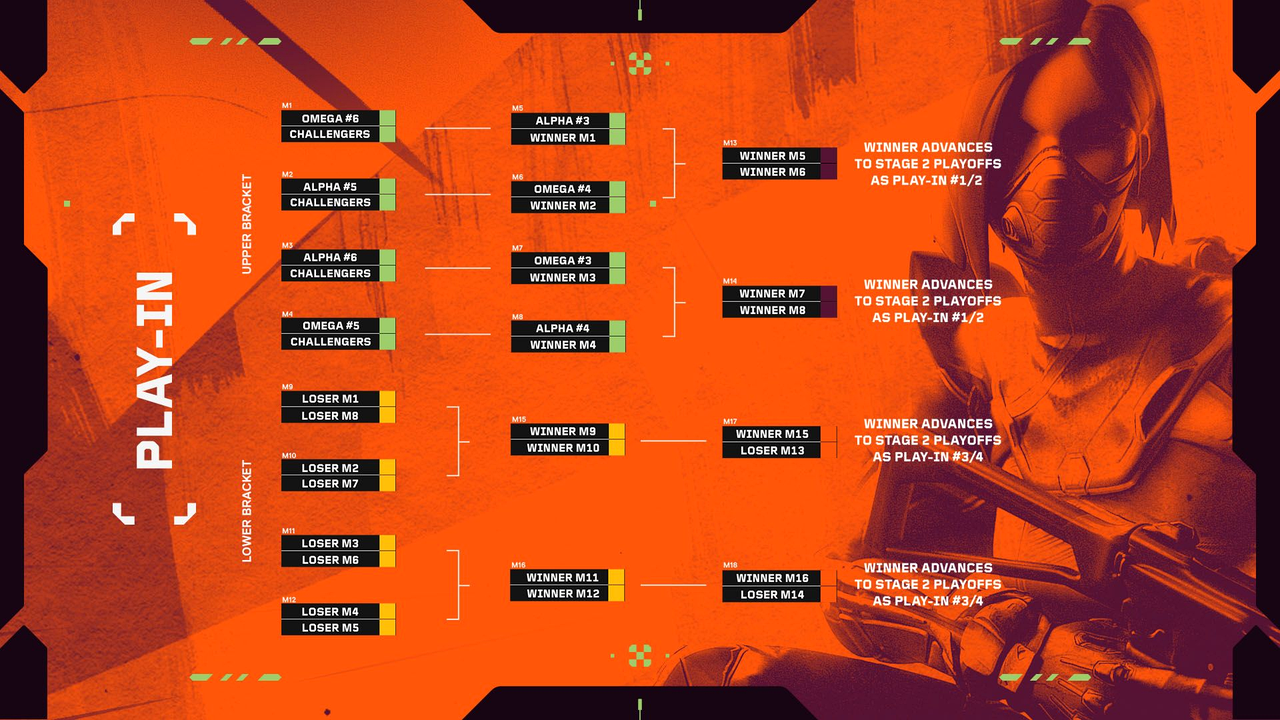
The regular-season rules listed by Liquipedia reward group winners with byes into the upper-bracket semifinals, while second-place teams start in upper-bracket round one and third-place teams enter the lower side. That design makes every earlier match matter. The bracket is not a reset; it is a continuation of the discipline shown across the stage.
Byes can be double-edged. Rest and scouting time are useful, but a team waiting in the semifinal can meet an opponent that has already warmed up under playoff pressure. The top seeds need to avoid entering the bracket like spectators. Their first map has to feel prepared, not ceremonial.
| Key point | Reading |
|---|---|
| Event | VALORANT Challengers 2026 Brazil: Stage 2. |
| Dates | The event runs from May 6 to July 12, with playoffs in July. |
| Teams | Fourteen teams entered the stage; six advance into the playoff bracket structure. |
| Prize pool | Liquipedia lists R$405,000 BRL, roughly $78,000 USD. |
Brazil’s depth makes vetoes dangerous
Brazilian VALORANT has enough regional depth that a favourite cannot simply out-aim every bad decision. Vetoes will decide whether teams play from comfort or from compromise. A coach who protects one weakness may expose another. A captain who reads the opponent too narrowly may walk into a prepared anti-strat.
That is why soft maps are so expensive. In a double-elimination environment, one exposed map can follow a team through the bracket. The next opponent sees the same weakness, sharpens the plan and forces the roster to prove it has a real answer. July rewards teams that can win different kinds of games.
The Americas pathway makes Brazil’s stage feel larger
VCT Americas Stage 2 has already been framed as a Champions gate, and the Challengers regions sit close enough to that story to feel relevant. Brazil’s playoff winner will not be judged only by domestic applause. Fans will ask whether the champion has the structure to threaten when the regional paths begin to connect.
That puts pressure on more than star duelists. Controllers, initiators and mid-round callers have to look ready for teams outside Brazil’s familiar habits. A flashy domestic run is valuable, but the pathway asks whether the same decisions survive different tempo and different map priorities.
The lower bracket can create the most honest team
Upper-bracket control is always preferred, but lower-bracket runs often reveal a roster’s real resilience. A team that loses once and then repairs its veto, economy calls and timeout usage may become more dangerous than the untouched favourite. Brazil’s playoff shape gives that kind of run enough room to develop.
The cost is stamina. Lower-bracket teams burn preparation, emotional energy and hidden picks faster. By the time they reach a final, they may have shown too much. The best staff will manage not only the next opponent, but the information trail they leave for the opponent after that.

Stage 2 has to crown a roster that travels
The useful champion is not simply the team that looks best on a local broadcast. It is the team whose map pool, agent roles and late-round habits appear portable. Brazil has produced enough international VALORANT history for that standard to be fair. A Stage 2 winner should look like a roster with answers beyond one patch or one opponent type.
That is why July’s playoffs are worth treating as a real news cycle. They are not filler before VCT resumes. They are a regional filter for teams trying to prove they can enter the Americas conversation with substance. Soft maps, lazy vetoes and one-dimensional plans will not survive long.