The EWC playoff path has produced loud moments, but the bracket has also made one simple point clear. Teams that control space with patience are lasting longer than teams that only chase highlights.
The bracket rewarded teams that reduced chaos
International playoffs can tempt teams into faster and louder Valorant. The EWC bracket has shown the opposite lesson. The teams moving deepest have usually reduced chaos before adding aggression. They clear space, remove early traps and then choose the fight when the support is close.
That approach may look less dramatic, but it survives better across a best-of series. A team that depends on highlight entries can win one map and then run out of surprise. A team that controls space can change the final hit while keeping the same base rules.
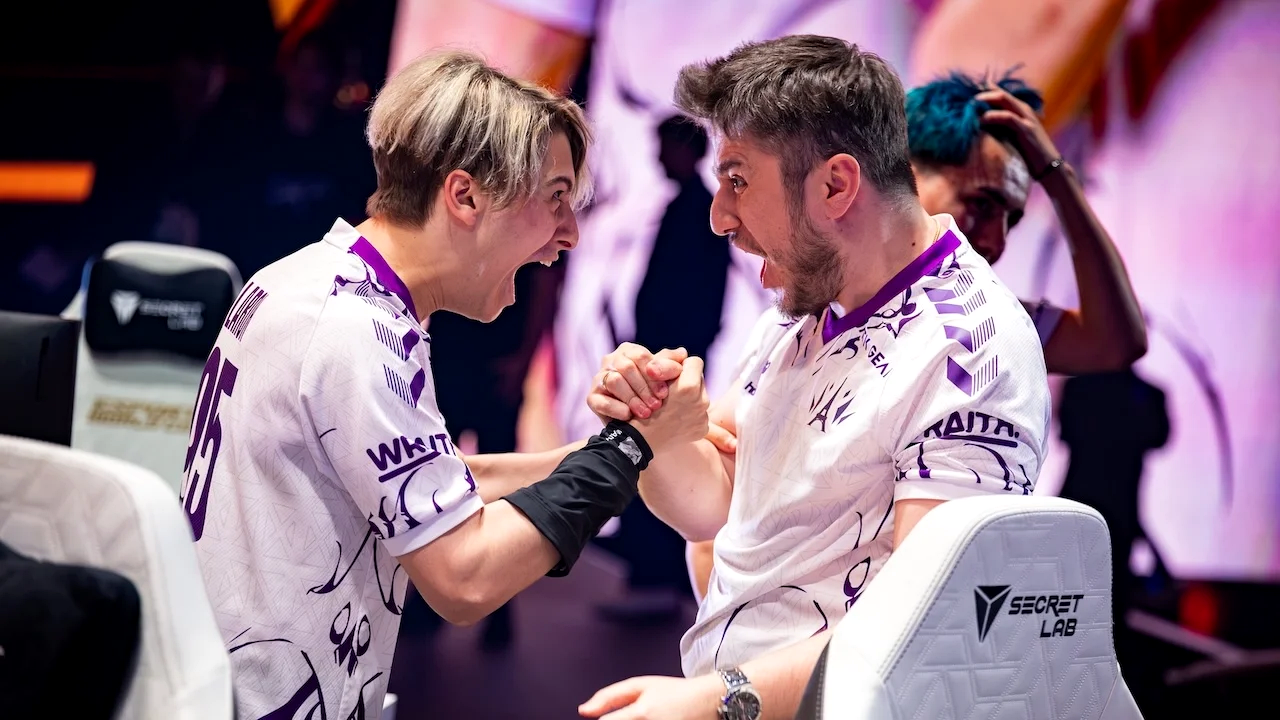
The final days of the event should be read through that lens. The best plays are not always the flashiest ones. Often they are the small moves that make the flashy play safer.
Information has become the hidden currency
The value of information is easy to miss because it does not always create a kill. A drone that confirms an empty lane can move the whole defense. A late jump peek can stop a rotate. A sentinel trap can let one player hold a space that would otherwise need two. These actions make the map smaller for the opponent.
The EWC teams that managed information well forced opponents into worse guesses. That is a major playoff skill. When a team has to guess too often, its utility becomes late and its rotations become noisy. The round then starts to break before the final fight.
This is why map control beats highlight hunting. A highlight can end a round. Information can decide where the round is allowed to happen.
| The area | Main point |
|---|---|
| Event lesson | Deep EWC teams are winning through map control. |
| Hidden edge | Information and saved utility decide many late rounds. |
| Stage 2 note | Teams should copy principles, not only set plays. |
Utility discipline separates good attacks from loud attacks
A loud attack uses utility because the team wants to go fast. A good attack uses utility because the team knows what problem must be removed. The difference is clear in playoff rounds. One smoke may protect the plant. One flash may clear a close swing. One molly may stop the retake long enough to win the round.
When teams spend utility without a purpose, they arrive at the site with nothing left for the second fight. The EWC bracket has punished that. Retakes become much easier when the attacking side has already used every tool just to enter.
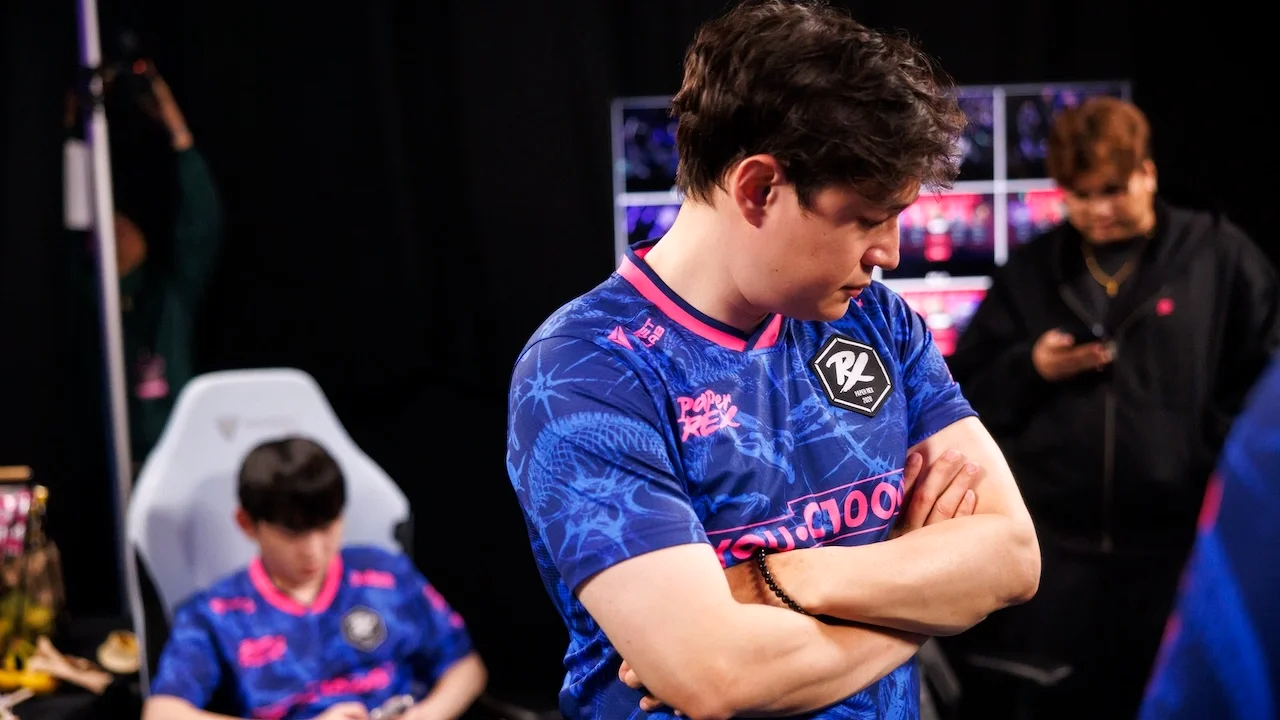
The better teams have kept a small reserve. That reserve may be the reason a post-plant survives. It may also be the reason a defender waits too long and loses the final timing.
Defense is now about pressure without gifts
The strongest defensive halves have not been passive. They have used early pressure carefully, then avoided giving away free openings. That is a difficult balance. If a defense does nothing, the attack gains map control. If it fights too much, the attack gets early numbers.
Good defensive pressure gives information and then leaves. It makes the attack use utility. It delays the clock. It also keeps the defender alive for the retake. The EWC playoff teams that understood this balance looked calmer in late rounds.
This lesson should travel into Stage 2. Teams that can pressure without gifting first deaths will be harder to solve across a league schedule.
The best teams know when to stop
One of the most underrated playoff skills is knowing when to stop a round. A team can win space and still choose not to hit the site. It can find a pick and still slow down. It can lose the first player and still save the round by moving the spike to a safer area.
The EWC bracket has rewarded teams with that restraint. They do not treat every advantage as a command to sprint. They ask whether the next fight is still good. That question saves rounds that less mature teams throw away.
This is where experience shows. A mature team does not fear a quiet ten seconds. It uses that pause to make the opponent uncomfortable.

Stage 2 teams should copy the principle, not the exact round
Other teams will watch the EWC tape closely. The mistake would be copying exact rounds without copying the principle behind them. A smoke lineup or a set play can be useful, but the bigger lesson is how teams created safe choices before the hit.
Stage 2 preparation should focus on those ideas. How was space taken? What information was trusted? Which utility was saved for the second fight? Those questions will help more than a direct copy that falls apart when the opponent changes one position.
The event’s lasting message is simple. Highlights are valuable, but control gives highlights a place to happen. The teams that remember that will carry the strongest lesson out of Paris.
Information makes the highlight useful
A highlight is strongest when the team already knows why the fight matters. EWC rounds kept showing that space, utility and timing create better duels than a blind search for a clip.
That is the practical value of map control. It lets a star player attack with support, and it lets the rest of the team understand when a saved weapon is worth more than a risky chase.
Control creates the highlight
The EWC bracket keeps showing that highlights matter most after the map is already understood. Saved utility, safe information and patient late calls give star players better duels.
Teams should copy that principle, not only the visible set plays. A round with a clear spine will outlast a round that only searches for a clip.


