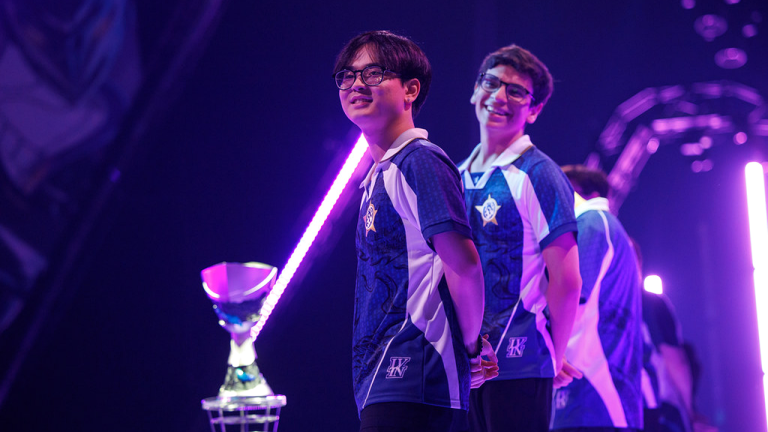
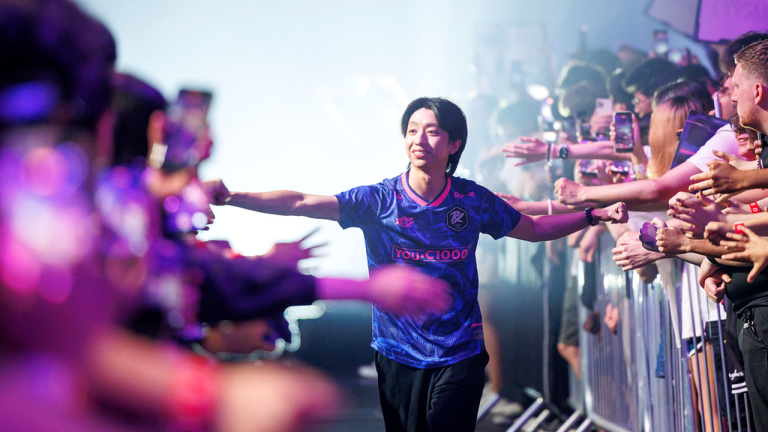
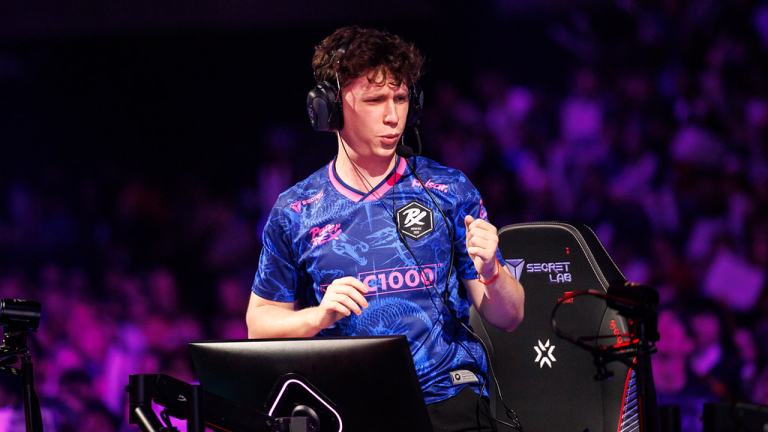
VALORANT enters the 2026 Esports World Cup in Paris with 16 teams, a $2 million prize pool and a group stage that begins immediately with heavyweight pressure rather than a gentle runway.
Paris starts with tournament consequences
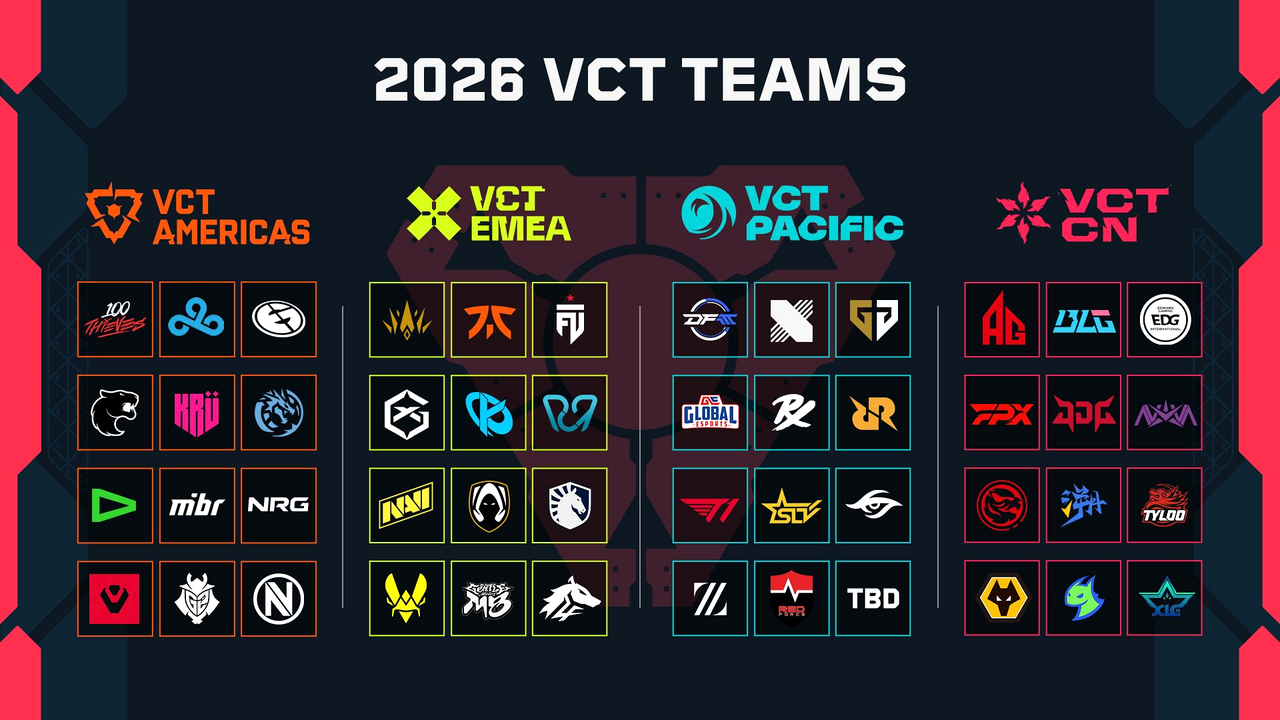
The Esports World Cup does not give VALORANT much time to warm up. A 16-team field, a Paris venue and a $2 million prize pool make the group stage feel like a main event from the first day. Teams cannot spend the opening matches merely checking maps and stage comfort. The format asks them to show reliable veto work immediately.
That matters for the wider ecosystem because VCT 2027 Open Slots have already made every cross-regional event feel connected to future opportunity. EWC is not a league stage, but it still becomes a pressure reading for teams trying to prove that their style travels beyond their domestic schedule.
The group stage rewards preparation depth
Two teams advancing from each group means one early mistake is survivable, but not harmless. A loss changes veto leverage, forces opponents to study tendencies in real time and can make a second match feel like elimination before the playoffs have even begun. The teams that prepared only for preferred maps will be exposed quickly.
VALORANT’s current map pool rewards flexible role comfort. A team may enter Paris with a strong default on one map, but EWC punishes narrow identity if the opponent removes that comfort. The strongest squads will be the ones that can change tempo without changing their basic communication habits.
| Key point | Reading |
|---|---|
| Event window | July 2-12, 2026. |
| Venue | Paris Expo Porte de Versailles. |
| Field | 16 teams split through a group stage before playoffs. |
| Prize pool | $2,000,000 listed for the VALORANT event. |
International pressure changes utility discipline
Regional play can hide small utility habits because opponents are familiar and scrim patterns repeat. In an international bracket, late-round discipline becomes more fragile. Teams meet different contact timings, different retake priorities and different lurk instincts. That makes simple cooldown management and post-plant spacing feel more valuable than a highlight entry.
The best Paris teams will probably look boring in the most important rounds. They will clear corners fully, delay peeks, and save utility for the actual hit instead of the imagined one. On a stage this dense, boring can be a compliment if it means the players are still making correct decisions after the first chaotic fight.
The broadcast story needs real match texture
EWC will attract casual attention because the name is large and the prize pool is easy to understand. VALORANT still needs the matches to show why the game is tactically rich. That means group-stage games should not be sold only as star duels. The real drama is in how teams adapt after one half of information.
A team that loses defensive reads on Haven or burns too much utility on a slow default can recover if the in-game leader recognises the pattern early. Those adjustments are what make the event premium for viewers. The bracket needs visible problem-solving, not only loud walkouts and clean graphics.
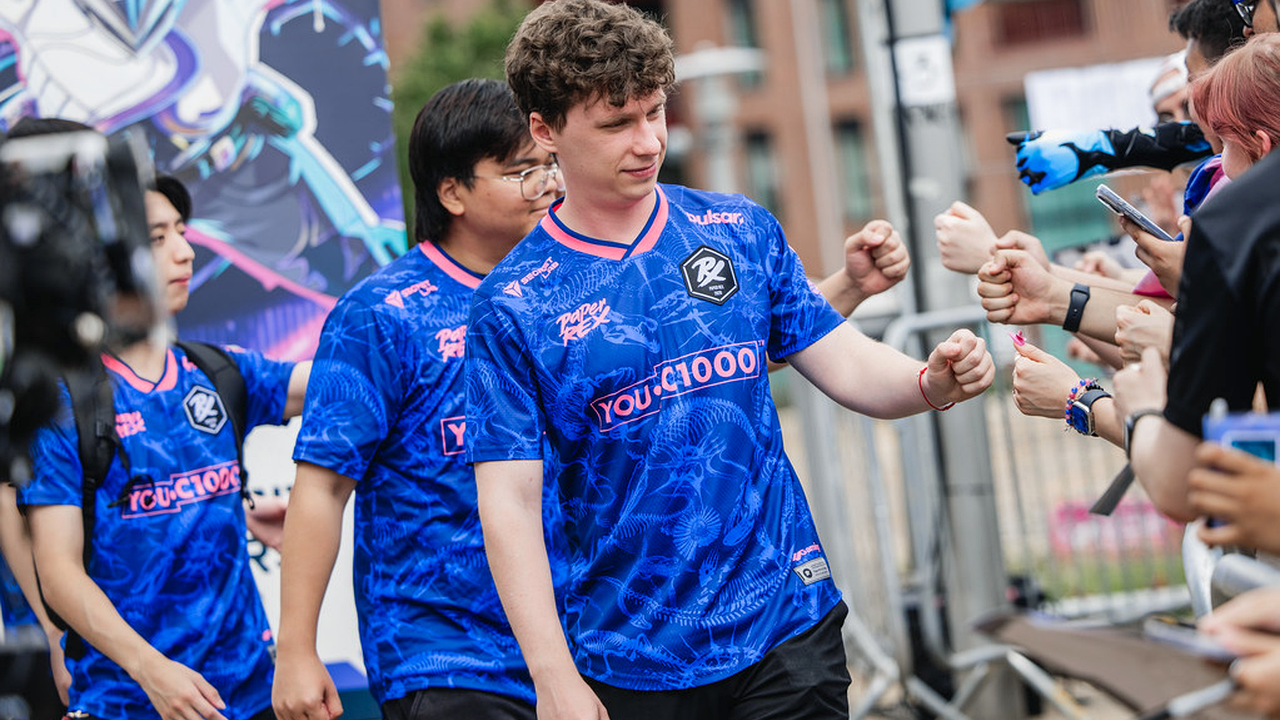
Paris creates a Champions-adjacent benchmark
The event is not Champions, yet its timing makes it a useful benchmark before the second half of the VCT calendar becomes sharper. Teams that look composed in Paris can return to regional play with proof that their map pool holds under different pressure. Teams that collapse will have to decide whether the issue was preparation, role comfort or stage nerve.
That is why VCT EMEA Stage 2 and other regional races will be watched differently after EWC. International evidence changes domestic interpretation. A clean Paris run can make a team look more dangerous at home; a messy one can make even a strong league record feel less secure.
No slow start available
The cleanest reading of EWC is that it removes the luxury of gradual arrival. Sixteen teams, limited group space and a fast move toward playoffs create an event where day-one decisions may shape the whole run.
For VALORANT fans, the appeal is immediate. Paris will show which teams can carry preparation into a new environment without turning the first series into an excuse. The bracket is not waiting for teams to grow into it. It is demanding that they arrive already awake.
The first anti-strat layer will arrive quickly
A short international group stage compresses the anti-strat cycle. Teams will not have a week to rebuild after revealing a defensive setup or a pistol wrinkle. Once the first match is played, opponents can immediately adapt, and the second series can feel different even if the map pool is similar. That puts a premium on teams with multiple versions of the same default rather than one polished routine.
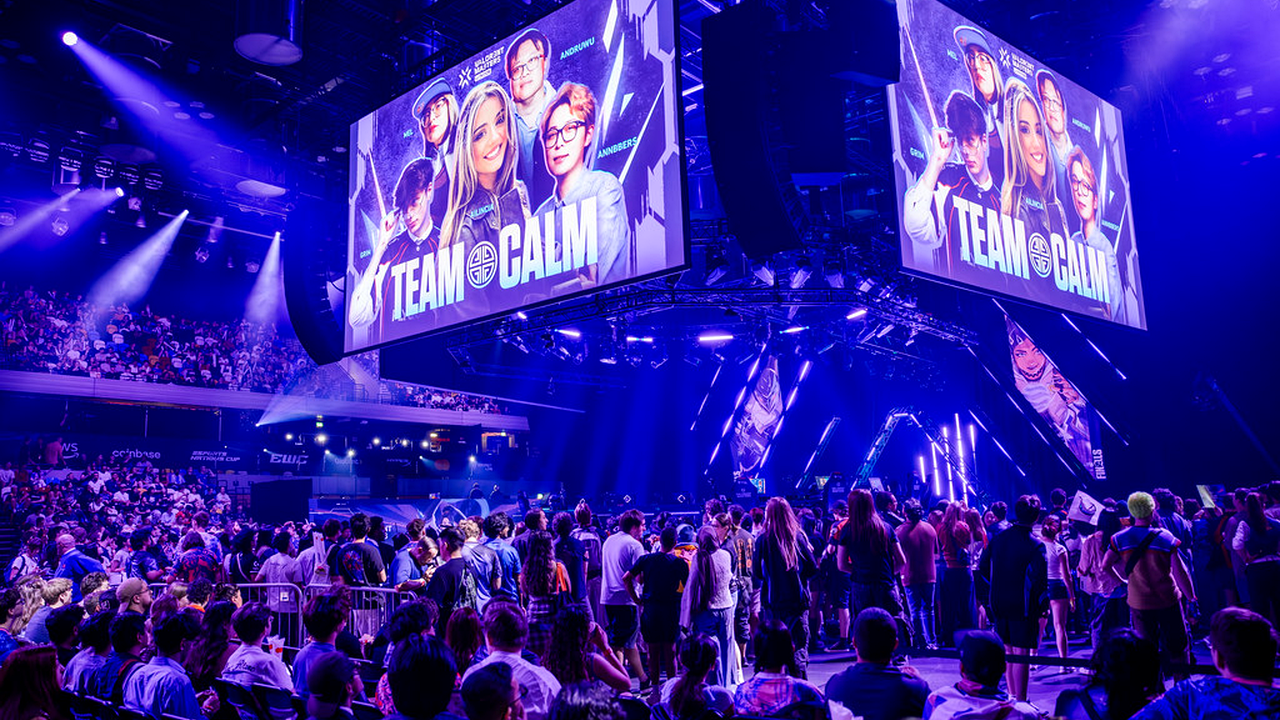
Paris will therefore reward rosters that can disguise familiar ideas. A team might start with the same map control pattern but change the timing of the final hit, swap the lurk responsibility or save a key ultimate for a later retake. Viewers may see the same agent composition and assume the plan is identical. The best teams will make tiny changes that alter the round without looking dramatic on the loading screen.
Players must manage travel rhythm as much as map rhythm
International VALORANT is not played only on the server. Travel rhythm, practice room quality, stage timing and media obligations all change how sharp a team feels when the match begins. Paris will reward squads that keep routines simple. Warm-ups, review blocks and recovery have to be protected because the schedule moves quickly. A team that spends too much energy adjusting to the event around the game can arrive on stage already behind.
That human layer is easy to miss when the bracket page lists only teams and maps. The best rosters often look calm because they have removed small frictions before the match. Food, sleep, scrim focus and role meetings become competitive details. In an event where one bad group-stage day can reshape the playoff path, professional routine is not a luxury. It is the foundation that lets the tactical work appear under pressure.