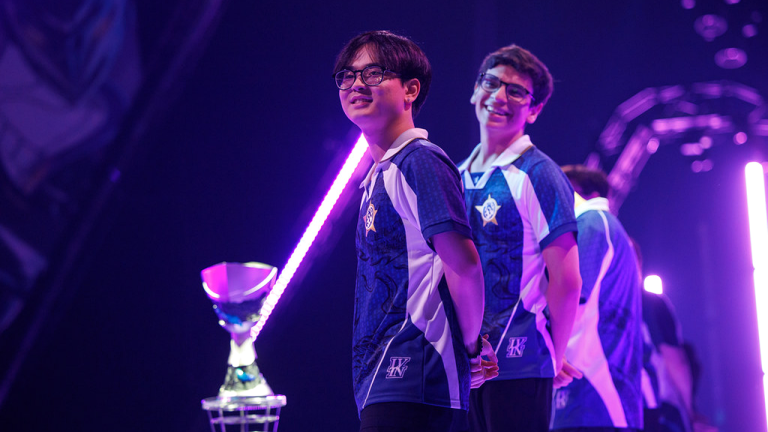
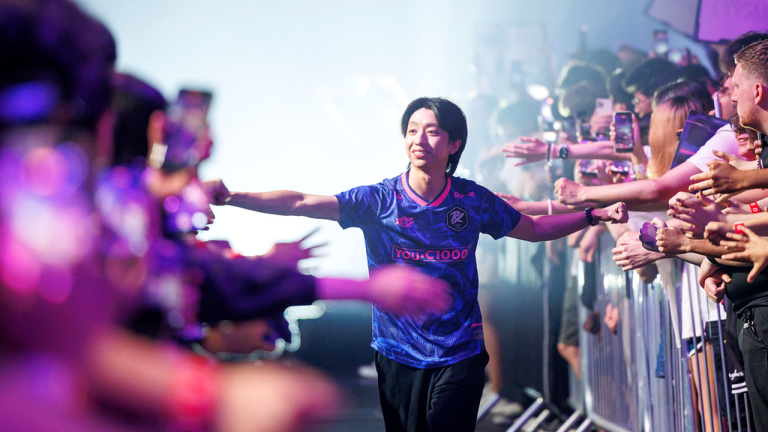
The 2026 Challengers EMEA Last Chance Qualifier moves toward its July 7 group stage, giving 16 teams one final route to turn a fragmented regional season into a survival story.
The last-chance label is accurate
The EMEA Last Chance Qualifier is not a decorative appendix to the season. It is the point where teams that survived regional splits, points pressure and imperfect rosters get one more structured chance to make the year matter. July 7 therefore lands with a sharper edge than a normal group-stage start.
VCL EMEA Stage 3 already tightened the Challenger race, but the LCQ gathers pressure from several leagues into one compressed event. That kind of field can produce awkward style clashes because teams are not all shaped by the same domestic rhythm. Preparation has to account for unfamiliar timing as much as familiar names.
Sixteen teams make scouting harder
A 16-team LCQ is large enough to stretch analysts. It is not enough to know one opponent’s best map. Staff need quick reads on multiple regions, agent preferences, pistol habits and how often teams are willing to gamble on defensive aggression. The teams that organise information fastest will look calmer than the ones with more raw firepower but less clarity.
This is where Challenger depth becomes visible. Tier-two VALORANT often produces teams that are tactically brave because they cannot rely only on superior mechanics. In a last-chance event, that bravery can become a weapon if it is supported by real structure rather than panic.
| Key point | Reading |
|---|---|
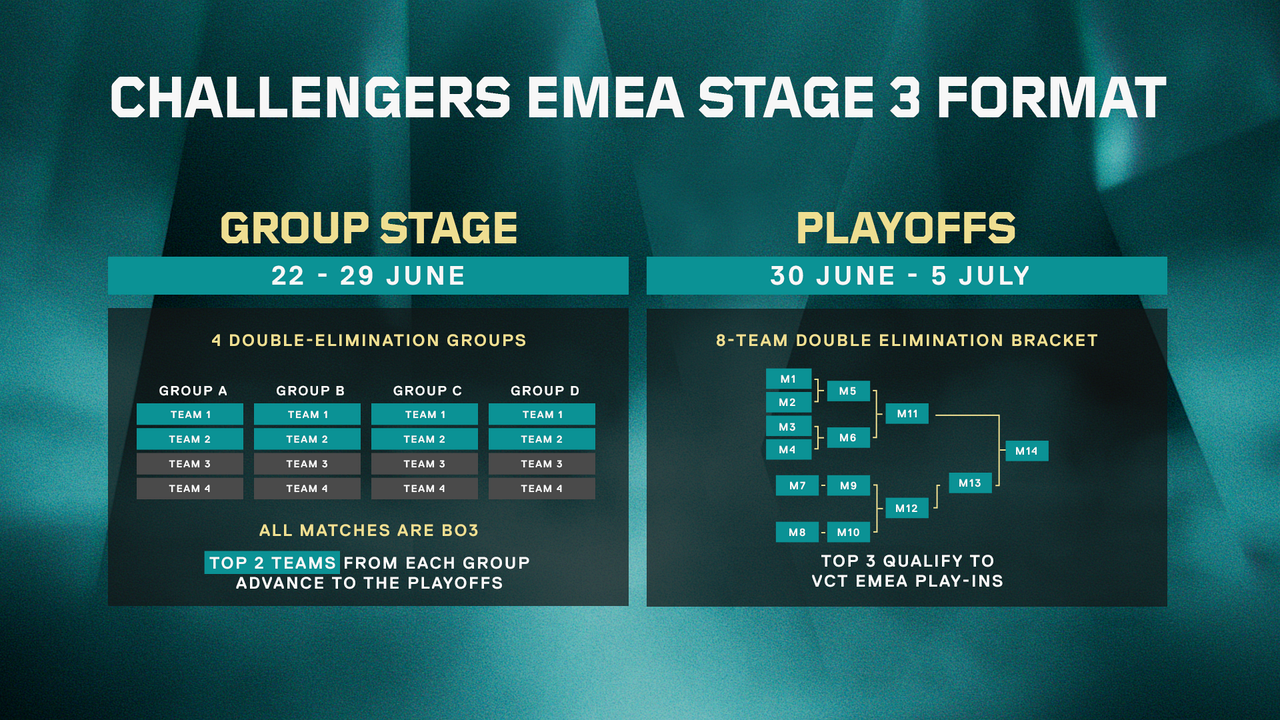
| Event | Challengers 2026 EMEA Last Chance Qualifier. |
| Group stage | July 7-9. |
| Playoffs | July 10-12. |
| Field | 16 teams from EMEA’s Challenger ecosystem. |
Group stage means no hiding from veto pressure
The July 7-9 group window is short. A poor veto in the first series can force a team into a bad psychological position immediately. Map pools built on one comfort pick and one emergency backup rarely survive this format. Teams need at least three maps they can play with conviction, plus a plan for what happens when the opponent removes the obvious choice.
That is why the opening day may reveal more than the scoreboard suggests. A team that wins narrowly on a weak map may have more long-term value than a team that crushes on its favourite. LCQ success is about repeatability across opponents, not a single peak performance.
Roles decide who handles the schedule
Compressed events punish unclear roles. Duelists need to know when the team is truly ready to follow. Initiators need to keep enough utility for late round information. Controllers need to survive long enough for the second half of the plan. If those responsibilities blur, the LCQ can turn into a sequence of messy retakes and solo decisions.
The teams with stable role identity will not necessarily be the flashiest. They will be the ones whose late rounds still look rehearsed after a long match day. That kind of stability matters in playoffs, but it starts in the group stage when fatigue first begins to show.
The ecosystem needs this door to feel real
Riot’s broader Challenger structure depends on last-chance events carrying credibility. If the LCQ feels like a true survival door, teams and fans can believe the path remains open deep into the season. If it feels random or underprepared, the ecosystem loses some of the tension that makes regional play valuable.
ACE Challengers NA has its own development argument, and EMEA’s version is more fragmented because of the number of local scenes involved. That fragmentation is a challenge, but also a strength. A strong LCQ can make those scenes feel connected by consequence rather than merely listed under the same umbrella.
July 7 will sort ambition from readiness
Every team in the LCQ can talk about ambition. The group stage will reveal readiness. Readiness means a broad map pool, quick adaptation, clean communication and the ability to stop one bad half from becoming an event-ending spiral.
That is the appeal of the EMEA LCQ. It is not polished in the same way as a major international LAN, but it carries a raw competitive truth. Teams have had months to become complete. On July 7, excuses start to run out.
Regional variety can create uncomfortable matchups
The LCQ’s best feature is also its hardest scouting problem: regional variety. A team from one local circuit may treat early aggression as normal, while another may prefer slower defaults and late utility layering. When those styles meet, the first map can look strange because each side is testing whether its domestic assumptions still apply. The quicker team to recognise the mismatch will steal rounds before the opponent fully adjusts.
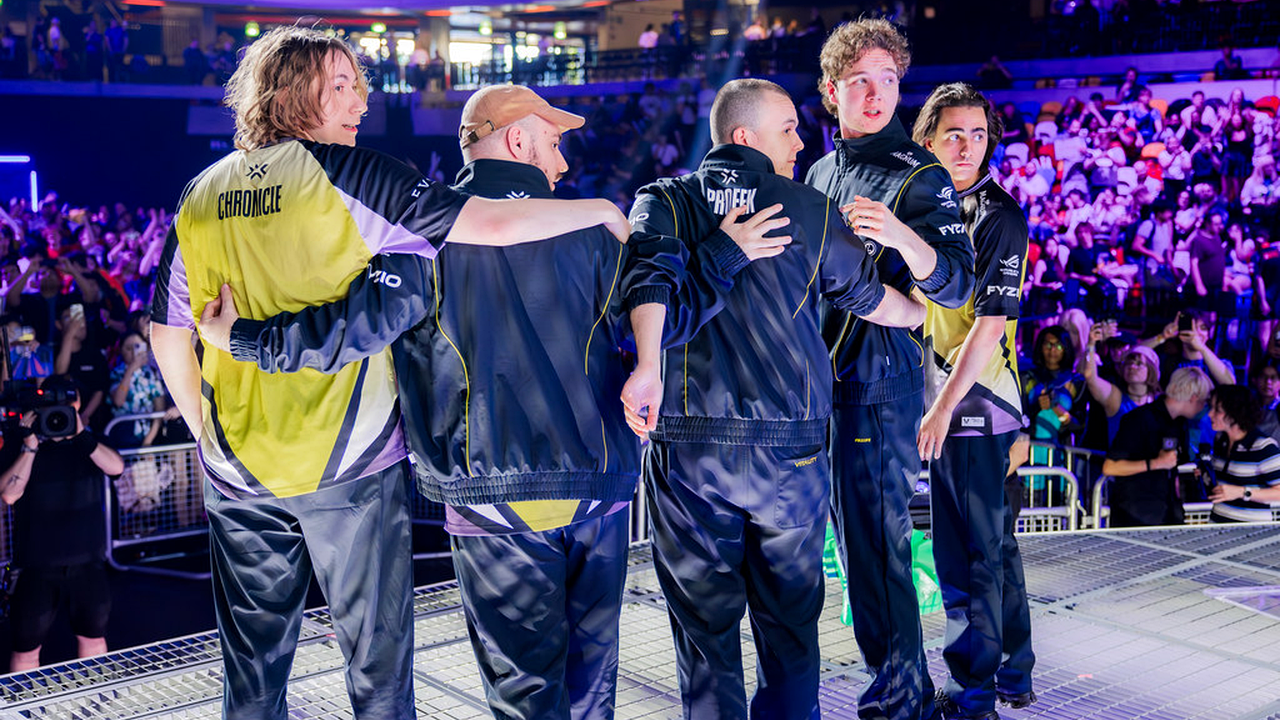
That is why coaches may be more important than usual during pauses and halftime. Mechanical talent can win duels, but the LCQ will often be decided by identifying which habits are being punished. If a team loses three rounds to the same mid push or retake delay, the problem is no longer surprise; it is adaptation. July 7 will separate rosters that can learn inside a series from rosters that only learn after one has ended.
The pressure is also financial and roster-based
Last-chance events carry pressure beyond the bracket. Challenger teams often live with fragile roster timelines, uncertain budgets and players trying to prove they deserve the next step before an offseason begins. A strong LCQ can keep a project alive. A poor one can make organisations reconsider investment or push players into trials elsewhere. That background does not appear in the scoreboard, but it shapes the emotional weight of every map.
For that reason, the most composed teams may be the ones that separate career pressure from round decisions. Players will know what the event means, yet they still have to clear corners properly and trust utility timings. The LCQ is a survival door in a competitive sense, but also a stability door for the people inside the teams. That makes July 7 feel heavier than a normal group-stage date.