The Challengers EMEA Last Chance Qualifier starts its group stage with four opening matches. For the teams involved, the first day can shape the whole route to playoffs.
The opening day is already crowded
FOKUS, Formulation Gaming, MIR, Fire Flux, Mandatory, La Masia, Misa Esports and Cilekler all enter the group stage on the same day. That creates a full first read of the event before the bracket has time to settle.
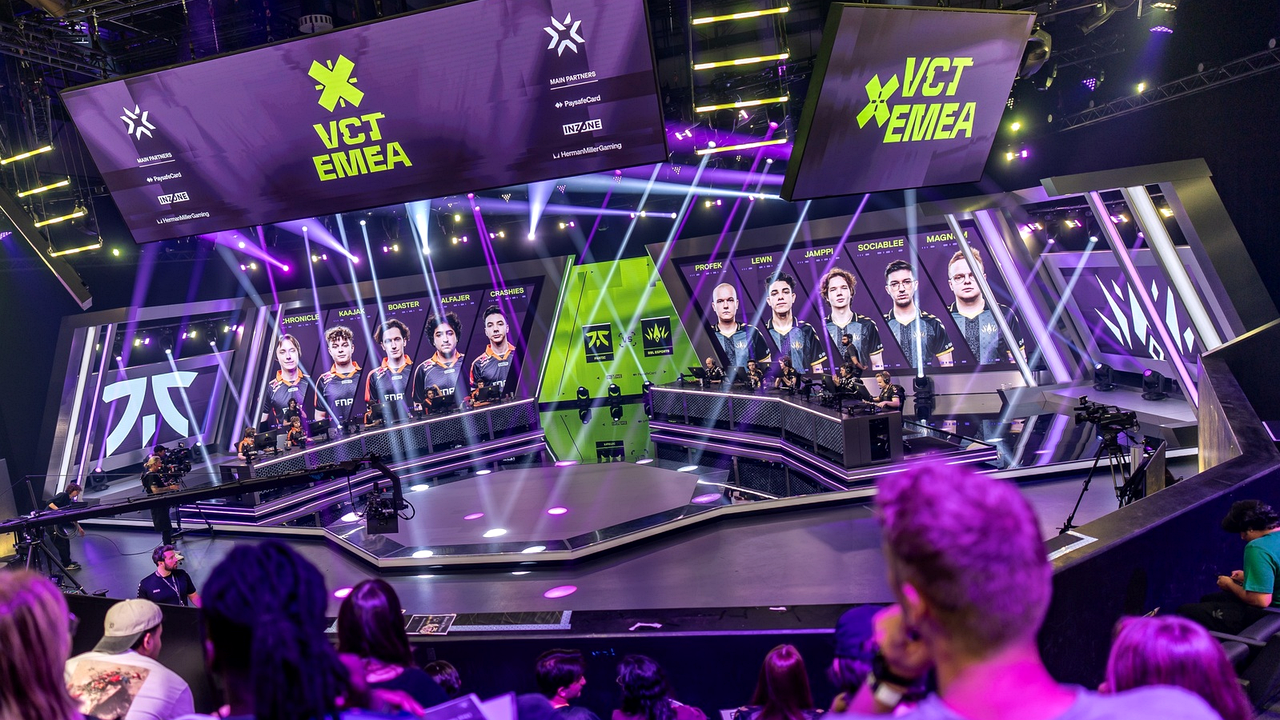
A Last Chance Qualifier is not a normal league week. Teams arrive after different paths, with different levels of pressure. Some are trying to rescue a season. Others are trying to prove that their regional rise can survive a stronger field.
The first match can decide the mood
A group stage gives teams more than one life, but the first match still matters. Win it and the next veto feels lighter. Lose it and every round after that carries the weight of repair. That is why opening maps can feel tight even when teams know there is time left.
Coaches will want their players to keep the first day simple. Good defaults, clean utility and strong post-plants are enough. The teams that try to show every prepared idea on day one may run out of surprise too early.
| EMEA point | Main note |
|---|---|
| Event | The EMEA Challengers LCQ group stage starts on July 7. |
| Opening slate | Four groups begin with matches at the same time. |
| Main pressure | A first loss makes the route tighter right away. |
| Key factor | Map depth can matter as much as star aim. |
Also read: 555 Beat No Salary Peek to Take Pacific LCQ Upper Final Place. More news: DRX Academy GC Outlast SUZ to Stay Alive in Korea Split 2.
FOKUS and Mandatory carry name pressure
Some teams enter with names that draw extra attention. FOKUS and Mandatory will both be expected to look organized right away. That kind of expectation can be useful if it creates confidence, but it can also make early mistakes feel larger.
Their opponents can use that. A smaller-name team does not need to win the whole event in the first map. It only needs to create enough doubt to make the favorite uncomfortable. LCQ matches often become dangerous when the favorite cannot close early leads.
The groups will reward map depth
A short event still asks a lot from the map pool. Teams cannot hide the same weak map forever. If a group opponent spots a narrow comfort zone, the next veto can become painful. That makes day-one choices important.
The strongest teams will not only win on their favorite picks. They will show that they can survive on a second or third map without losing their identity. That is often the difference between a group-stage team and a playoff team.
No one gets a quiet start
The schedule leaves little room for a slow warm-up. Four groups begin at once, and every result will feed the next round of preparation. Teams will watch each other as much as they watch their own VODs.
That is what makes an LCQ alive from the first day. The event can change quickly. The teams that accept that speed and keep their plans clear will be the ones still comfortable when the group table starts to tighten.
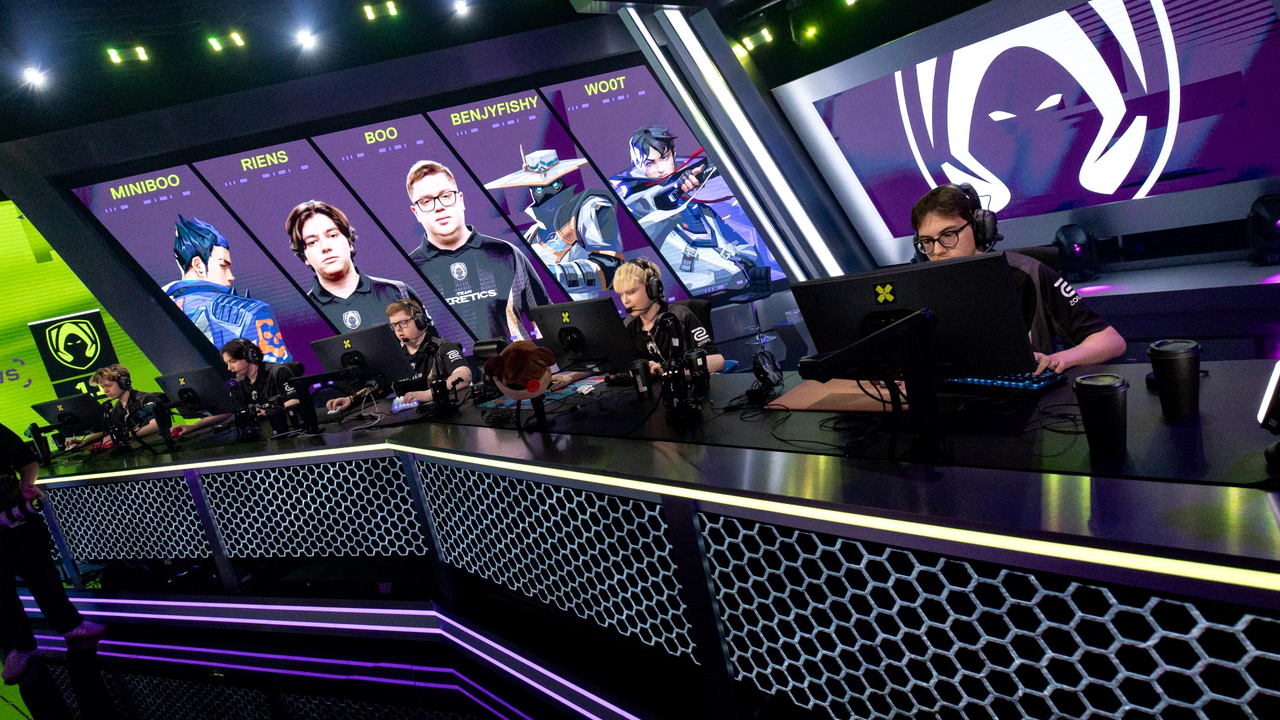
The format rewards teams that learn during the day
An LCQ with four groups gives teams a clear path, but it also punishes slow learning. A roster can lose early, still stay alive and then meet the same kind of problem again. The staff have to turn each map into quick information.
Preparation is harder because the field brings different styles. Some teams will play heavy defaults. Others will try to win through pace and surprise. A good LCQ team needs enough structure to handle both without changing identity every map.
The opening day can also reveal which teams are ready for pressure. A missed Stage 2 route can leave a roster nervous. The LCQ does not give much time to recover from that feeling.
The best teams will keep the work simple. Win the first fights, trade cleanly, protect economy and use timeouts before the map runs away. That is not flashy, but LCQs are often won by the side that stays practical.
Roster depth will matter before playoffs
The LCQ format can expose teams that rely on one caller or one star to solve every round. Four groups mean many styles and very little comfort. A team needs several players ready to make the right mid-round choice.
Depth also shows in map pools. If a roster has only two trusted maps, opponents can push it into weaker ground quickly. A wider pool gives the staff more room in vetoes.
That is why the opening groups are more than a warm-up. They are a stress test. Teams that look steady now will carry a real advantage into the later bracket.


