VCT Americas Stage 2 Turns Sao Paulo Into a Champions Gate
VCT Americas Stage 2 now has a clear shape, and the important part is not only the July start date. The league returns in Sao Paulo with Champions qualification pressure sitting behind every group match, every map veto and every week-one upset.
The event window runs from July 16 to September 7, with a $250,000 prize pool and a long path that moves from group play into play-ins and then playoffs. That makes the stage less like a short sprint and more like a two-month audit of which Americas teams can rebuild after Masters season.
Why the calendar matters before the first pistol
The first visible detail is the length of the stage. A group stage that begins in mid-July and leads toward late-August playoffs gives teams enough time to improve, but also enough time for a bad opening week to become a real standings problem.
That matters after a year in which Americas depth has become harder to separate. A team can look close to the top in one international cycle and still enter Stage 2 with a fragile map pool, a new role question or a confidence problem after a narrow elimination.
Sao Paulo also changes the feel of the event. The region is not being asked to play a remote accounting exercise; it is being asked to settle a Champions route in front of a crowd and in a city where Brazilian teams will carry extra pressure.
The tournament spine
| Area | Detail |
|---|---|
| Dates | July 16 to September 7, 2026 |
| Location | Sao Paulo |
| Prize pool | $250,000 |
| Path | Group stage, play-ins, playoffs |
| Main stakes | Champions Shanghai qualification pressure |
The structure creates three different tests. The group stage rewards consistency, the play-ins punish teams that leave work unfinished, and the playoffs expose whether a roster can win a best-of-three when every opponent has enough tape to target its habits.
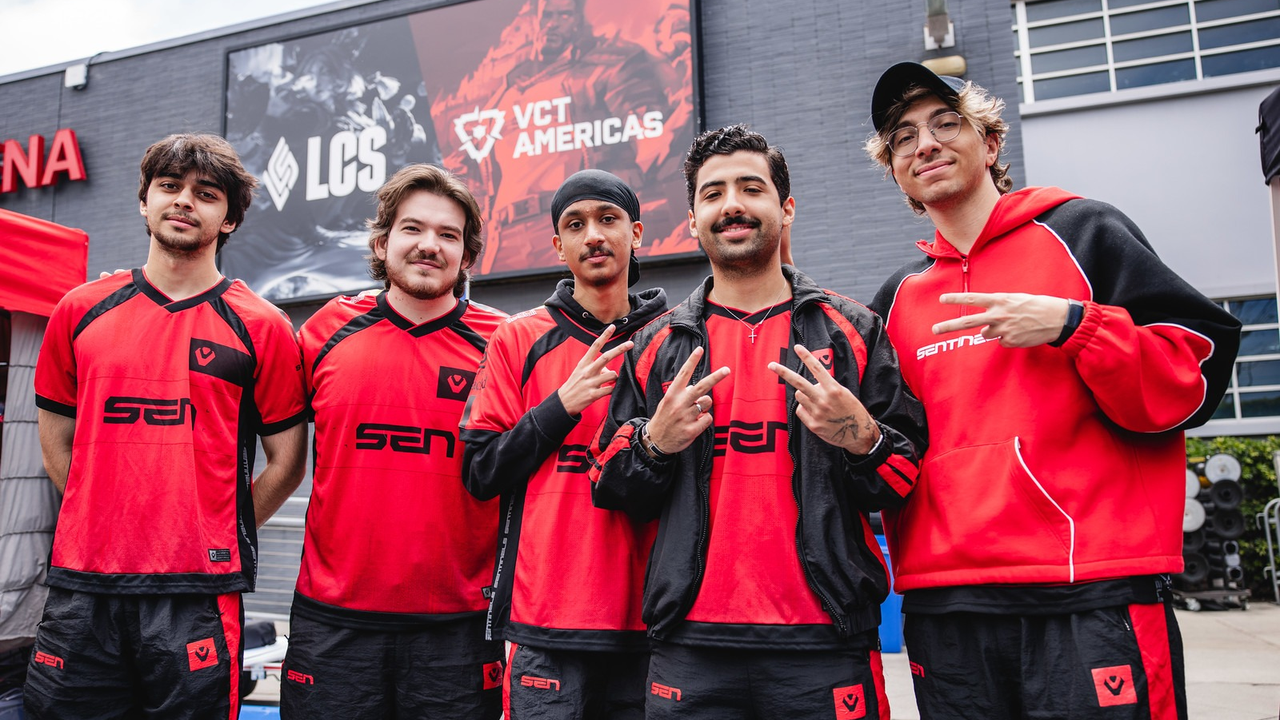
That is why early matches between teams such as LEVIATAN, FURIA, NRG, MIBR, Evil Geniuses and ENVY cannot be treated as simple openers. Even a first-week map loss can matter later if tie-breaker pressure begins to decide who avoids the most dangerous route.
What teams have to show
The cleanest Stage 2 team will not be the one with the loudest opening map. It will be the one that can keep its defensive ideas stable after opponents start banning comfort maps and forcing less familiar looks.
For the Americas field, the map pool is the real hidden table. A side that can trust six maps has more freedom to protect a star duelist, while a side with two weak maps can be dragged into vetoes where every series starts from discomfort.
The Champions race also makes roster roles heavier. Coaches cannot hide an unclear secondary caller or a shaky sentinel setup for two months, because late-round utility mistakes become easier to scout as the stage moves forward.
The veto race before Sao Paulo
The hidden preparation battle begins before the first walkout because Americas teams already know that a long Stage 2 can punish a narrow map identity. A roster that enters July with one protected comfort pick gives opponents a simple plan: remove the stable map, attack the second-best look and force the caller to solve the series while the table is still forming.
That is especially relevant for teams trying to separate from the middle of the region. LEVIATAN, FURIA, MIBR, NRG, Evil Geniuses and ENVY all sit in a field where a single clean week can create momentum, but a predictable veto can undo that work quickly. The best opening week will be measured less by highlight clips than by how many maps still look playable after opponents show their first bans.

Why the crowd can change recovery time
Sao Paulo adds another layer because pressure does not arrive evenly. Brazilian teams can receive energy from the room, but they also have to keep routine rounds from becoming emotional rounds. A bonus conversion, a 5v3 recovery or a late lurk can feel larger in a live arena, and the staff have to keep the next buy round clean after the noise fades.
For visiting teams, the challenge is the opposite. They need to make the match feel smaller than the building, especially when an early defensive half starts badly. The sides that handle Stage 2 best will be the ones that turn arena pressure into information: which opponent rushes, which timeout actually changes pace, and which map call still works when the first plan is blocked.
Final read on Americas Stage 2
Stage 2 is the region’s long gate before Champions, not a warm-up after Masters. The teams that treat July as a testing month may still survive, but the teams that turn early group matches into clean habits will own the calmer route when Sao Paulo becomes less forgiving.