Riyadh has spent the past few summers turning itself into the calendar’s loudest crossroads, and this July it hands the stage back to VALORANT. From 2 to 12 July the Esports World Cup gathers sixteen of the discipline’s most decorated rosters under one roof, splits them into four groups of four, and dangles a two-million-dollar prize pool above the whole thing.
The shape of the tournament
Strip away the spectacle and the structure is clean. Sixteen teams, four groups of four, ten days in Riyadh between 2 and 12 July. That tidy outline hides how unforgiving a group of four can be, because there is almost nowhere to hide when every fixture carries weight and a single off day can erase weeks of preparation.
What makes the EWC distinct from the rest of the season is its compression. Domestic leagues and international stages breathe across months, allowing teams to stumble, regroup and recover. Here the margin for error is measured in days. A roster that arrives slightly out of rhythm does not get a comfortable runway to find its footing, and the schedule rewards the sides that peak on cue rather than those who merely look good on paper.
There is also the matter of setting. Riyadh has become a fixture on the global esports map precisely because the Esports World Cup concentrates so many titles into one place at one time, and VALORANT’s slot in early July sits at the heart of that crowd.
Heretics and the weight of the crown
Team Heretics walk in carrying the one label nobody else can claim: defending Esports World Cup champions. That status is a gift and a burden in equal measure. It guarantees them the brightest spotlight and the heaviest scouting file, because every opponent will have studied exactly how they won and will arrive with a plan to deny it.
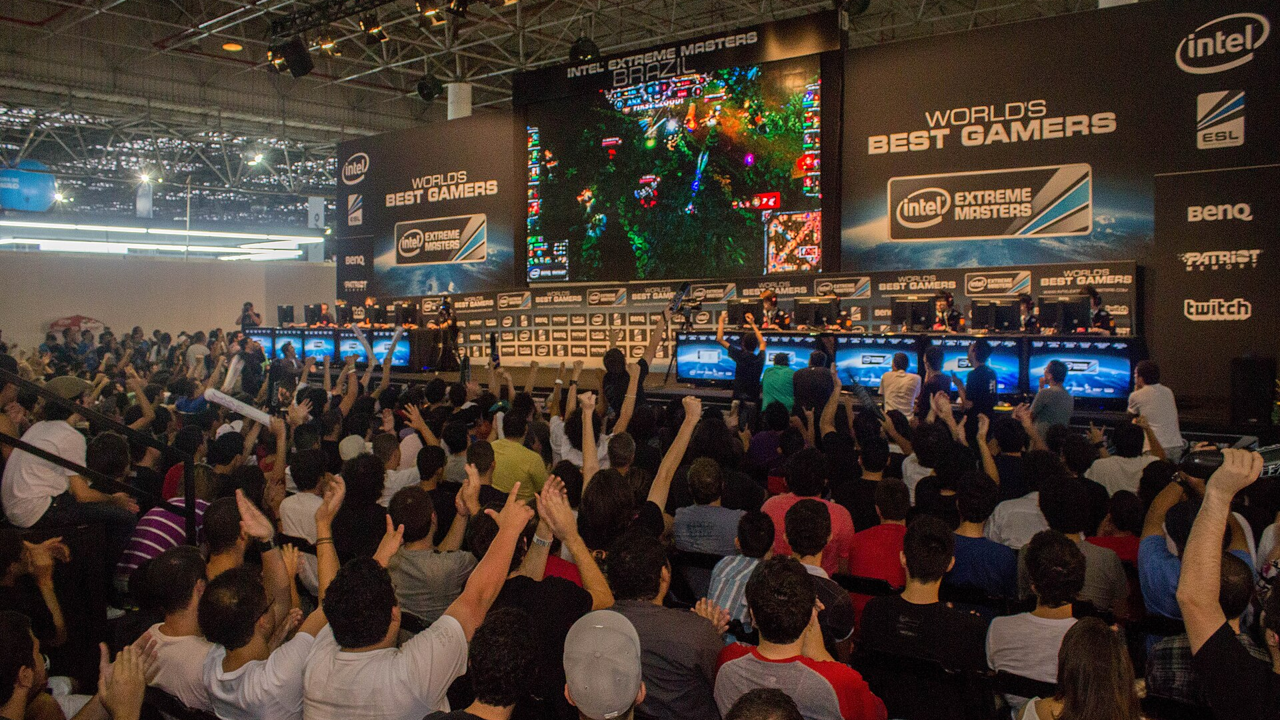
The counterargument is that pedigree of this kind does not evaporate. Winning a tournament of this scale demands more than a hot streak; it requires composure on the maps that decide everything and the ability to win rounds that look lost. Those qualities travel.
Pool 1: the Stage 1 winners loaded at the top
The seeding has already produced one of the event’s most loaded talking points. Pool 1 is reserved for the 2026 Stage 1 winners, and the names inside it read like a shortlist for the title itself.
- Team Heretics — the defending EWC champions, seeded among the very best for obvious reasons.
- G2 Esports — a Stage 1 winner whose presence in the top pool signals serious intent.
- EDward Gaming — a Stage 1 winner carrying the threat of a region that has repeatedly punished underestimation.
- Paper Rex — a Stage 1 winner long known for an aggressive, unpredictable identity that travels well to big stages.
The significance of that grouping is twofold. It tells you which four sides earned the strongest footing through Stage 1, and it guarantees that the draw will scatter heavyweights across the four groups rather than stacking them into a single bracket of death. For neutrals, that is the ideal outcome: marquee names spread out, with the genuine collisions saved for the knockout rounds where they belong.
It is worth being clear about what Pool 1 is and is not. It is a seeding tier, a marker of where the most accomplished Stage 1 sides start. It is not a prediction. Seeding buys a kinder draw, not a result, and the history of this circuit is littered with top seeds undone by sides that read the meta a beat faster. For more on the road to Riyadh, our ongoing VCT coverage tracks how the season’s storylines feed into this stage.
Why the format favours adaptability over reputation
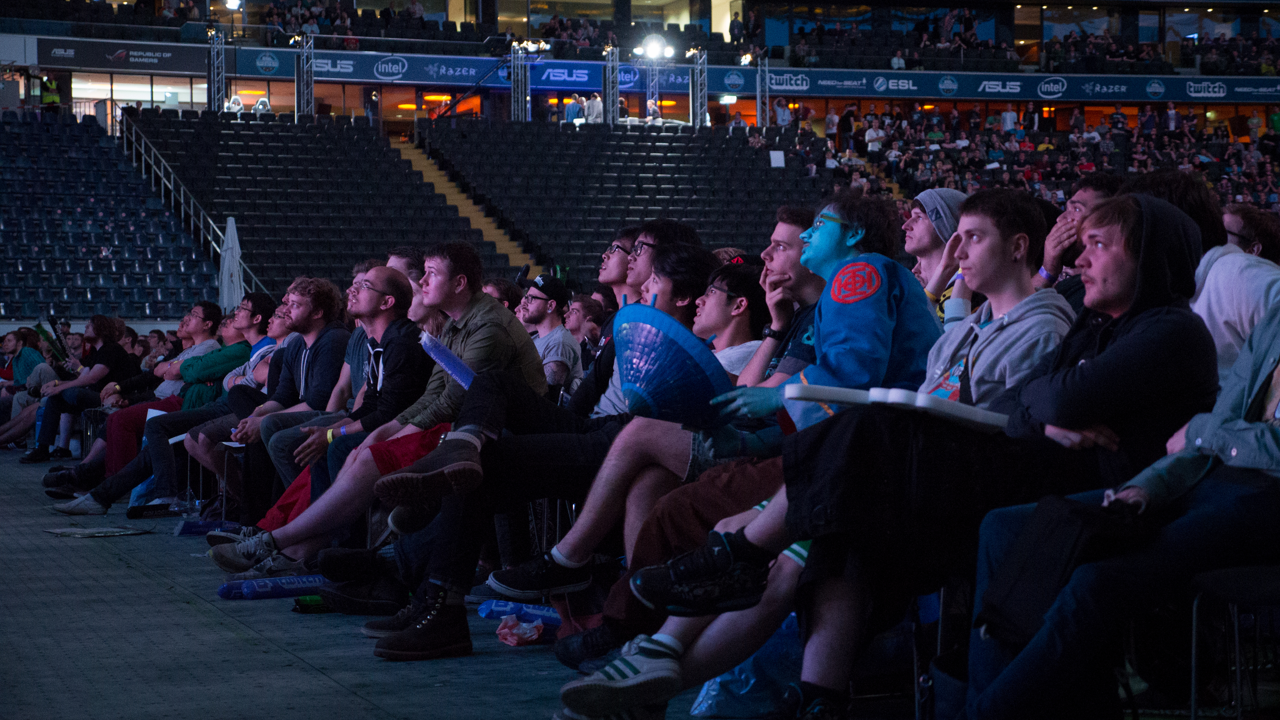
Across ten days in a single venue, the teams that thrive tend to share a trait that has nothing to do with their badge: they adjust. Group play of this kind exposes any side that leans on a narrow comfort zone, because opponents pool their information quickly and a predictable map pool becomes a liability almost overnight. The rosters that survive a group of four are usually the ones willing to abandon a plan that stopped working and improvise a new one between matches.
That is also why a preview can only frame the contest rather than call it. Nobody yet knows how the draw will land, how the agent meta will settle in Riyadh, or which fringe roster will catch fire at exactly the right moment. What is certain is the architecture: sixteen teams, four groups, two million dollars, a defending champion under pressure, and a top pool stacked with Stage 1 winners. The rest will be written on the server between 2 and 12 July.
Frequently asked questions
When and where is VALORANT at the Esports World Cup 2026?
The VALORANT competition runs from 2 to 12 July 2026 in Riyadh. Sixteen teams are split into four groups of four, competing for a prize pool of two million dollars.
Who are the defending champions?
Team Heretics arrive as the defending Esports World Cup champions, which makes them the most heavily scouted side in the field and the benchmark every rival is preparing to beat.
Which teams are in Pool 1?
Pool 1 is made up of the 2026 Stage 1 winners: Team Heretics, G2 Esports, EDward Gaming and Paper Rex. It is a seeding tier that spreads the heavyweights across the groups rather than a guarantee of any result.
The outline is set and the names are loud, but the script is blank. A defending champion facing the full weight of expectation, a top pool crowded with Stage 1 winners, and a format that punishes the slightest hesitation combine into one of the year’s most compelling ten-day windows. Keep up with every development through our latest esports news as Riyadh comes into focus.