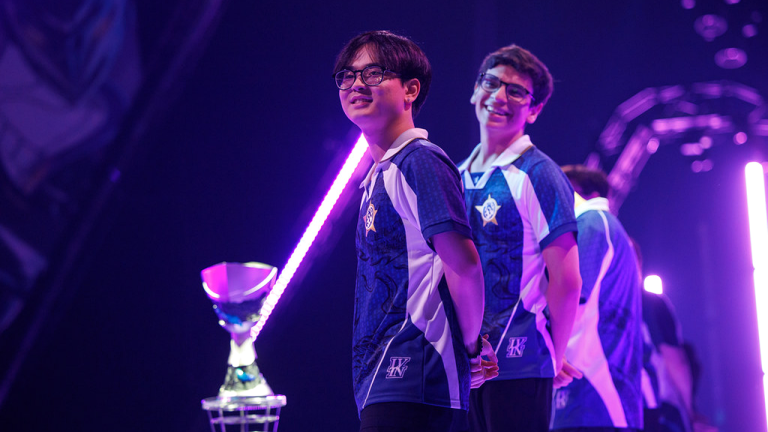
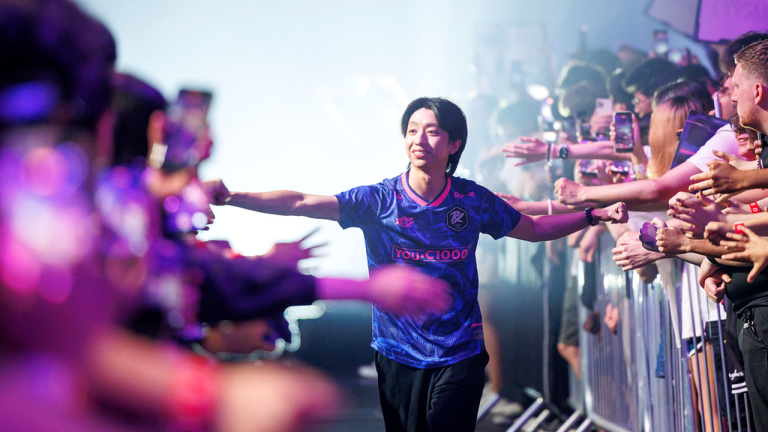
RIDDLE ORDER and IGZIST meet in the Japan finals bracket. The series should reward the team that adjusts faster.

A live series has a different kind of pressure
Previewing a match is one thing. Watching it start with one side already ahead is another. RIDDLE ORDER and IGZIST made the Japan Season Finals preliminary round an adjustment problem. The first map was no longer a prediction. It became evidence that the losing side had to answer quickly.
That makes the coaching layer more visible. Between maps, the question is not whether the original plan was good on paper. It is whether the team can identify the actual damage: site entries, retake spacing, mid-round hesitation, or economy management after the bonus round.
RIDDLE ORDER need the next map to feel different
If RIDDLE ORDER are chasing the series, the second map has to change the first-contact pattern. A team cannot simply ask for better aim and call it adaptation. It must change where fights happen, how much utility protects the first swing and whether the spike path is predictable after thirty seconds.
The most useful response is often a small one. A different default, a delayed push, or saving one piece of retake utility can make the opponent hesitate. If RIDDLE ORDER try to fix everything at once, the map may become even messier.
| Key point | Reading |
|---|---|
| Match | RIDDLE ORDER vs IGZIST, Challengers Japan Season Finals preliminary round. |
| Live context | IGZIST were ahead early in the July 5 listing. |
| RIDDLE need | A second map that changes first-contact patterns. |
| IGZIST need | Keep pressure active instead of only protecting the lead. |
IGZIST must not protect a lead too early
A first-map lead can make a team careful in the wrong way. IGZIST have to keep asking questions instead of only defending the advantage. If they stop contesting map space, RIDDLE ORDER can rebuild confidence through free information and cleaner rotations.
The stronger path is controlled pressure. Keep the early looks varied, force RIDDLE ORDER to spend utility before the hit, and avoid hero rounds when the economy already favours discipline. Closing a live series often requires the same courage that built the lead.
Japan’s bracket gets useful information
The result will matter, but the way it unfolds may matter more for the next opponent. A comeback shows resilience. A clean close shows control. A messy win shows targets. In a finals bracket, each of those readings changes how the next veto is prepared.
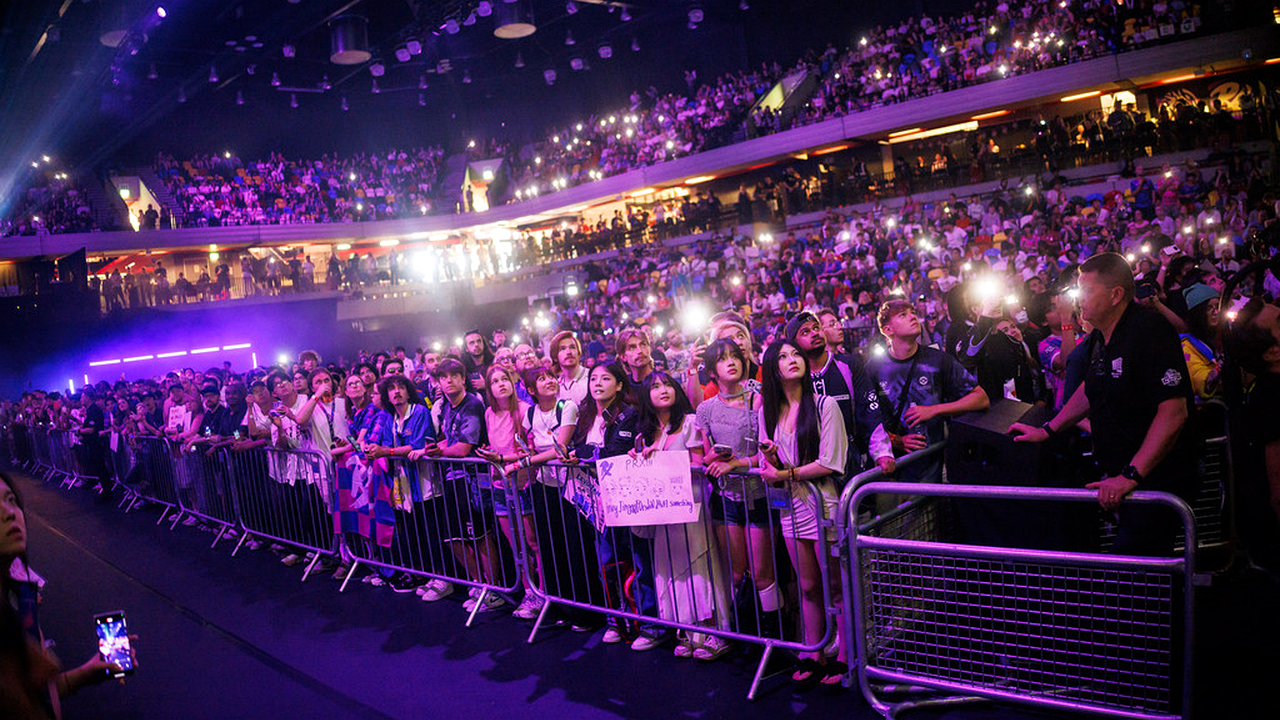
This is why RIDDLE ORDER and IGZIST deserve a sharper look than a simple live-score mention. The series is a test of whether a team can turn the first map into instruction rather than emotion. Japan’s Season Finals will quickly punish the side that fails that test.
The live scoreline makes adaptation visible
RIDDLE ORDER and IGZIST entered the Japan finals match with theory already behind them. Once the series went live, the real question became how quickly each side could identify what was actually working. In domestic finals, stubborn preparation can be as dangerous as no preparation at all.
RIDDLE ORDER need to show that their set plays can survive contact with a prepared opponent. If IGZIST read the first layer, the second call has to come quickly: change the hit timing, fake the pressure, or use the same utility to take a different part of the map.
IGZIST’s best path is to make RIDDLE ORDER spend utility before the execute point. Every delayed smoke, early drone draw or fake rotation can reduce the strength of the final hit. That kind of small economy rarely makes the highlight reel, but it wins finals rounds.
The match is useful because it shows adaptation under live pressure, not in a preview. The team that keeps solving the same map faster will leave with more than a result. It will leave with a better read on its own level.
The loser of the first map still controls the tone
If the opener goes one way, the series does not have to follow it. The better response is to identify whether the loss came from map-specific pressure or from a habit that will travel. RIDDLE ORDER and IGZIST both need that honesty, because a finals bracket gives no reward for protecting a bad read.
Information rounds can be worth more than fast starts
Some of the most valuable rounds may be the ones that reveal an opponent’s comfort rather than immediately chasing a kill. A patient default that shows where the pressure comes from can set up the next three calls. In a finals setting, information only matters if the team changes something after receiving it.