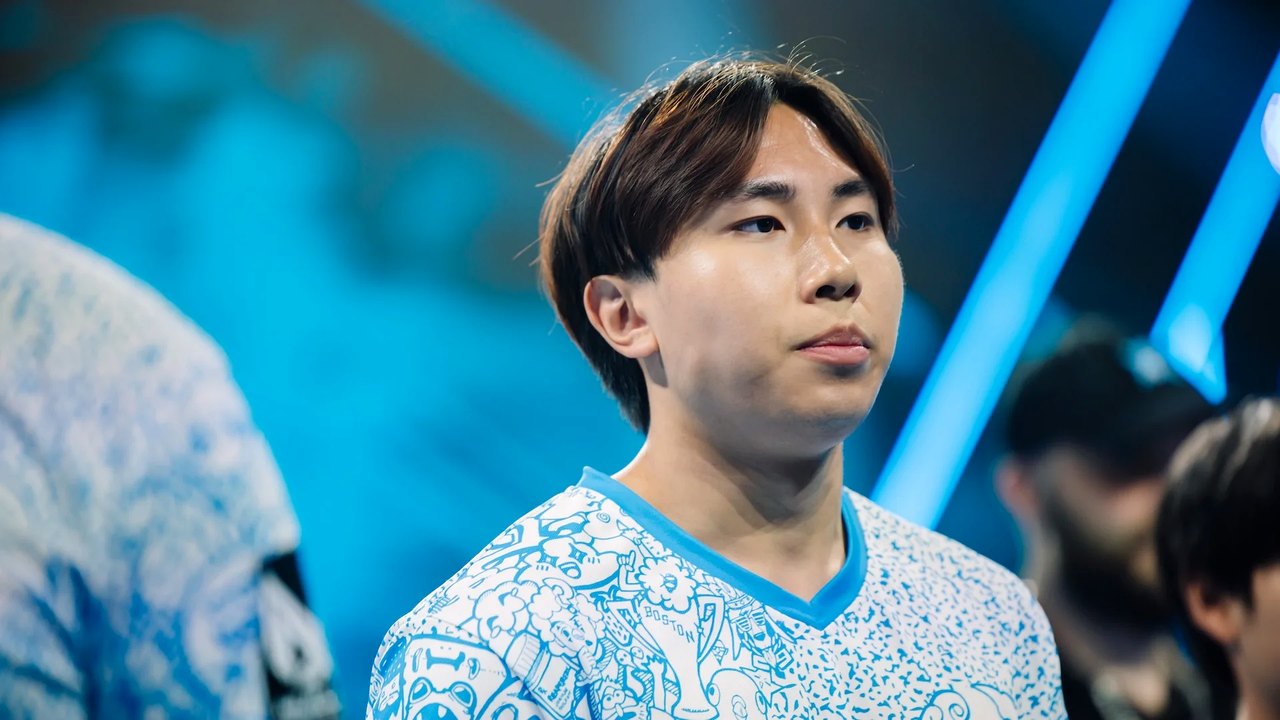
Cloud9 have moved v1c back into the active lineup while Notexxd goes to the bench. The move is less about a perfect fix and more about finding a stable voice before the season narrows.
The roster needed less noise
Cloud9’s season has been hard to read because the lineup changes have often arrived before the previous answer had time to settle. Bringing v1c back is a sign that the staff want a more familiar base. It does not solve every problem by itself, but it can reduce the amount of learning the team has to do at once. In VALORANT, that matters because hesitation can lose a round before the first kill.
Notexxd’s move to the bench should not be treated as a simple failure. Young players often enter difficult teams at the worst possible time. When the whole roster is unstable, a new player has to learn roles, comms and pressure while the results are already being judged. The change says more about Cloud9’s need for order than about one player’s ceiling.
v1c gives the team known habits
A returning player gives coaches something they can plan around quickly. v1c already knows many of the communication patterns, the pace of the team and the way the veterans want to solve mid-rounds. That can shorten the adjustment period before Stage 2 becomes unforgiving. The first goal is not to create a new identity overnight. It is to stop the rounds from feeling improvised.
Known habits are useful when the calendar is tight. A roster can spend weeks building a new set of defaults, but Cloud9 do not have endless time. Bringing back a player who understands the environment helps the staff focus on smaller fixes: better trade spacing, clearer utility use and more confidence in the first plan on attack.
| Cloud9 note | Main note |
|---|---|
| Move | v1c returns to the active roster and Notexxd moves to the bench. |
| Reason | Cloud9 need faster stability before the next stage becomes decisive. |
| First target | Cleaner second calls and stronger defensive spacing matter most. |
Also read: GIANTX hand neT the voice role before Stage 2 narrows the path. More news: EWC semifinals put 100 Thieves and Nongshim on a clean collision course.
The attack has to become easier to follow
Cloud9 have often looked most vulnerable when an opening idea fails. The next version needs a simpler second call. If the early contact does not work, the team should know whether it is resetting, splitting the site or ending through a late lurk. Long pauses without information make the final hit too easy to read. That is where a stable roster can help.
v1c does not need to become the loudest player every round to improve that. He needs to make his role reliable enough that the caller can trust the map. If a lurk is meant to hold a rotation, it has to be there. If a site hit needs a utility layer, it has to arrive on time. Small reliability can make the whole attack look more professional.
The defence cannot chase confidence
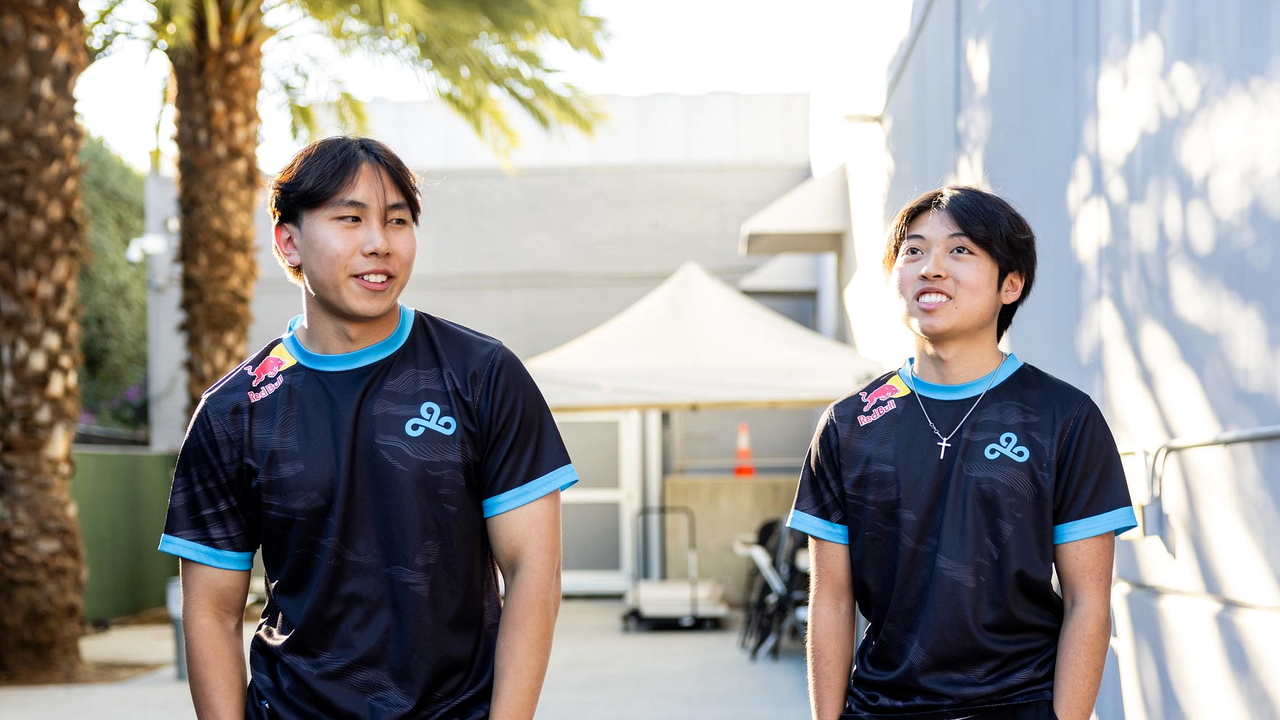
On defence, Cloud9 need to avoid overcorrecting. A team coming off poor results can start taking too many early fights because it wants to prove energy. That usually creates gaps. The better defensive version uses information pushes with clear support and then falls back into crossfires. The goal is to make opponents spend utility before they see the site.
The returning player can help if he gives the team a steadier read on one side of the map. Defenders do not always need heroic holds. They need to delay, survive and let the rotation arrive. If Cloud9 can turn more first contacts into traded rounds instead of full site collapses, the move will already have practical value.
Management still has to own the pattern
The concern for fans is not only the five names in the server. It is the wider pattern of changes. A roster can lose trust if players feel every bad stretch may lead to another shuffle. Cloud9 now have to show that this move is part of a clear plan, not another reaction. Players perform better when they know what the next month is meant to build.
That does not mean the organisation should ignore results. It means the staff must define the reason for the lineup and let the team work toward it. If v1c returns for structure, then practice should reflect structure. If the focus is stronger late-round calling, the maps and reviews should point toward that. The message has to be consistent. That message also has to reach the players before match day. A roster that hears one plan in review and another plan under pressure will hesitate. Cloud9 need the same priorities in practice, timeout and post-map talk.
The answer is on the server
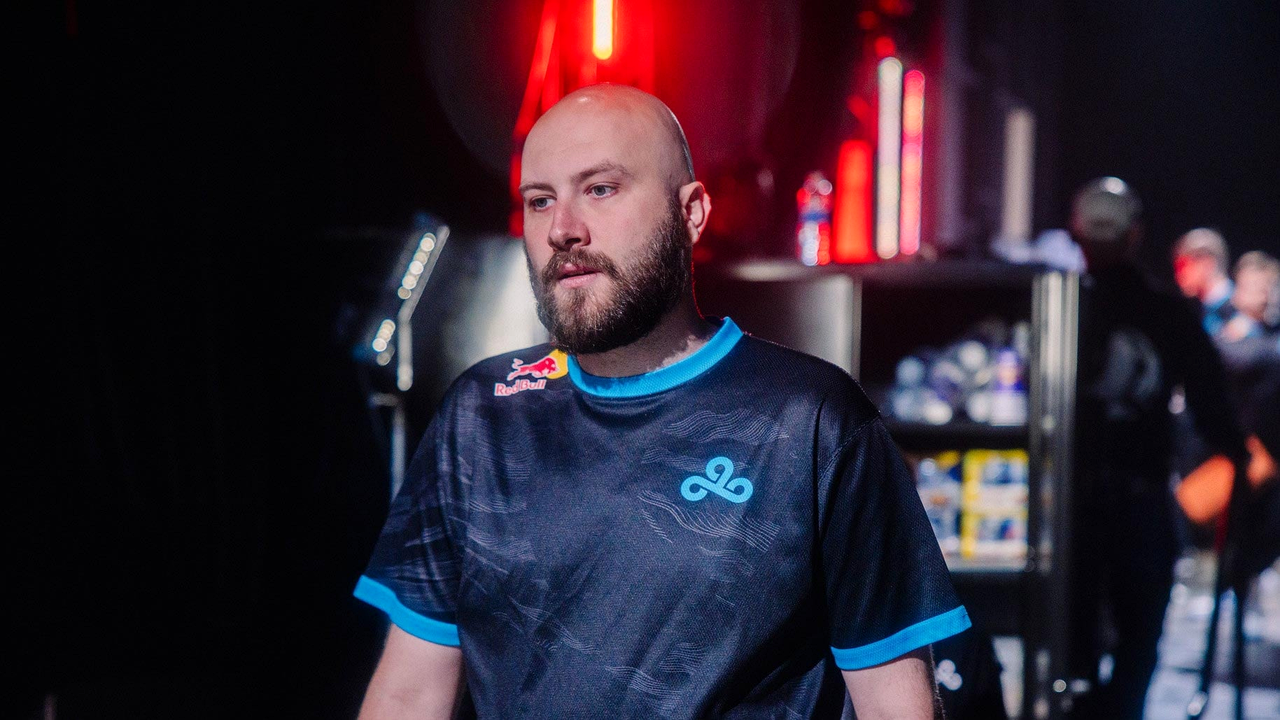
Cloud9’s change will be judged quickly because the competitive window gives little room for patience. The team do not need to look perfect in the first match back. They need to look easier to understand. Fans should be able to see cleaner spacing, faster second calls and fewer rounds where five players seem to be solving five different problems. A smaller plan can still be strong if every player reaches it at the same time.
That is a realistic first target. v1c’s return can steady the roster, but only if the rest of the team accepts the simpler plan. Cloud9 have enough individual talent to win rounds. The question is whether they can make those rounds repeatable. A familiar player helps, yet the real fix is turning familiarity into better decisions. The first good sign would be fewer rounds where the last two players look unsure of the same call.


