Gen.G have changed the shape of their Valorant roster by bringing in Efina and Raxcal. The move mixes an experienced voice with a promoted academy player, so the next test is about structure, not only names.
The reset has two jobs
VLR reported the additions to a lineup that already includes Ash, Karon and t3xture. That matters because the Korean side is not making a tiny bench move. It is trying to rebuild the way the five players speak, start rounds and recover after a lost fight.
Efina gives the group another senior voice. Raxcal brings the academy route into the main team. Those are different bets, and they will need different kinds of patience from the staff.
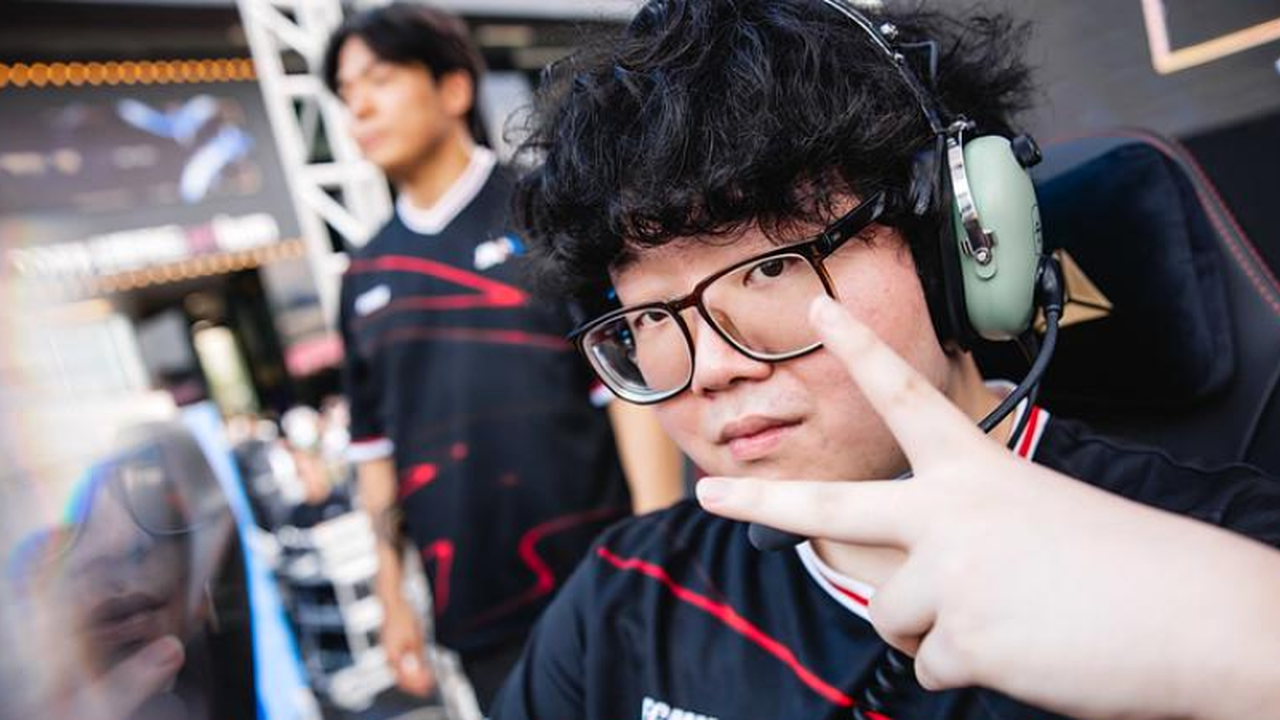
The first useful sign will not be a loud debut. It will be a map where the new five repeat the same ideas without looking rushed.
Efina changes the voice in the room
A roster can add firepower and still feel unclear if nobody knows who owns the middle of the round. That is why Efina’s role is important. He does not only arrive as another player on the server.
The side need someone who can keep a plan alive after the opening duel goes wrong. A calm call after thirty seconds can save more rounds than one highlight entry.
If the new voice makes the stars use less energy on solving every late moment, the move will start to make practical sense.
| Gen.G note | Main note |
|---|---|
| Roster move | Efina and Raxcal join Gen.G. |
| Experience angle | Efina brings a leadership profile. |
| Development angle | Raxcal rises from Gen.G Global Academy. |
| First question | How quickly the new core communicates under pressure. |
Also read: ZynX Wrist Injury Leaves Gen.G Planning Beyond 2026. More news: Paper Rex Champions Ticket Adds a Stable Marker Before the Summer Rush.
Raxcal should get a real path
A promoted academy player needs more than a short trial. The staff have to give him clear spaces on the map, repeatable utility tasks and a review process that does not change after every lost series.
That is the only way to learn whether the promotion can hold at VCT level. A young player can look nervous when the role is blurred, even if the raw skill is ready.
The better approach is simple: protect the tasks early, then widen the role when the official rounds show what he can handle.
The stars need cleaner space
This roster still leans on t3xture’s threat and Karon’s stability. The new pieces should make their work easier, not turn every map into a search for individual rescue plays.
If defaults become cleaner, the star players can enter key fights with more information. If the system stays loose, the talent will keep spending energy on problems that should be solved before contact.

That is why the reset is really about spacing and rhythm. The names are only the front door to that work.
Communication is the first pressure point
Rivals will test the middle rounds quickly. New rosters often lose shape when the first call fails, and Pacific teams are good at finding that hesitation.
The answer should come through simple habits: clear trading rules, fast rotation language and fewer late calls that ask one player to read the whole map alone.
A map can be close and still reveal progress if the team loses rounds for clear reasons instead of confused ones.
The academy idea has to be real
The promotion route only matters if the organization treats it as more than a slogan. Raxcal’s place in the lineup should give the academy system a direct link to the main project.
That means coaches must be honest about the early mistakes while still giving the player enough rounds to settle. Cutting the role too quickly would waste the point of the move.
If the pathway works, the club gains more than one player. It gains a way to refresh the roster without searching the market every time.
The first result should stay in scale
One opening match will not tell the whole story. A clean win can hide small communication issues, and a loss can still include signs that the new core is learning in the right order.
The review should focus on repeatable parts. Did the side enter sites with a shared timer? Did late rounds have one clear plan? Did the young player know where help was coming from?
Those questions are more useful than a quick verdict on whether the rebuild has already worked.
What would make the move look strong
The best early version is not complicated. Efina brings order, Raxcal handles a defined role, and the established names get cleaner lanes to decide rounds.
If that happens, the roster will look less like a collection of changes and more like a planned reset. The table can wait; the first target is a team that understands itself.
That is the fair read for now. The move has enough logic to matter, but the server still has to prove that the logic travels under pressure.


