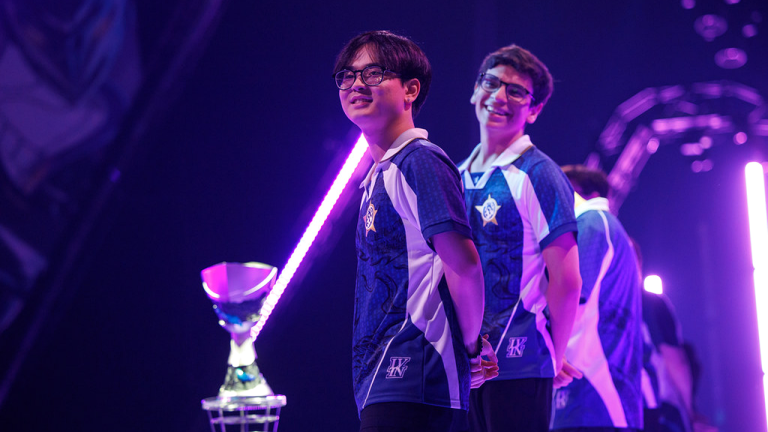
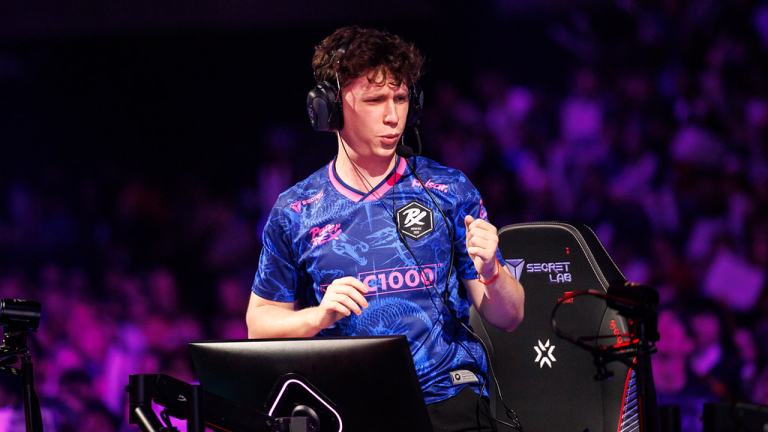
REBORN and Joblife meet in the EMEA Stage 3 lower final with the bracket’s mood already changed: the match is no longer about proving form, but about keeping a promotion path alive under elimination pressure.
The lower final is a different tournament
By the time a Challengers bracket reaches a lower final, style points have lost value. REBORN and Joblife have enough information on each other and enough pressure from the bracket to make the match more about correction than discovery. The team that repeats an old mistake first will be the team that spends the rest of the map chasing.
This is where Stage 3 becomes heavier than a normal regional match. A win keeps the promotion conversation alive. A loss turns every earlier good sign into background. That pressure can sharpen teams, but it can also make them over-value safe rounds that never actually take map control.
REBORN need stable early maps
REBORN’s first job is to prevent the match from becoming a Joblife tempo script. If they allow early picks to decide rotations, their defensive halves will become too reactive. Stronger early information and cleaner utility layering can make Joblife spend more before they get to the site.
The attack side has to be equally deliberate. REBORN should not confuse slow defaults with control. They need pressure points that force Joblife to show where the help is coming from. If the map stays too quiet for too long, Joblife can hold utility and win the final thirty seconds.
| Key point | Reading |
|---|---|
| Event | Challengers EMEA Stage 3 lower final. |
| Teams | REBORN vs Joblife. |
| Stakes | Winner keeps the promotion path alive. |
| Match hinge | Timeout quality and late-round control. |
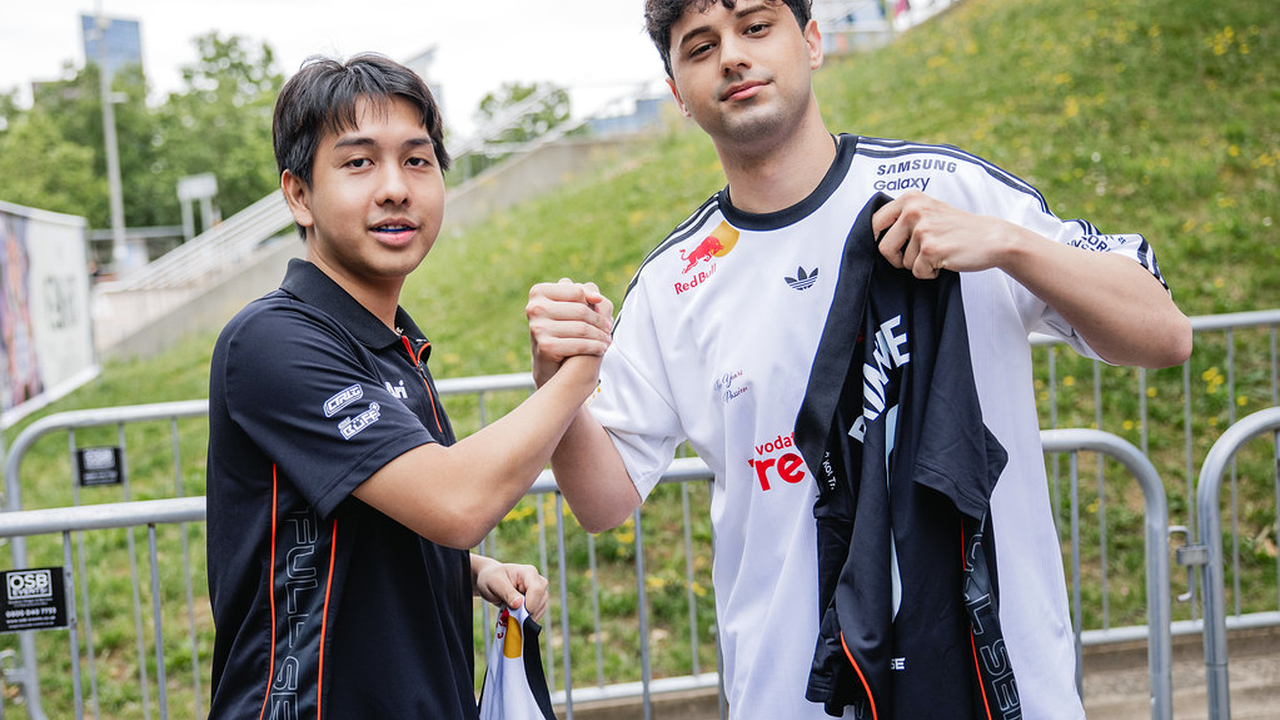
Joblife’s closing quality is the question
Joblife have the tools to make a lower final uncomfortable, especially if they win the first map. The question is whether they can close without tightening. Elimination series often show teams who build leads through momentum but lose structure when the opponent finally resists.
Their best rounds should feature patient contact, late utility and disciplined post-plants. Their worst rounds will be the ones where a first kill leads to a second peek with no trade path. Against REBORN, that difference may define the series.
Promotion pressure rewards clarity
The winning team does not have to reveal everything, but it does need to show a plan that can survive pressure from a better-prepared opponent. The next step in a promotion path will not be kinder. A lower-final win built only on heroics may not travel.
The best sign will be timeout quality. If either side can lose a run of rounds, pause, and return with a cleaner call, that says more about promotion readiness than one spectacular clutch. REBORN and Joblife are playing for that kind of proof now.
Promotion pressure changes every timeout
A lower final tied to promotion pressure has a different emotional weight from a normal bracket match. Coaches are not just fixing the current map; they are protecting months of work. That can make timeouts more conservative, but the better teams use them to name the exact problem and return with a visible change.
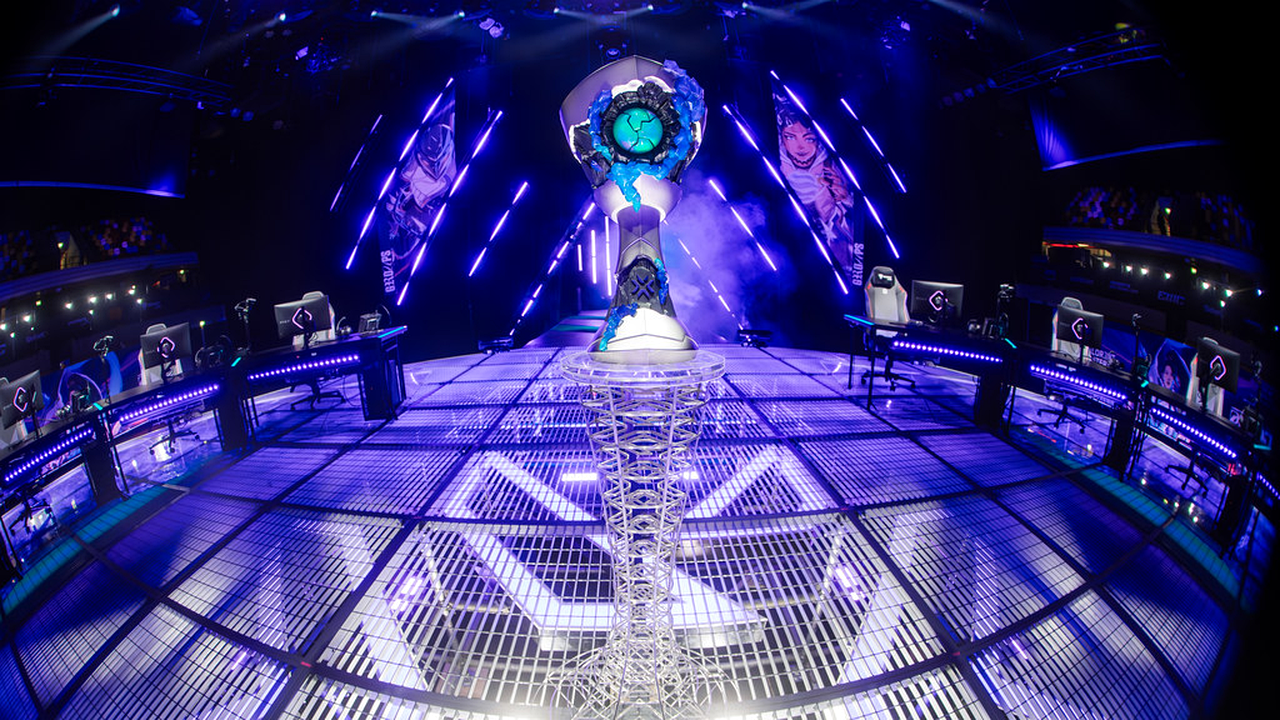
REBORN’s best sign would be a defensive half where information is gathered without repeated over-peeks. Joblife’s best sign would be closing a lead without turning the final rounds into isolated hero plays. Both teams have enough to create pressure. The question is who can keep pressure organized.
This is also the kind of match where role clarity matters. If a duelist entry is late, if a sentinel rotates too soon, or if controller utility arrives after the hit has already started, the round can fall apart with no dramatic mistake. Promotion-ready teams reduce those quiet errors.
Late defaults need a clear owner
When pressure rises, late-round defaults can become leaderless. REBORN and Joblife need a clear voice for the final thirty seconds: who calls the pivot, who cancels the hit, who decides whether the spike rotates. Without that ownership, good early-round work can evaporate.
That is especially important in a lower final. Teams often lose not because the first plan was wrong, but because nobody owns the second plan after resistance appears. Promotion-level VALORANT needs that second plan to sound calm.
A small edge in mid control can snowball
Mid control will be especially valuable because it gives the caller not just one late path. If either side gives up that information too freely, the opponent can slow the round, pull rotations and turn promotion pressure into a positioning advantage.