DH has returned to T1’s main roster, giving the Korean side a direct roster change before the next stage of play. The move is small in wording, but it can change role balance quickly.

A return can be more than a name move
A player returning to the main roster is not always a simple reversal. It can change practice structure, agent comfort and how the team handles early rounds. DH coming back gives T1 a player the environment already knows, which can reduce the usual delay that comes with new signings.
That familiarity is useful only if the role is clear. A return without a clear job can create the same confusion as a new arrival. T1 need to know what DH is solving, not only that he is available again.
T1 need stability after the change
The biggest value of a roster move is often stability after the announcement. If the team spends several weeks still testing basic roles, the move becomes expensive. T1 should aim to make the first practice block simple and direct.
That means agent pools, map roles and communication responsibilities have to be settled quickly. DH can help if he enters a defined space. If he has to cover too many uncertain areas, the roster change may slow the team before it helps.
| DH point | Main note |
|---|---|
| Team | T1. |
| Move | DH returned to the main roster. |
| Main need | Clear role definition after the change. |
| A Korean roster move | A Korean roster update, not an EWC match preview. |
Also read: Wolves Complete Stage 2 Roster With Deryeon Signing. More news: Evil Geniuses Release C0M and Okeanos After Short Bench Spell.
The Korean field will read the timing
Roster timing matters in Korea because the regional field punishes slow starts. Teams know each other well, and one uncertain player role can become a target. Opponents will watch where DH stands, how he rotates and whether T1 look comfortable in retakes.
That does not mean T1 should hide the change. It means they should make the change look natural as soon as possible. A returning player should help the team feel familiar, not make it easier to scout.
The move is not an EWC story
DH’s return is a T1 roster update, not a Paris playoff angle. The value will be measured in role clarity, practice rhythm and cleaner maps once the team returns to official play.
That variety matters for readers. Some want bracket matches. Others want roster movement that explains where teams may go next. DH returning to T1 answers the second need.
The next matches will define the value
The announcement itself does not prove that T1 are stronger. The first matches after the return will show whether the team gained comfort or only changed names. Good roster moves become visible in round quality, not social posts.
For DH, the job is simple to state and hard to do. Fit back in quickly, make the role look natural, and give T1 a reason to keep the structure stable. If that happens, the return will look like a practical fix.
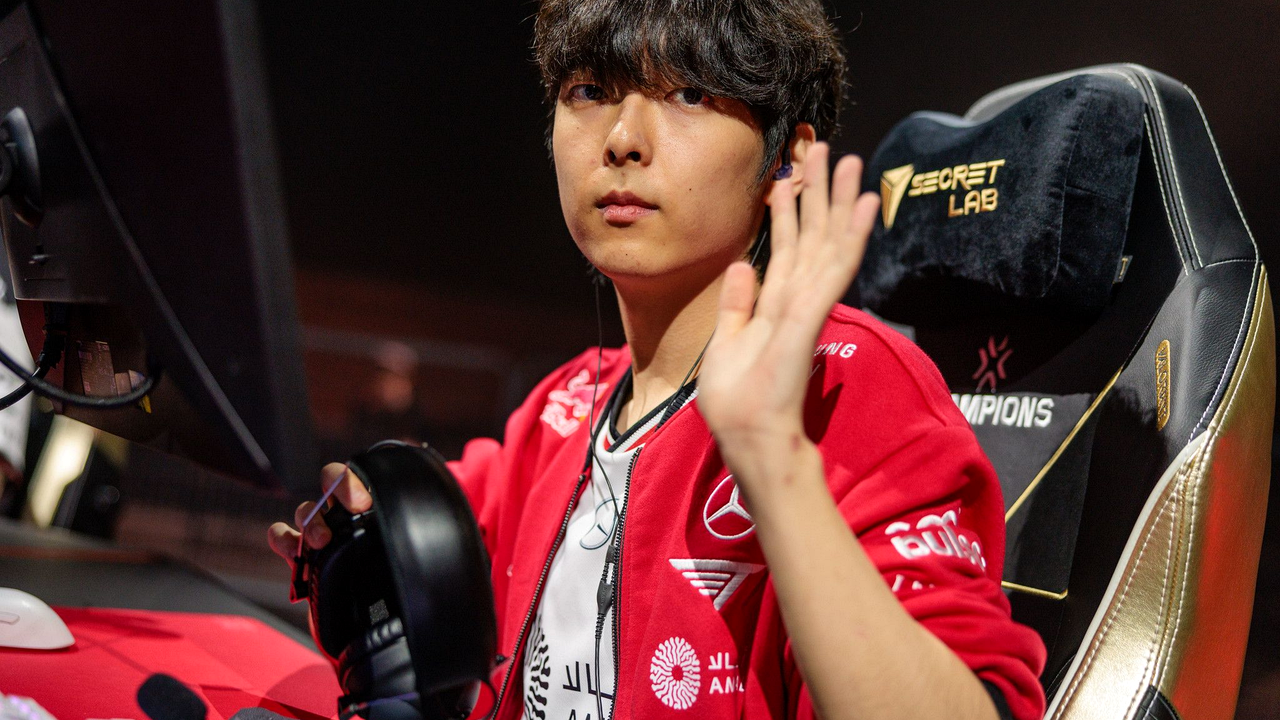
Why the return must be measured
T1 should not judge the return by the first highlight. The better measure is whether the team loses fewer confused rounds. A returning player can improve structure if he knows when to speak, when to take space and when to let the current in-game leader finish the plan.
The early matches should therefore be watched for small signs: cleaner trades, faster rotations and fewer utility overlaps. If those details improve, DH’s return will look meaningful even before the scoreboard produces a major upset.
Communication layer
Communication will be the hidden test for DH. A returning player may know the system, but he still has to match the current voices inside the server. If instructions overlap or arrive late, the return can feel clumsy. If he slots into the rhythm quickly, T1 gain more than a player. They gain a cleaner voice in rounds that used to stall.
Map pool
The map pool will show how quickly DH is integrated. T1 may keep the early selection narrow to protect comfort, then expand once the role settles. That is sensible. A returning player does not need every map on day one. He needs the first maps to look clean enough that the rest can be added without panic.
Stage pressure
The return will be judged faster than a normal signing because T1 already know DH. Fans will expect less adjustment time. That is fair to a point, but the current roster still has its own rhythm. The first test is whether the old familiarity fits the new version of the team.


