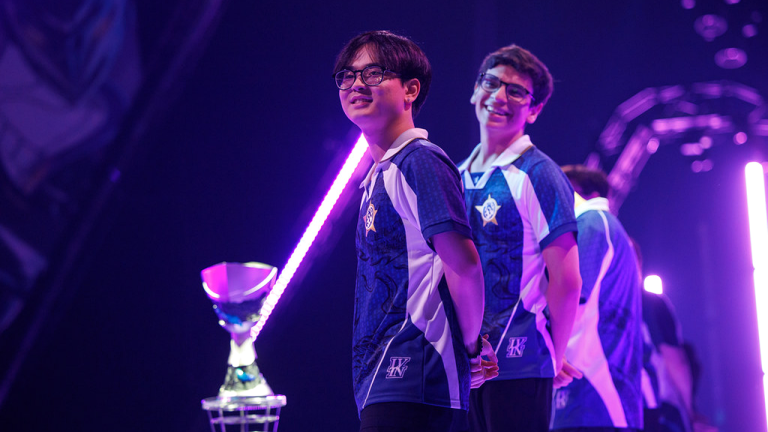
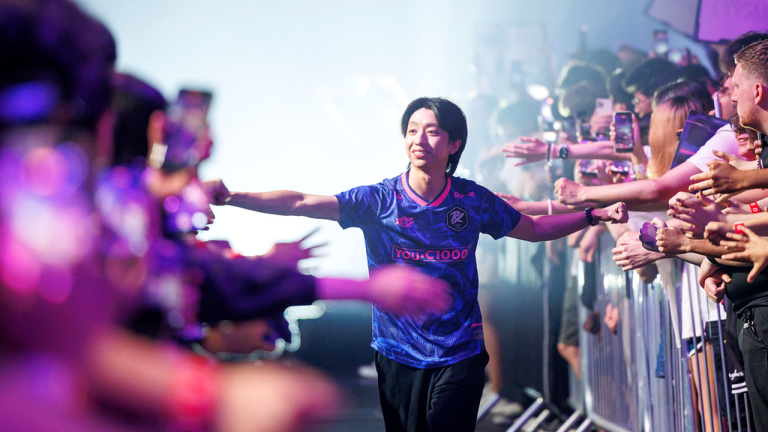
Challengers Japan’s 2026 Season Finals open in July with REJECT and QT DIG waiting in the bracket, turning Arena Tachikawa Tachihi into a promotion-pressure test for the region’s strongest remaining teams.
Japan’s finals arrive with a clear prize beyond money
The listed prize pool gives the event a formal shape, but the real value is competitive position. Challengers Japan’s Season Finals sit inside a region where recognition, promotion pathways and VCT Pacific attention matter deeply. A strong July run can change how a roster is discussed for the rest of the year.
VCT Pacific stage pressure has already made regional results feel more connected to the wider calendar. Japan’s finals are therefore not a local side note. They are a test of which teams can carry domestic identity into matches that may decide their next level of opportunity.
REJECT and QT DIG carry different expectations
REJECT enter the finals with the weight of a known name and a semifinal position that makes anything short of contention feel like a problem. That status can be useful because it gives players confidence in their structure. It can also become heavy if the opening opponent plays freely and forces the favourite into uncomfortable retakes.
QT DIG carry a different kind of pressure. Their bracket position gives them time to prepare, but it also removes some excuses. They should arrive with specific plans for the teams coming through the earlier matches. If they look surprised by veto choices or pistol aggression, the advantage of waiting in the bracket will feel wasted.
| Key point | Reading |
|---|---|
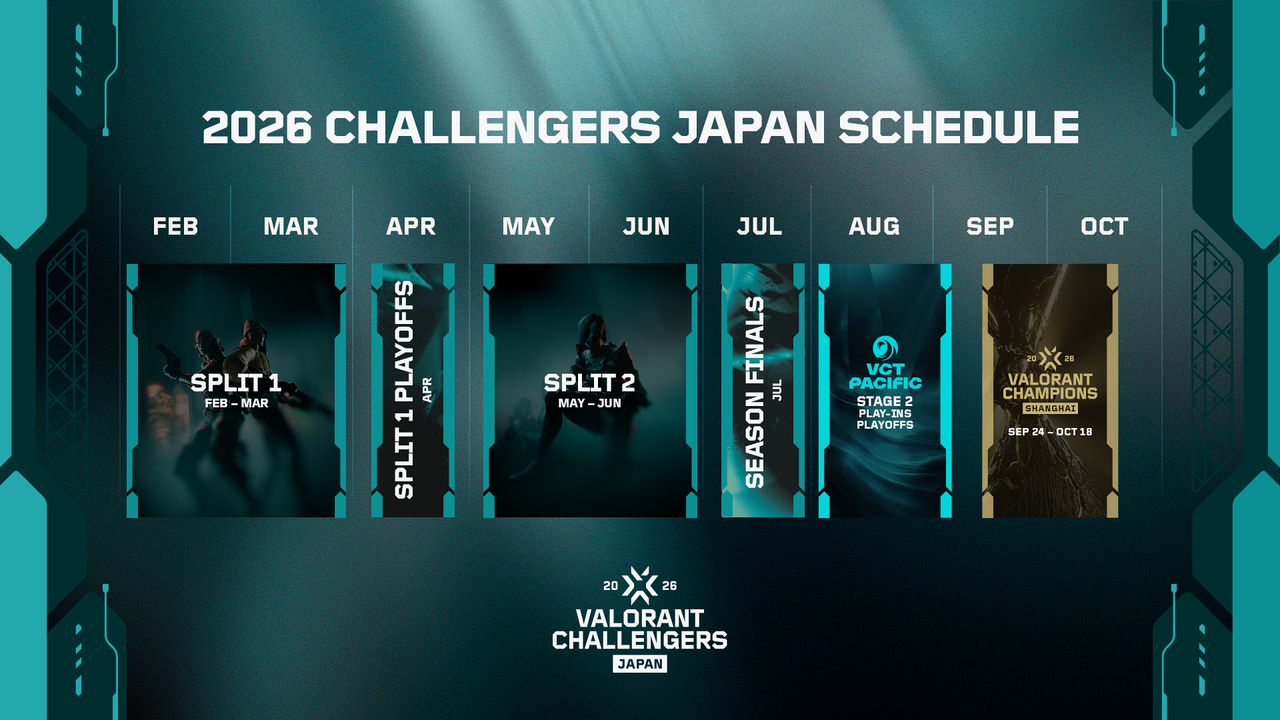
| Event window | July 4-26, 2026. |
| Venue | Arena Tachikawa Tachihi, Tokyo. |
| Prize listing | 2,400,000 yen on VLR’s event page. |
| Bracket signal | REJECT and QT DIG are positioned as known semifinal seeds. |
Arena Tachikawa changes the match texture
A venue changes how regional VALORANT feels. Online rhythm often hides small communication delays because teams are in familiar environments. A stage introduces sound, timing and emotional response from the crowd. Japan’s best teams need to show that their protocols survive when every clutch is louder.
That matters especially for younger players who have looked strong across regular play. Season Finals are not only a talent filter. They are a stage filter. The teams that keep trading properly after losing a loud pistol round will tell analysts more than the teams that only look clean when the score is already comfortable.
The map pool must be more than a comfort zone
Japanese teams often bring careful structure, but finals can punish caution if the map pool is narrow. Opponents will spend the week removing the most obvious strengths and asking whether defaults still work on less preferred maps. The winner will likely be the side that can keep mid-round calls clear after the veto removes its first plan.
That is where agent flexibility becomes a real advantage. A player who can move between supportive and proactive roles gives coaches more room to solve the bracket. Rigid compositions may look rehearsed, but they become brittle if the opponent finds the first fracture.
Regional pride needs tactical evidence
Japan has a loyal VALORANT audience, and that audience can make domestic finals feel larger than the bracket page suggests. Pride alone will not make the event strong. The matches need tactical evidence: clean spacing, disciplined utility and the ability to adjust before a map gets away.
Game Changers SEA and other Pacific stories show how quickly regional scenes can gain momentum when their finals produce convincing play. Japan’s Season Finals have the same chance. A tight, intelligent bracket would make the region feel dangerous before the next Pacific step.
A July test with long memory
The strongest team in Tokyo will not only lift a local result. It will leave with footage that VCT staff, rivals and fans can use to judge whether Japan’s Challenger level is rising. That makes every semifinal and final round more valuable than the prize listing.
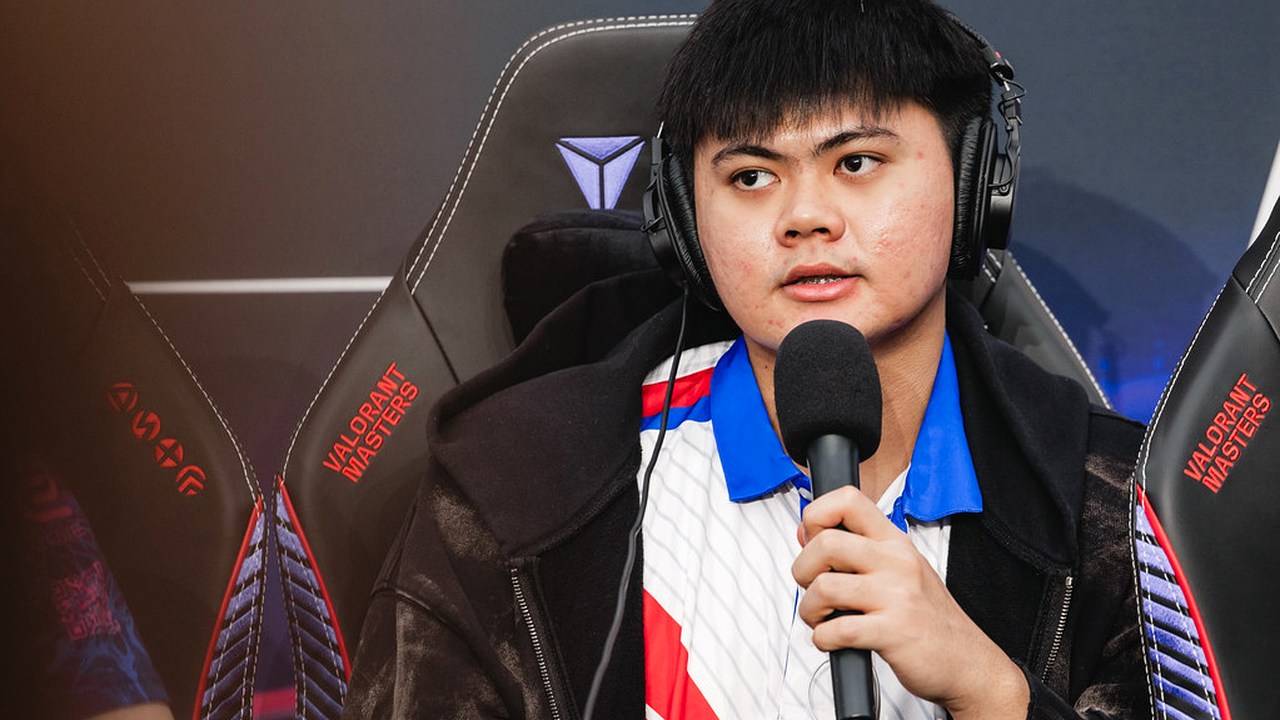
REJECT and QT DIG are the obvious names to watch, but the event’s best story may come from the team that forces them to reveal something uncomfortable. Season Finals are designed to remove soft assumptions. By late July, Japan should know who is genuinely ready for the next door.
The bracket can expose stage patience
Season Finals often test patience before they test peak skill. A favourite may start slowly because it is waiting for the opponent to reveal too much. An underdog may swing early because it knows a long tactical match favours the higher seed. Japan’s bracket will expose which teams can sit inside that tension without rushing the wrong fight. The first half of each map may be less about domination than about information discipline.
That stage patience is especially important for REJECT and QT DIG. Waiting deeper in the bracket gives them more film, but it can also make the first live map feel abrupt. Opponents coming from earlier rounds will already have LAN rhythm. The semifinal seeds need to match that energy without abandoning preparation. If they survive the opening emotional hit, their deeper map work should begin to tell.