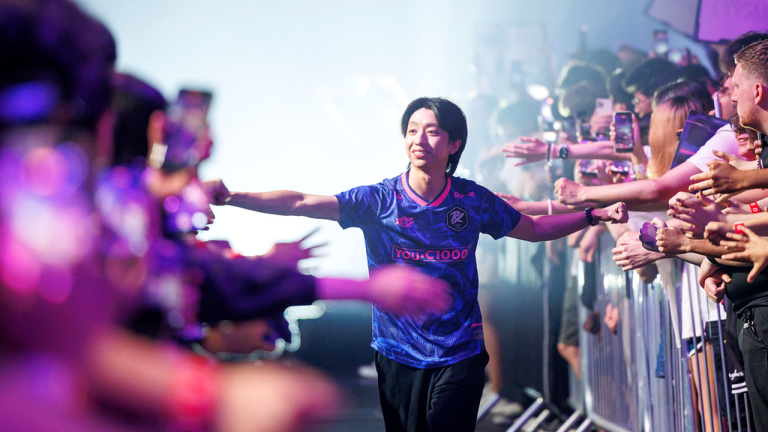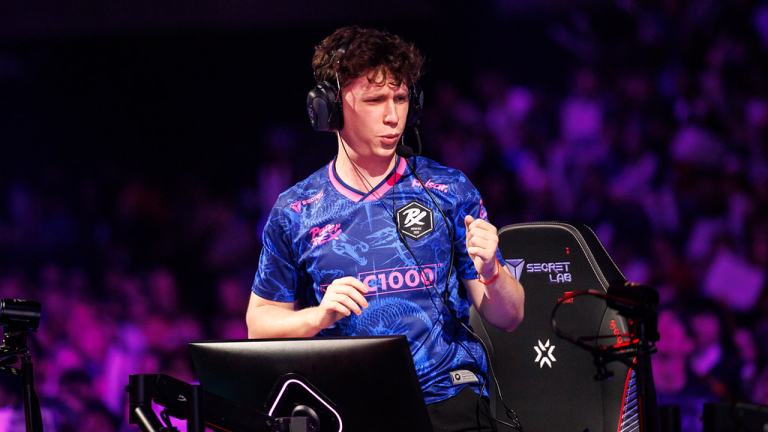
Game Changers Latin America North Stage 2 continues into July with a six-team race, a $200,000 MXN prize pool and a July 1 match chance involving No Sweat Blossom and FUSION X.
A small field can be more ruthless
Game Changers Latin America North Stage 2 does not need a huge field to create pressure. Six teams are enough when every result affects the shape of the bracket and every opponent is familiar enough to arrive with targeted preparation. The July 1 chance involving No Sweat Blossom and FUSION X gives the stage a concrete checkpoint rather than a broad ecosystem note.
The prize pool listed at $200,000 MXN gives the event material value, but the competitive value is larger. Game Changers teams are constantly judged on whether they can turn regional experience into consistent, broadcast-ready series. A six-team stage strips away excuses. There are fewer unknowns and more responsibility to deliver the basics.
Blossom and FUSION X carry different kinds of expectation
No Sweat Blossom and FUSION X enter the July chance with the kind of matchup that can affect confidence beyond one result. A win can settle roles and map order before the final stage days. A loss can force staff to question whether their comfort picks are actually comfort picks or just habits that opponents have already solved.
That distinction matters in Game Changers because many teams know each other’s tendencies extremely well. Familiar opponents punish lazy defaults. If a team starts the same way on defence, repeats the same late-round utility or leans too hard on one duelist opening path, the counter will arrive quickly.
| Key point | Reading |
|---|---|
| Event | VCT 2026: Game Changers Latin America North — Stage 2. |
| Dates | May 4 to July 14 according to Liquipedia. |
| Teams | Six teams remain inside the Stage 2 structure. |
| July 1 hook | The listed schedule places No Sweat Blossom vs FUSION X in the July 1 chance. |
The regional calendar has become connected
Game Changers SEA and Oceania both produced late-June stories, and Latin America North now keeps the July thread moving. That wider context is important. The scene feels healthier when each region has its own live stakes instead of waiting for one international event to provide meaning.
For a site reader, that means Latin America North deserves coverage on its own terms. This is not a placeholder beside VCT. It is a bracket with teams trying to build identity, fan memory and enough performance evidence to matter when larger Game Changers comparisons begin.
Map control is the first serious measurement
The safest way to read this stage is through map control. Which teams protect their best looks without becoming predictable? Which teams can play a weaker map without collapsing on pistol losses? Which teams use timeouts to break momentum rather than simply pause after the match is already gone?

Those questions are more useful than a generic claim about pressure. A July 1 match can swing on one defensive half, but the long-term lesson sits in the structure behind it. Teams that keep the same spacing, trade patterns and utility timing under stress are the ones most likely to reach the later stage with belief intact.
Broadcast quality is part of competitive growth
Game Changers events also have to build trust with viewers. Clean series, clear storylines and recognisable team identities make it easier for fans to return. That does not mean every match has to be perfect. It means the competitive stakes need to be legible, and July’s schedule gives LATAM North a useful chance to show that.
FUSION X and Blossom can help by giving the stage a match that feels consequential from the first pistol. A messy win still counts, but a structured win travels further. It tells viewers the team has a real language, not just good aim across isolated rounds.

July is where the stage has to stop being theoretical
The opening weeks of a stage can be explained through potential: rosters settling, maps changing, roles developing. By July, the explanations need to become results. Latin America North is at that point now. The teams have enough information, enough opponent footage and enough stage history to be judged more directly.
That is why the July 1 chance matters. It compresses the stage into a sharper question: which team can convert preparation into a result while the bracket is still flexible enough to reward it? The answer will not decide the whole region by itself, but it will make the final stretch much easier to read.
Related context: Game Changers SEA Split 2 and Game Changers Oceania Split 2.