Hunger and Heartbreak: How EMEA and Pacific Plan to End Americas’ Reign at Champions 2026
When Leviatan hoisted the trophy at the Copper Box Arena on 21 June — defeating Paper Rex 3-2 in one of the most dramatic grand finals in VCT history — the Americas region made its statement of intent loud and clear.
With Neon crowned MVP and Leviatan returning to Shanghai as defending-champion-elect of the mid-season circuit, the road to the Valorant Champions 2026 title looks, on paper, like it runs through South America.
But paper is exactly where that narrative belongs, because EMEA and Pacific squads arrive in Shanghai with more motivation, more depth, and more tactical variety than at any previous Champions.
The 16-team field that descends on Shanghai between 24 September and 18 October will contest a $2.25 million prize pool with everything on the line. Americas may carry the psychological advantage of having just won Masters London, but psychological advantages erode the moment the first pistol round fires on LAN.
Below is a region-by-region breakdown of every EMEA and Pacific qualifier, their realistic ceiling, and the specific reasons they could be the team that finally breaks Americas’ grip on the VCT’s biggest stage.
Paper Rex: Runner-Up Fire and Unfinished Business
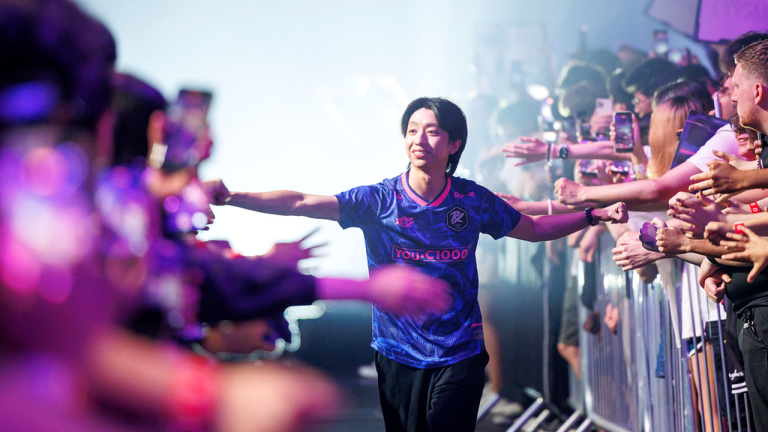
No team enters Champions 2026 carrying more narrative weight than Paper Rex. The Singapore-based franchise pushed Leviatan to five maps in London, matching them blow for blow in a grand final that had the Copper Box on its feet for the better part of four hours.
Losing 3-2 when you are that close to glory does one of two things to a squad: it breaks them, or it makes them obsessively better. Every signal out of the Paper Rex camp points to the latter.
PRX’s brand of hyper-aggressive, creativity-first Valorant is uniquely difficult to prepare for. Opponents can study their VODs obsessively and still find themselves on the wrong end of an off-angle or an unconventional execute that exists nowhere in the scouting report.
That unpredictability is a structural advantage at Champions, where bracket positioning means you can face any region at any stage.
At Masters London they proved they could match the best Americas team across five maps; the logical conclusion is that in Shanghai, with more preparation time and the hunger of a near-miss fuelling every practice session, they are the single most dangerous non-Americas team in the world.
You can read more about their trajectory through the mid-season circuit and what that runner-up finish means for their Shanghai preparations over at our Paper Rex bounce-back and path to Champions Shanghai deep-dive, which covers the tactical and roster adjustments they are expected to make before the tournament begins.
EMEA’s Qualified Contingent: Depth Over a Single Banner-Carrier
EMEA’s great strength heading into Champions 2026 is that it does not rely on one superteam to carry the region’s hopes.
The European and Middle Eastern bracket at VCT has consistently produced its most interesting Champions runs when multiple teams reach the knockout stages independently, creating the possibility of an all-EMEA semi-final that forces the region’s best ideas against each other before the title round.
This year’s qualified EMEA roster reflects exactly that kind of pluralism.
Teams from the EMEA league arrive with contrasting styles that make them genuinely difficult to counter-prepare for as a bloc. Where some rosters lean on structured, default-heavy setups built around deep map pools, others play a more reactive, read-and-adapt style reminiscent of the European CS tradition.
That stylistic breadth is a collective asset: any opponent who thinks they have solved “how EMEA plays” will encounter a different answer in the very next match.
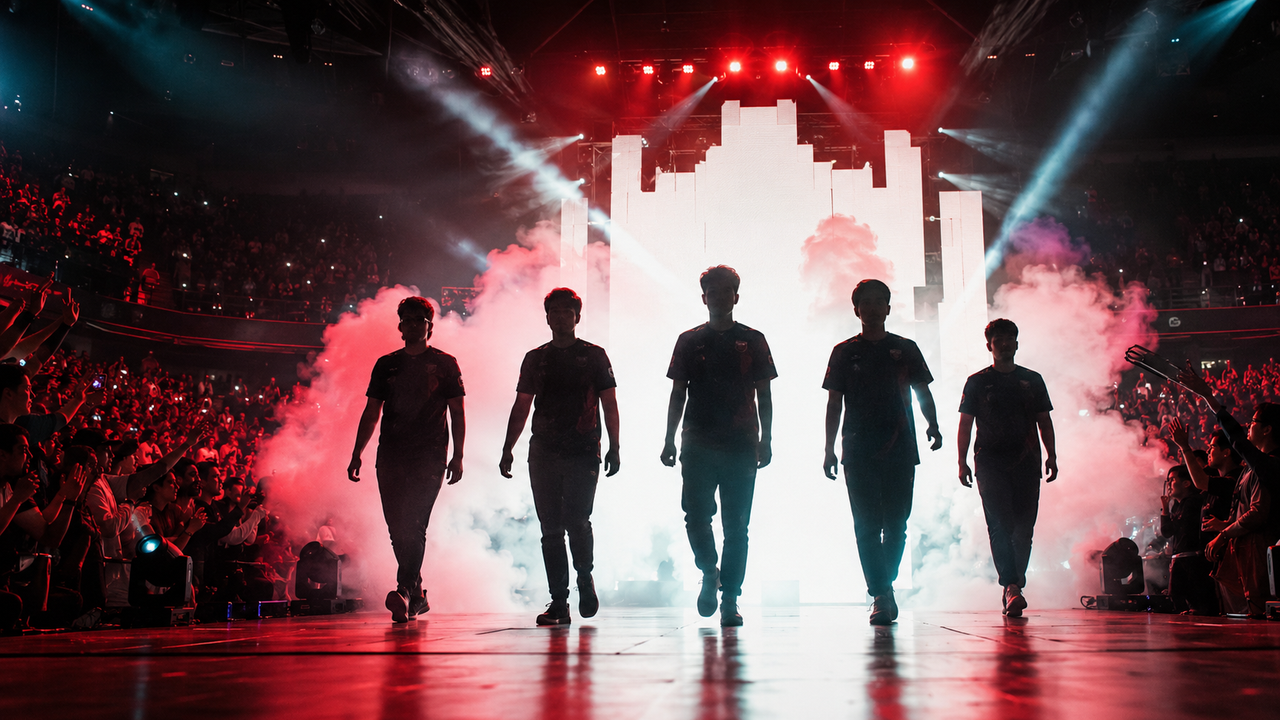
The region’s Champions record in recent cycles has been haunted by the semi-final ceiling — strong enough to eliminate top seeds but unable to close out finals against Americas firepower.
Breaking that ceiling in Shanghai will require at least one EMEA side to sustain a full week of elite-level performance without the map-veto safety net that protects teams in regular-season league play. The talent and preparation are there; the question is execution under the specific pressure of a Champions final.
Pacific’s Broader Push: More Than Just Paper Rex
It would be a disservice to Pacific’s overall competitive health to treat the region as Paper Rex plus supporting cast.
The Pacific league has steadily expanded its pool of Champions-capable organisations, and several of the teams qualifying alongside PRX enter Shanghai with legitimate top-eight ambitions rather than just participation goals.
The region benefits from a shared competitive culture that blends Korean tactical rigour — inherited from the years when Korean CS and early Valorant rosters set the strategic standard globally — with the fast-twitch mechanical expression that defines Southeast Asian play at its best.
Korean-heritage rosters within the Pacific bracket have historically brought some of the most disciplined mid-round calling in the game, and that discipline tends to show up most visibly in high-pressure single-elimination matches.
For Champions, where a single map loss in a best-of-three can end a tournament run in an afternoon, the ability to stay structured under pressure is at least as valuable as peak mechanical output.
Pacific’s qualified teams, taken together, represent a region that has thought seriously about how to win Champions rather than merely compete in it.
The regional VCT 2026 championship points standings and qualification picture shows just how competitive the Pacific bracket was en route to Shanghai, with several squads separated by fine margins across the season’s most decisive weekends.