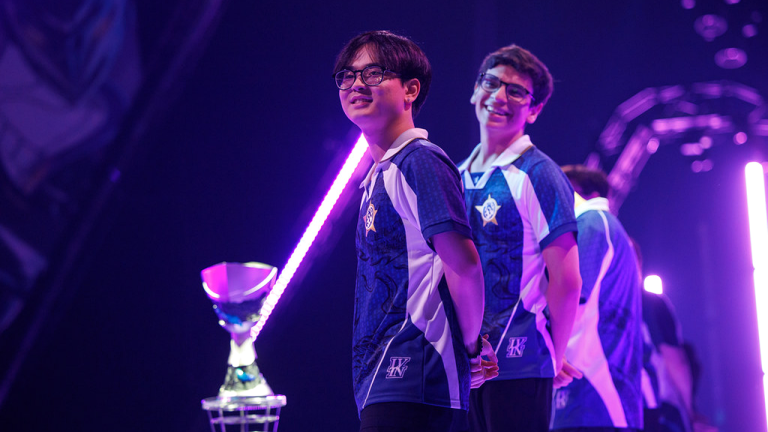
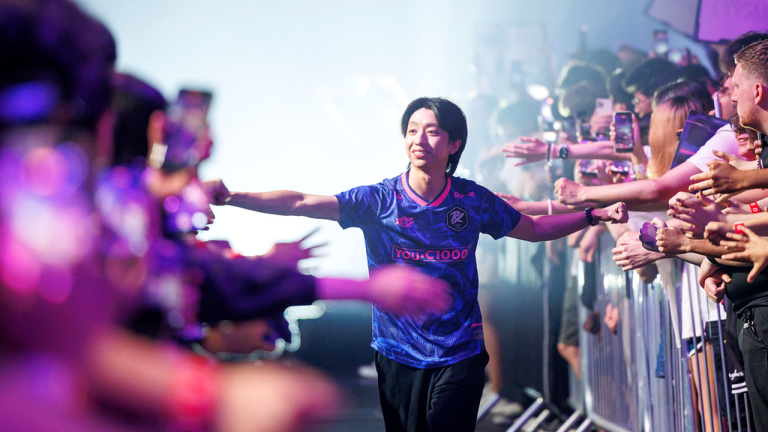
Team Vitality and NRG both survived their opening Group B tests, but their winner’s match asks a cleaner question: whose structure can keep working once the opponent has real tape from the first day?

Opening wins set up a better test
Vitality’s sweep of Karmine Corp gave them a tidy start. NRG’s three-map win over Paper Rex gave them a more stressful one. That difference should shape July 4. Vitality enter with cleaner emotional energy, while NRG enter with proof that they can fix a match while it is still moving.
The winner’s match is less about surprise and more about repeatability. Both teams now know the opponent has fresh data. Defaults that worked on day one will be challenged earlier. Defensive setups that looked hidden will be cleared more directly. The side that can change its second layer without losing identity should own the series.
Vitality’s map control is the first checkpoint
Vitality sweep Karmine Corp context showed a team comfortable denying the opponent’s first clean plan. Against NRG, they need to do that without becoming too scripted. NRG have enough mid-round comfort to punish defenders who repeat the same information pattern every gun round.
The key for Vitality is making NRG spend utility before the hit. If NRG reach the final thirty seconds with initiator tools and controller cover still intact, the round becomes much harder to read. Vitality need early pressure that costs NRG something, even when it does not create an immediate kill.
| Key point | Reading |
|---|---|
| Match | Team Vitality vs NRG in the Group B winner’s match. |
| Vitality start | Vitality swept Karmine Corp. |
| NRG start | NRG beat Paper Rex in three maps. |
| Main test | Second-layer adaptation after one day of fresh tape. |
NRG’s comeback habits can travel
NRG’s Paper Rex comeback matters because it showed emotional flexibility. Paper Rex force opponents into strange timings, and NRG still found answers across three maps. Vitality are more structured, which means NRG may get fewer chaotic openings but clearer information to build around.
The risk is that NRG start too slowly again. Against Vitality, a slow first map could become a veto disadvantage rather than a warm-up. The North American side must bring the adjustment speed from the Paper Rex match without needing a crisis to activate it.
What first place would mean
Winning Group B’s upper match gives the victor a calmer path and, just as important, protects the loser from becoming their immediate problem again. In a compact event, that can be the difference between preparing for the bracket and spending another night repairing the same mistakes.
The match should be judged by late-round quality. Both teams can win opening duels. The one that keeps post-plants clean, retakes layered and economy damage limited will look like not just a day-two story.
The first-place path rewards flexible structure
Vitality’s sweep and NRG’s comeback give the match a useful contrast, but both teams need the same thing now: flexible structure. A plan that only works when the first duel is won will not survive a winner’s match. The team that can lose information, fresh start spacing and still end the round with a layered hit will look far more bracket-ready.
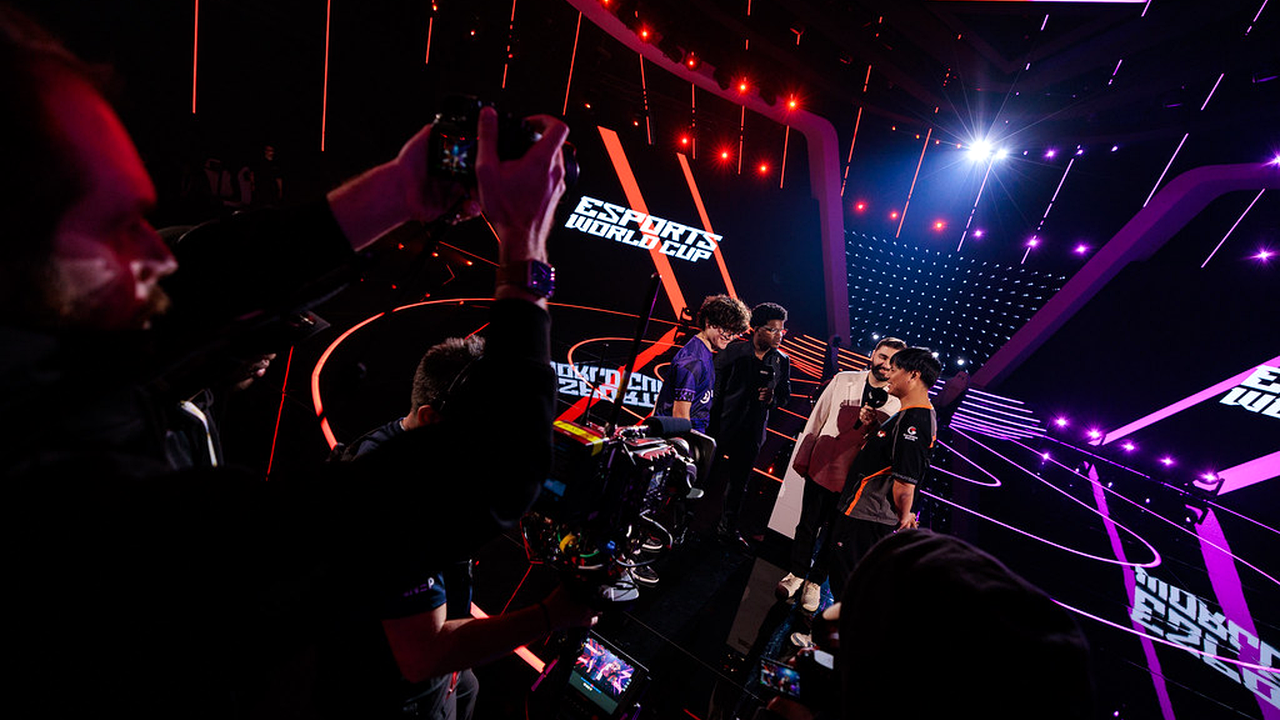
Vitality should test whether NRG’s recovery against Paper Rex was matchup-specific or transferable. Paper Rex create unusual problems; Vitality create cleaner ones. If NRG needed chaos to find their best rhythm, this series may feel slower and more suffocating.
NRG can answer by making the map less comfortable for Vitality’s first layer. Early utility pressure, denied orbs and late-contact fakes can make a structured team second-guess its rotations. The winner will be the side that makes adaptation look planned rather than improvised.
Post-plants are the clearest separator
The match may be decided after the spike goes down. Vitality and NRG both have enough structure to reach sites, but post-plant control separates a prepared team from a team that only executed the entry. Crossfires, utility delay and patience after the first tap can swing multiple gun rounds.
NRG’s comeback experience should help in those moments, but Vitality’s cleaner opener suggests they may be less likely to panic after losing a first duel. The team that makes post-plants feel repeatable will look closer to a playoff threat.