Masters London Proved It — Now Americas Must Deliver Again on the Biggest Stage of All
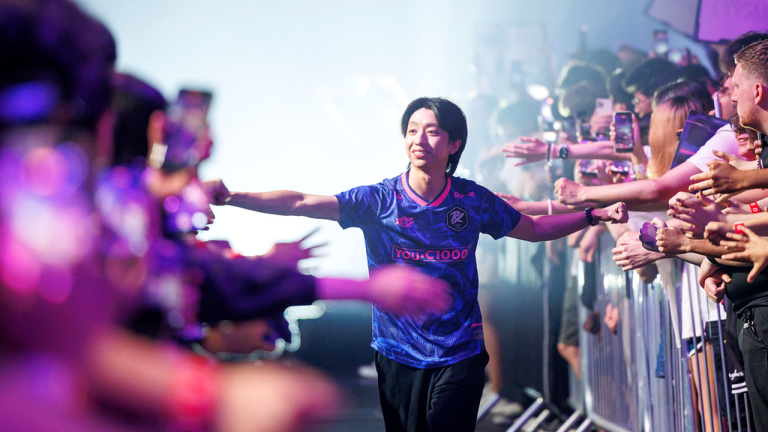
When Leviatan lifted the trophy at the Copper Box Arena earlier this month, completing a breathtaking 3-2 victory over Paper Rex in the grand final, it was more than just a title for one organisation. It was a statement from an entire region.
Americas had been building toward this kind of dominant moment, and in London they delivered it with style, carrying an Argentine MVP — Neon — through one of the most fiercely contested Masters fields in recent memory.
The question now is whether the region’s squads can sustain that level of excellence when the global spotlight moves to Shanghai for Valorant Champions 2026.
Champions 2026 runs from 24 September to 18 October in Shanghai, bringing together 16 teams and a prize pool of $2.25 million — the richest and most prestigious competition in the Valorant calendar.
Americas will arrive in China not as underdogs hoping for a breakthrough, but as the form region of the season.
That changes everything about how they will be perceived, prepared against, and ultimately judged. The margin for error shrinks when every opponent has already circled you as the team to beat.
The Masters London Blueprint: What Leviatan Did Right
Leviatan’s triumph in London was built on tactical flexibility and individual brilliance working in harmony.
Across the tournament they showed the ability to adapt mid-series, to absorb pressure on the defensive side and convert it into explosive attacking sequences that opponents simply could not read in time.
The 3-2 scoreline against Paper Rex in the final does not fully communicate just how composed Leviatan looked in the decisive moments — the kind of composure that separates good teams from genuinely great ones.
The MVP award for Neon — a performance that electrified the Copper Box Arena across multiple maps — underlined that Leviatan’s strength is not a one-player story.
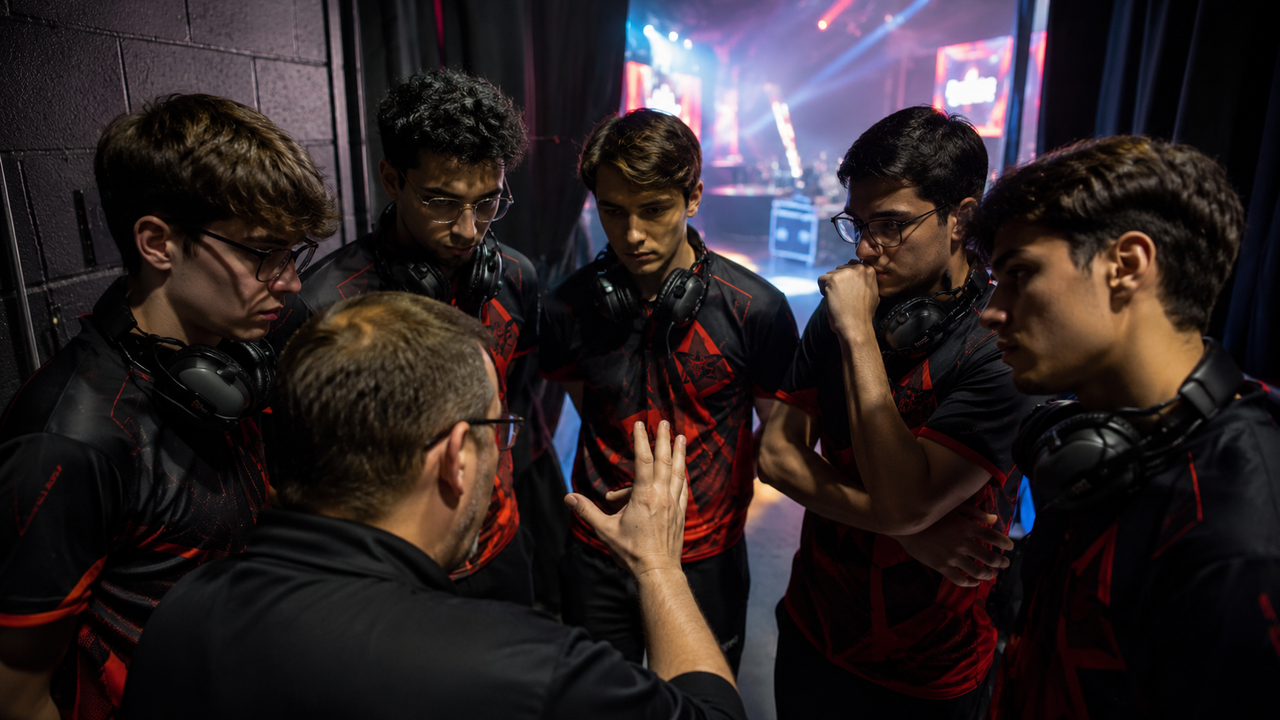
It is a roster where roles are clearly defined, individual ceilings are high, and the coaching structure provides the tactical architecture for stars to operate within.
That combination of structure and freedom is notoriously difficult for opponents to prepare a counter-strategy against, because adjusting to stop one element often exposes another.
For the wider Americas region, Leviatan’s London run provides a psychological and tactical template. Other Americas squads can draw genuine confidence from watching one of their own dismantle international competition at the highest level.
Success breeds belief, and belief at Champions — where the mental load of the event itself can derail even technically superior teams — is worth more than any individual statistic.
Americas Representation at Champions 2026 Shanghai
The Americas region will send multiple qualified squads to Shanghai, with places earned through the VCT 2026 Championship Points standings accumulated across the Pacific and Americas leagues over the course of the season.
Leviatan head into Champions as the region’s standard-bearers by virtue of their Masters London title, which will have contributed substantially to their points total and confirmed their status at the very top of the international pecking order heading into the off-season preparation window.
The exact final composition of the 16-team field will be confirmed as the remaining qualification pathways close, but Americas typically secures four to five berths at Champions, reflecting the region’s depth across its league ecosystem.
For a full breakdown of who has already punched their ticket and where the qualification standings currently sit, the VCT 2026 Championship Points standings tracker has the most up-to-date picture of the confirmed roster of teams heading to Shanghai.
What matters as much as the number of teams is the quality and variety of styles those teams represent.
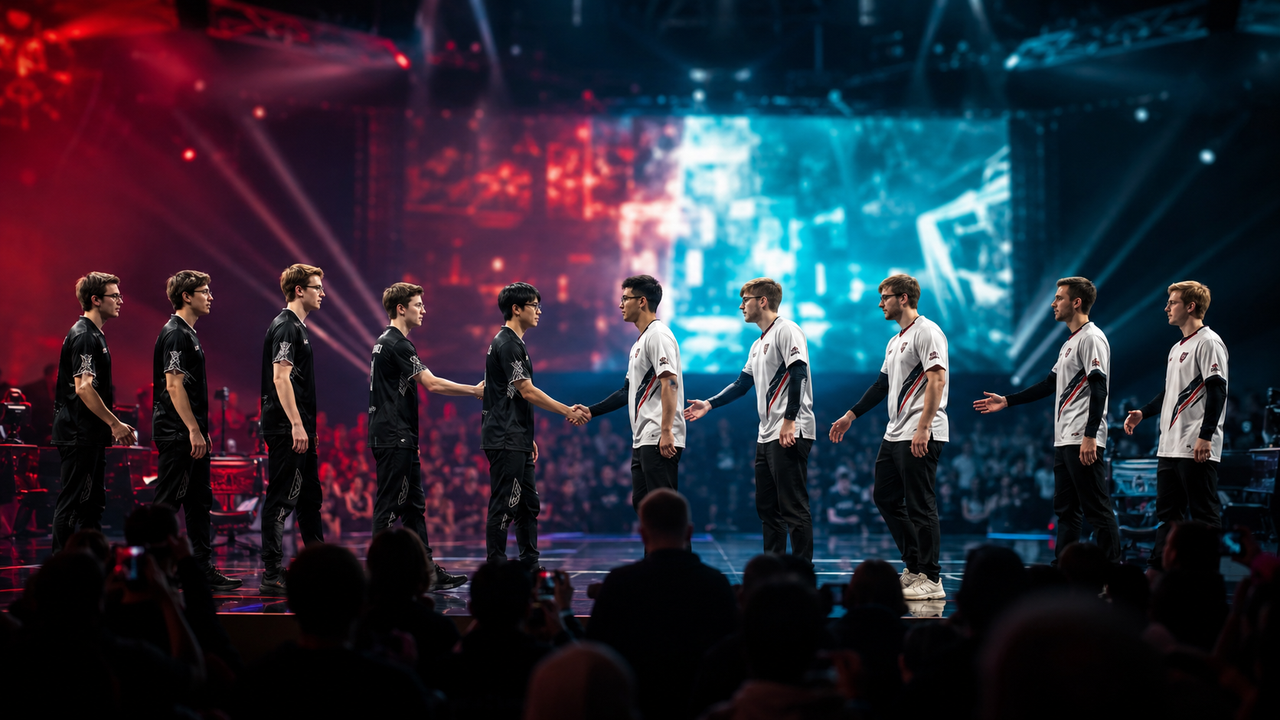
Americas has never been a single-minded region; its squads have historically brought contrasting approaches — aggressive entry-fragging structures, utility-heavy methodological play, and hybrid systems that shift shape depending on the map pool.
That variety within the region makes it genuinely difficult for Pacific or EMEA opponents to prepare for an Americas squad without relearning their preparations match by match.
The Threat From Other Regions — and Why It Is Real
Being the form region carries a cost, and it is not a trivial one. Paper Rex — the team Leviatan defeated in the Masters final — showed across that entire event that Pacific is not simply rolling over and conceding ground.
Their route to the grand final demonstrated resilience, creative stratagem, and an attacking identity that remains among the most dangerous in the world when it clicks. Paper Rex’s path back to contention at Champions makes them a team Americas cannot afford to overlook in Shanghai.
EMEA, meanwhile, has historically found ways to peak at Champions even when the mid-season results have not always reflected their ceiling.
European and Middle Eastern squads tend to be meticulous in their preparation cycles for the year-end event, and they will have spent the weeks since Masters London dissecting Leviatan’s game film with the sole objective of identifying and exploiting any repeatable patterns.
Americas teams should expect to face opponents who arrive in Shanghai with highly specific counter-preparations built around their London performances.
The physical and logistical demands of competing in Shanghai also represent a genuine variable.
Time zone adjustments, travel schedules, and the pressure of a Chinese crowd responding to teams they may have been following all season can affect performance in ways that are hard to simulate in practice.
Americas teams have experience on international stages, but Champions in Asia has its own particular atmosphere and rhythm that every squad will need to calibrate to quickly.