Champions in the Making — Or Another Masters Nearly-Story? The Pressure on Leviatan Begins Now
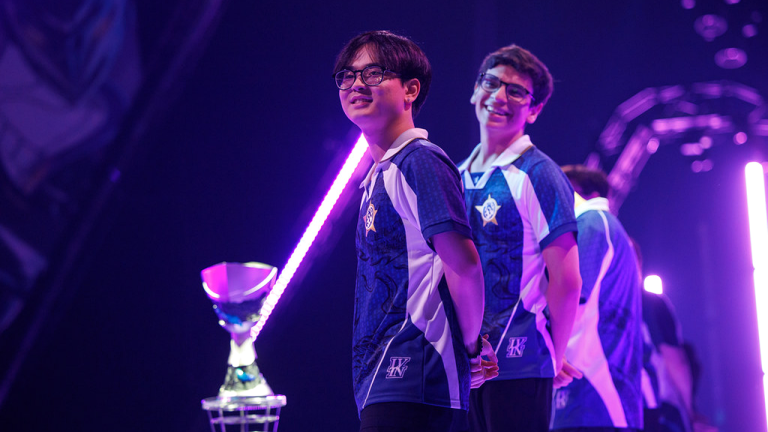
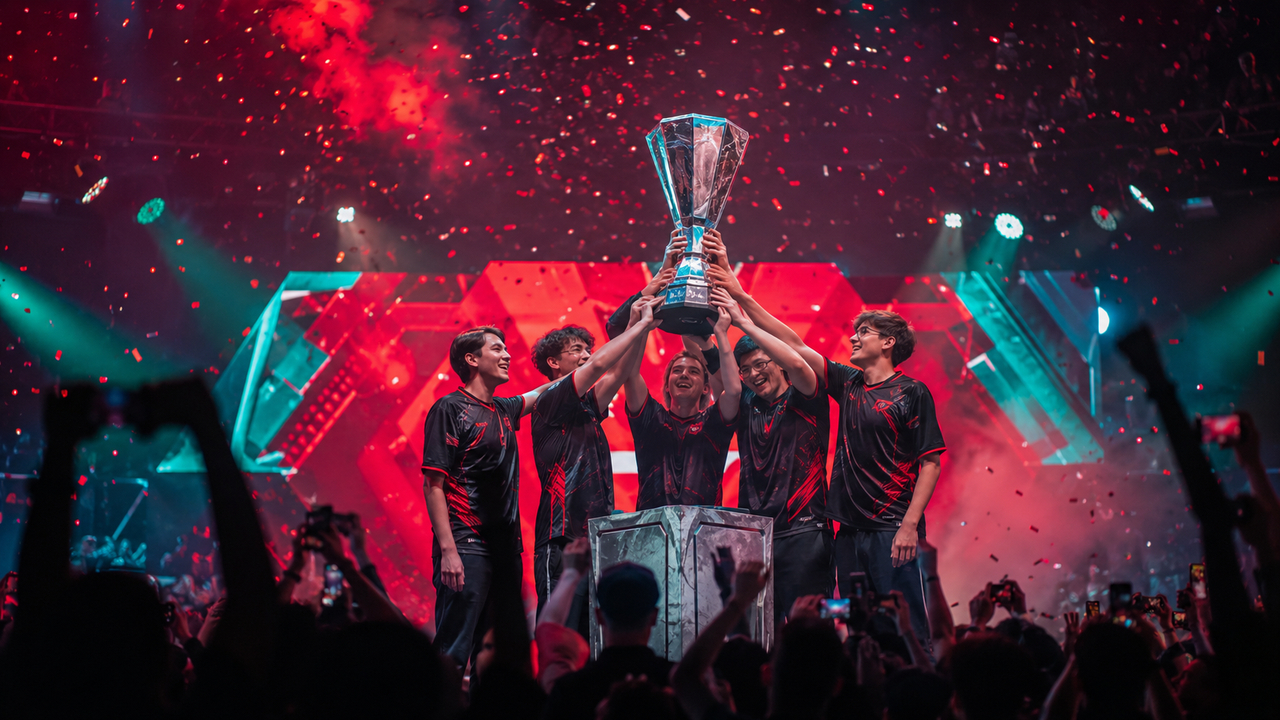
When the final round was fired on the Copper Box Arena stage and Leviatan hoisted the VCT Masters London 2026 trophy, the screams from the Argentine faithful in the crowd said everything.
A 3-2 triumph over Paper Rex in a grand final that stretched nerves to breaking point was proof that this roster belongs among the elite of global Valorant.
Neon, crowned tournament MVP, had embodied the fearless, attacking spirit that defines this squad at its very best.
But the confetti had barely settled before the hard truth of competitive Valorant reasserted itself: winning Masters has never guaranteed winning Champions.
The summer gap between London and Shanghai is both a gift and a trap, and how Leviatan navigate those weeks before Valorant Champions 2026 kicks off on 24 September could determine whether this team is remembered as a tournament curiosity or a dynasty in the making.
History’s Warning: The Masters-to-Champions Curse
The VCT calendar has a habit of punishing teams who peak too early.
Across the history of the international circuit, Masters winners have frequently arrived at Champions either fatigued, over-scouted, or simply unable to replicate their peak form across a longer, more gruelling format.
Opponents study you obsessively during the gap; your own tendencies, your agent compositions, your economy patterns — all of it becomes curriculum for coaching staffs around the world.
The problem is structural. A Masters victory generates momentum, media attention, and — crucially — exhaustion.
The grind through the event, the pressure of a best-of-five grand final, the emotional release of victory: these take a toll that sports science can measure but no trophy case can hide.

Recovery, physical and psychological, is not a luxury; it is a prerequisite for performing on the next global stage.
Leviatan must absorb this lesson rather than become its latest illustration. The Argentine roster has the talent to win Champions — that much is beyond debate after London — but talent without deliberate preparation is squandered capital.
The question is whether the organisation and coaching staff around them have the infrastructure to protect and channel this group across a three-month runway.
The Scouting Problem: Now Everyone Has Footage
Winning Masters London comes with an uncomfortable side-effect: Leviatan are now the most watched, most dissected team in Valorant.
Every team that will appear at Champions 2026 in Shanghai — all sixteen of them, representing the global elite — has access to every single round of their London campaign.
Analysts will have catalogued every default plant, every retake timing, every Neon movement pattern and every tactical wrinkle the Argentine side deployed across what was a full week of competitive play.
This is not a counsel of despair but a call to evolution. Leviatan’s coaching staff must use the summer period to expand the team’s playbook rather than simply polish what already works.
New agent compositions, alternative map approaches, and strategies that keep opponents guessing will be essential. A team that arrives in Shanghai playing the same Valorant that won London is a team that has handed its rivals a detailed instruction manual.
Neon’s MVP performance was built on calculated aggression and mechanical excellence, but it was also built on opponents who had limited time to adjust within the tournament’s bracket structure.
By September, that adjustment window will have been three months long. The response cannot be to play harder — it must be to play differently, at least in part, forcing rivals back to the drawing board during Shanghai itself.
Managing the Summer Gap: Rest, Ranked, and Refinement
The roughly three-month break between Masters London and Champions Shanghai presents a specific challenge that the top organisations in esports have increasingly learned to manage with the same rigour as traditional sports franchises.
For Leviatan, the ideal approach sits across three phases: genuine rest and recovery first, structured ranked and scrimmage activity through the middle weeks, and a final sharpening block in the last fortnight before Shanghai.
The first phase matters more than teams typically admit publicly. Players who push through fatigue into unstructured ranked play during what should be a reset period often arrive at the next major event carrying accumulated stress rather than having shed it.
Leviatan’s players — many of whom will return to Argentina before the Shanghai build-up — need time away from structured competition to allow motivation to re-ignite naturally rather than to burn at a diminishing rate.
The scrimmage and refinement phase is where the coaching staff earns its keep. Opponents at Champions will have evolved, and Leviatan must evolve with them.
Finding scrimmage partners of sufficient quality during the off-period is itself a competitive advantage: teams with access to strong practice opponents arrive sharper than those who have been grinding in isolation.
The organisation’s relationships across the international circuit will matter here as much as anything that happens on server.