A rookie carries the MVP trophy out of London
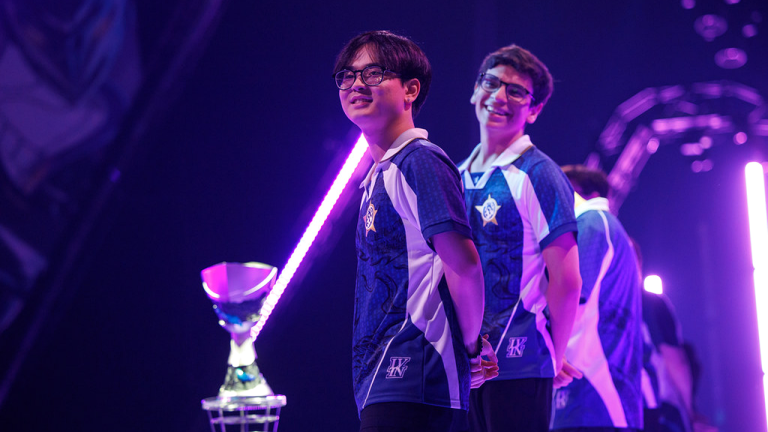
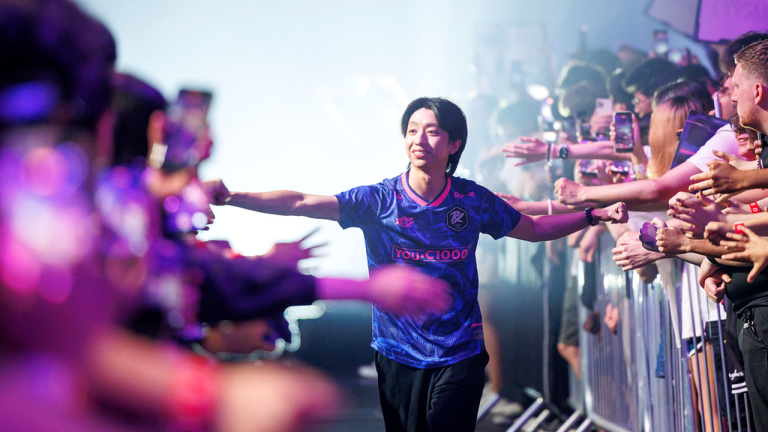
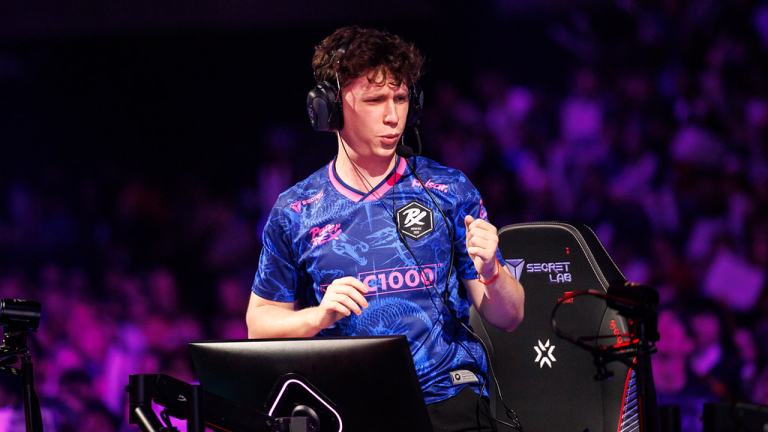
The defining individual story of Masters London 2026 did not belong to a household name. It belonged to Neon, an academy promotion playing his first major international tournament for LEVIATAN, who walked away with the Finals MVP award. For a player whose route to the main roster ran through the academy system rather than a marquee transfer, lifting the event’s top individual honour is the kind of breakout moment that reshapes a career in a single week.
Neon’s case was built on consistency that held up against the best in the world. He finished the event with a 1.21 match rating, the fourth-highest figure across the entire tournament, and he was the second-most productive opener in the field at 0.18 first kills per round. Those are not the numbers of a player being carried by his teammates. They are the numbers of someone repeatedly winning the opening duels that set the tempo for everything that follows.
What an academy promotion winning MVP actually signals
Valorant’s tier-two and academy pipelines are designed to surface exactly this kind of talent, but it is rare for a graduate to arrive and immediately outperform established stars on the sport’s biggest stage. Neon doing it at Masters London validates LEVIATAN’s decision to build around youth, and it sends a message to every academy player watching: the gap between development rosters and the main stage can be closed in months, not years, when the talent is real.
The recognition also rewards a specific style. First-kill impact is high-risk by nature, and a rookie leaning into that role under international pressure could easily have unravelled. Instead, Neon’s aggression scaled up rather than down as the stakes rose, which is precisely why the MVP conversation landed on him rather than on a more familiar name.
LEVIATAN’s young core, anchored by a veteran voice
Neon did not win this alone, and LEVIATAN’s roster construction was a story in itself. The team paired a cluster of young players with veteran in-game leader kiNgg, whose calling gave the inexperienced core a structure to play inside. That balance between fearless youth and a steadying tactical hand is a familiar recipe in competitive Valorant, but few teams executed it as cleanly across a full event as LEVIATAN did in London.
The grand final showcased how deep the contributions ran. Sato turned in a standout map on Split, finishing 13-6, while blowz delivered on Lotus. Those individual map performances mattered because they meant the burden never fell entirely on one player. When a young roster can produce different heroes on different maps, opponents lose the ability to game-plan around a single threat.
- Neon — Finals MVP, 1.21 match rating (4th overall), 0.18 first kills per round (2nd highest)
- kiNgg — veteran in-game leader anchoring the young core
- Sato — 13-6 on Split in the grand final
- blowz — key contributor on Lotus in the grand final
spikeziN closes the show
If Neon was the tournament-long constant, spikeziN was the player who shone brightest when the maps were on the line. In the grand final he posted 19 first kills and a 213 ACS, the kind of closing performance that decides series. Across the whole of Masters London he led every player in the event with 383 total kills, a raw-output figure that underlines how often he was the one finishing rounds.
The interplay between the two is the heart of LEVIATAN’s run. Neon opened the door with early picks and his overall rating, and spikeziN walked through it on the maps that mattered most. A team that can split its opening impact and its closing firepower across two players is far harder to shut down than one built around a single carry.
The wider individual leaderboard

Masters London produced standout numbers beyond the LEVIATAN camp. The tournament-high ACS belonged to FULL SENSE’s Papaphat ‘primmie’ Sriprapha, who topped the field at 277 — a reminder that the event’s best pure fragging line did not come from the eventual MVP’s team. That distinction matters: Neon’s award reflected all-round value and opening impact rather than the single loudest statistic, while primmie owned the headline efficiency figure.
| Player | Team | Standout metric |
|---|---|---|
| Neon | LEVIATAN | Finals MVP, 1.21 rating |
| spikeziN | LEVIATAN | 383 kills (event-leading) |
| primmie | FULL SENSE | 277 ACS (event-high) |
Reading those lines together explains why the MVP debate had real texture. spikeziN carried the highest kill volume and the most decisive grand-final stat line, primmie carried the best average combat score, and Neon carried the most complete season-defining package of rating and opening impact. The voters landed on the rookie, and the supporting numbers make the choice defensible.
Where this fits in the bigger picture
LEVIATAN’s path through the bracket turned the event into a genuine test of the Americas region’s depth, a thread explored in our look at how Leviatan’s run turned London into an Americas stress test. The final itself became a reference point for the broader competitive map, as covered in our piece on how the Masters London final became a Pacific-Americas reference point. The tactical layer behind the decider, including the map-pool chess match, is broken down in our preview of the map-pool puzzle Paper Rex and Leviatan brought into the final.
For now, the takeaway is simple. A player promoted from academy arrived at Masters London, out-rated nearly the entire field, won the opening duels at a rate almost no one matched, and left with the MVP trophy. Around him, a young LEVIATAN roster proved it could win on multiple maps and through multiple heroes, with spikeziN’s closing power and kiNgg’s leadership turning raw potential into a championship-calibre run.