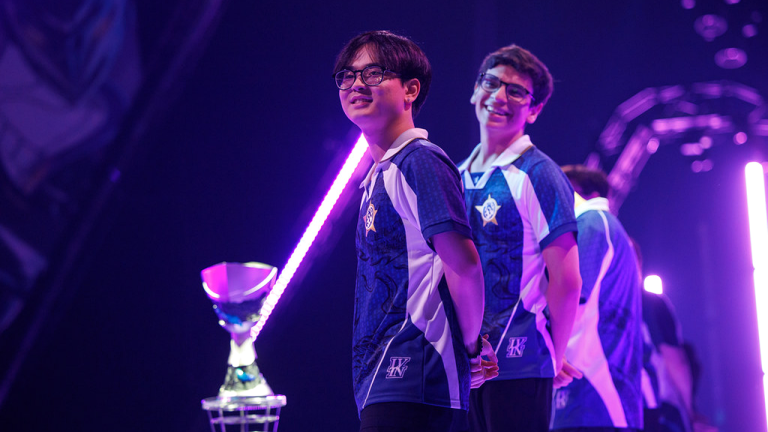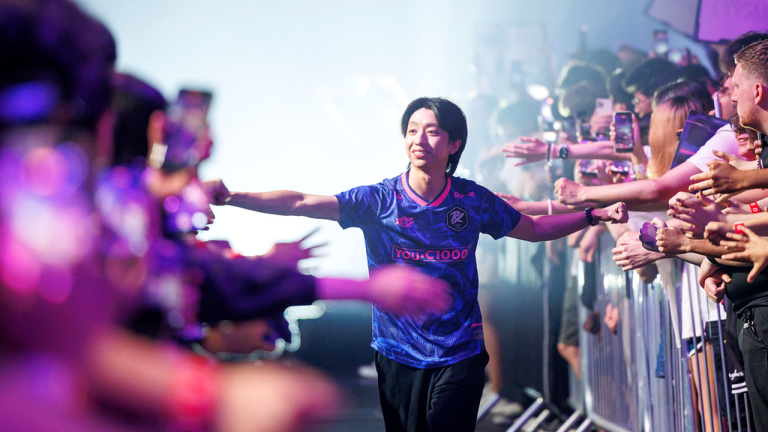
The Masters London break day is not empty time. For the remaining teams, it is the last quiet window to repair veto plans, review habits and decide which details are worth changing before the final stretch.
What teams can actually fix
A break day does not allow a full rebuild. Teams cannot suddenly become a different roster overnight. What they can do is clean up the specific problems that have already appeared on stage.
That means reviewing first-contact deaths, checking whether timeouts arrived too late and deciding which maps still have enough trust to stay in the veto plan. Those are small details, but at this stage small details decide series.
The best teams use the pause to simplify. They remove one bad habit, protect one strong default and make sure every player knows the first three calls for the next map.
| Area | Detail |
|---|---|
| Main pressure | turning one quiet day into better veto and timeout decisions |
| Best route | fix the clearest repeated mistake instead of chasing a full reset |
| Danger area | overloading players with too many changes before the next match |
| Next check | whether the first map after the break looks calmer or more confused |
Why preparation can swing the bracket
The break matters because the bracket is now transparent. Every remaining opponent has stage footage, economy patterns and timeout history to study. Surprise is harder to find, so discipline becomes more valuable.

A team that uses the day well can enter the next match with a sharper veto, a cleaner pistol plan and a better answer for the opponent’s favorite opening move. A team that uses it poorly can arrive with too many ideas and no single priority.
That is the balance coaches have to protect. Preparation should reduce panic, not add a new layer of hesitation. The players need enough changes to feel ready and enough familiarity to play naturally.
The detail fans should track
The first timeout after the break will say a lot. If the team already knows what is wrong and changes the round shape immediately, the review day probably worked. If the timeout only repeats the same plan, the break may have been too passive.
Masters London is now close enough to the title that every pause has value. The break day will not win the event by itself, but it can decide which team reaches the next pressure point with a cleaner head.
The veto meeting matters most
The most important meeting on a break day is often the veto meeting. Teams have to decide which map is still trustworthy, which map only looked good because of one opponent and which map creates too many uncomfortable opening duels.
That decision cannot be emotional. A team may love a map, but if the opponent has a clear counter and the recent rounds show repeated problems, the staff have to decide whether comfort is worth the risk.
The opposite is also true. A map that produced one ugly loss may still be the correct pick if the mistakes are easy to identify. The break day gives coaches time to separate structural problems from execution problems.
How players use the pause
For players, the day is partly mental. The final stretch creates a strange rhythm: there is enough time to think, but not enough time to rebuild. That can help a team reset, or it can make small mistakes feel larger than they are.
The best use of the pause is narrowing the focus. A duelist may need one clearer entry rule. A controller may need one cleaner smoke timing. A sentinel may need one stronger anti-flank habit. These are the fixes that can survive pressure.
Trying to solve everything at once is the trap. Teams that overload the plan can arrive with more information but less freedom. The players then hesitate because every situation has three new instructions attached to it.
The break day should make the next match simpler. If it does, the first map after the pause will show cleaner trade spacing, faster timeout decisions and fewer rounds where players look unsure about the same call. That is where preparation becomes a competitive edge rather than just extra study time.